
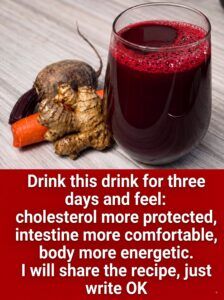
Beetroot is a simple, affordable, and very nutritious food. Its intense color is eye-catching, but it’s its composition—with fiber, folate, potassium, antioxidants, and natural nitrates—that makes it an interesting option for a balanced diet.
In recent years, beetroot juice has also gained popularity among people seeking to support their energy levels and cardiovascular health through diet. This doesn’t mean that a drink can “cure” circulation problems, cholesterol issues, or joint pain. However, when consumed in moderation and combined with good habits, beetroot can contribute to a healthier routine.
How about trying a simple recipe for a few weeks and seeing how your body responds?
🌱 What makes beetroot so interesting?
Among the most studied components of beetroot are natural nitrates . In the body, some of these compounds participate in the formation of nitric oxide, a molecule related to the relaxation of blood vessels and the regulation of blood flow.
Beetroot also provides:
- Folate (vitamin B9);
- Potassium;
- Manganese;
- Fibers;
- Vitamin C in small amounts;
- Antioxidant pigments called betalains .
Therefore, it can be part of a diet focused on cardiovascular health and overall well-being.
⚡ 1. It can support energy levels during physical activities.
Feeling energetic throughout the day depends on many factors: diet, sleep, hydration, physical fitness, and overall health.
In this context, beetroot juice became especially well-known in the sports world due to its nitrate content.
These compounds can improve the body’s efficiency during certain types of exercise. For this reason, some people consume the drink before walking, cycling, or engaging in other physical activities.
However, don’t expect an effect similar to that of a stimulant drink. Beetroot does not contain caffeine, and its potential benefits are part of a broader nutritional process.
❤️ 2. An ally for a heart-healthy diet
Heart health doesn’t depend on a single food.
Nevertheless, including vegetables, fruits, legumes, and minimally processed foods in the diet is one of the most important strategies for taking care of the cardiovascular system.
The nitrates present in beetroot can contribute to the production of nitric oxide, helping in the normal function of blood vessels.
Therefore, as part of a healthy routine, beetroot can contribute to:
- A diet that promotes circulation;
- Adequate intake of antioxidants;
- Greater variety of vegetables;
- Nutritional support for cardiovascular health.
If you have hypertension or use medication to control your blood pressure, you should discuss the frequent consumption of large amounts of beetroot juice with your healthcare professional.
🌿 3. And what about the joints?
It’s common to find claims on social media that natural juices “eliminate” inflammation or quickly heal joints. These promises should be viewed with caution.
Beetroot contains betalains, pigments with antioxidant properties that have been studied by science. This makes it an interesting food within a diet rich in vegetables.
However, to take care of your joints, a combination of habits is much more important:
- Stay physically active;
- Strengthen the muscles;
- Have a varied diet;
- Getting enough sleep;
- Maintain a weight that is appropriate for your reality;
- Seek medical evaluation if you experience persistent pain or swelling.
The drink can complement these habits, but it does not replace treatments for arthritis, osteoarthritis, or other joint diseases.
🩸 4. Beetroot and blood circulation
This is probably one of the reasons why beetroot juice has received so much attention.
Nitric oxide plays a role in controlling blood vessel tone. Since dietary nitrates from beetroot can contribute to its formation, the vegetable is being studied for its potential effects on circulation and physical performance.
Good circulation, in turn, is essential for transporting oxygen and nutrients to the tissues.
But remember: persistent circulatory problems should not be treated solely with homemade drinks.
🧠 5. It can be part of a healthy diet for the brain.
The brain constantly depends on oxygen, glucose, and other nutrients.
Vegetables rich in antioxidants and bioactive compounds can be part of a dietary pattern that is beneficial for brain health throughout life.
This does not mean that beetroot juice will immediately improve memory or prevent neurological diseases.
To protect brain health, continue to prioritize physical activity, adequate sleep, blood pressure control, a balanced diet, social interaction, and medical follow-up when necessary.
🥤 Beetroot, Apple, Ginger and Lemon Juice Recipe
A refreshing and easy-to-prepare combination.
Ingredients
- 1 small or medium beet;
- 1 apple;
- 1 small piece of fresh ginger;
- Juice of ½ lemon;
- 200 to 300 ml of water;
- Ice, if desired.
How to prepare
- Wash all ingredients thoroughly.
- Peel the beetroot if necessary and cut it into small pieces.
- Cut the apple and remove the seeds.
- Place the beetroot, apple, ginger, and water in the blender.
- Beat until you obtain a smooth mixture.
- Add the lemon at the end.
- If you prefer to preserve more fiber, don’t strain it .
- Consume fresh.
There’s no need to add sugar. The apple itself already provides a naturally sweet flavor.
⏰ What’s the best time?
There is no mandatory schedule.
You can drink it at breakfast, with a meal, or at another time that is comfortable for your digestion.
Those who exercise regularly may also enjoy including it before their workout, but the ideal amount and timing vary from person to person.
More important than taking it exactly in the morning or for 30 days is maintaining a balanced diet over time.
✨ 6. Does beetroot detoxify?
It’s worth clarifying a common myth here.
The body already has highly efficient systems for processing and eliminating substances, primarily through the liver, kidneys, intestines, and lungs .
No juice needs to “cleanse the toxins” from these organs.
What beetroot can do is provide nutrients and antioxidants within a diet that helps maintain the normal functioning of the body.
In other words: instead of thinking about “detox,” think about nutrition .
🏃 7. This can be beneficial before or after physical activity.
Beetroot is extensively studied in the context of sports.
Depending on the person and the type of exercise, their nitrates can contribute to aspects of physical performance.
After exercise, however, the body also needs other nutrients. Proteins, carbohydrates, fluids, and electrolytes can be important for proper recovery.
Therefore, don’t rely solely on the juice.
🌱 What to expect after 30 days?
There is no guaranteed transformation in 30 days.
Some people may find they have more energy simply because they’ve improved their diet, drunk more fluids, or replaced sugary drinks with less processed options.
Others may not notice any obvious difference.
The most useful thing to do is to observe aspects such as:
- How is your daily mood?
- How is your digestion?
- If your diet has become more varied;
- How do you feel during exercise?
- If the drink is pleasant and easy to incorporate into a routine.
And don’t stop taking your medication just because you’ve started consuming beetroot or any other natural remedy.
⚠️ Who needs more attention?
For most people, beetroot in food-grade quantities is usually well tolerated. However, some precautions are important.
The vegetable contains oxalates , so people with a history of certain types of kidney stones may need to moderate their consumption.
Since beetroot juice can also influence blood pressure, people who have naturally low blood pressure or who use antihypertensive medications should talk to a healthcare professional before consuming large quantities daily.
Those who need to strictly control their carbohydrate intake should also consider that juices more easily concentrate natural sugars than consuming the whole vegetable.
And don’t be alarmed if your urine or stool takes on a pinkish or reddish hue after eating beets. This can happen to some people.
Seek medical attention if you experience true blood in your urine or stool, severe pain, persistent dizziness, or other concerning symptoms.
💡 How to make the most of the recipe
There’s no need to turn drinking into a rigid ritual. It works best as part of sustainable habits.
Try combining your consumption with:
- A diet rich in vegetables and whole foods;
- Adequate sources of protein;
- Lower consumption of ultra-processed foods;
- Regular physical activity;
- Good hydration;
- Sufficient sleep;
- Monitoring of blood pressure, cholesterol, and glucose levels when indicated.
These attitudes have a much greater impact than relying on any single ingredient in isolation.
🍹 Why have natural drinks become so popular?
Homemade recipes are appealing because they are practical and allow you to combine various nutritious foods in just a few minutes.
The secret is not to turn them into “miracle cures”.
Beetroot juice can be tasty, nutritious, and convenient — and that’s already an excellent reason to include it in your diet occasionally.
Whenever possible, retain some of the fiber in the recipe by avoiding straining the drink.
❤️ Conclusion
Beetroot deserves a place in a balanced diet. Its natural nitrates, fiber, vitamins, minerals, and antioxidants make it an interesting food for those seeking to take care of their cardiovascular health and maintain a nutritious routine.
Trying beetroot juice for a few weeks can be a simple way to add more vegetables to your diet. Just don’t expect miraculous results or believe that 30 days can correct high cholesterol, joint problems, or cardiovascular disease.
Use this recipe as a complement to healthy habits — not as a substitute for professional guidance or prescribed treatments.
Sometimes, positive change truly begins with something small: a nutritious glass of water, a walk, a good night’s sleep, and making better choices repeatedly every day. ❤️🥤
Informative and educational content. It does not replace diagnosis, treatment, or individual guidance from a doctor or nutritionist.


