
Chayote is a light, refreshing vegetable that is often overlooked despite its impressive nutritional profile. With a mild flavor, high water content, fiber, vitamins, minerals, and plant compounds, chayote can be an easy addition to a balanced diet.
Also known as vegetable pear or mirliton, chayote is commonly used in soups, stir-fries, salads, and vegetable dishes.
But what makes this humble green vegetable worth adding to your meals?
From supporting digestion and hydration to providing important nutrients for heart health, here are 10 potential health benefits of chayote.
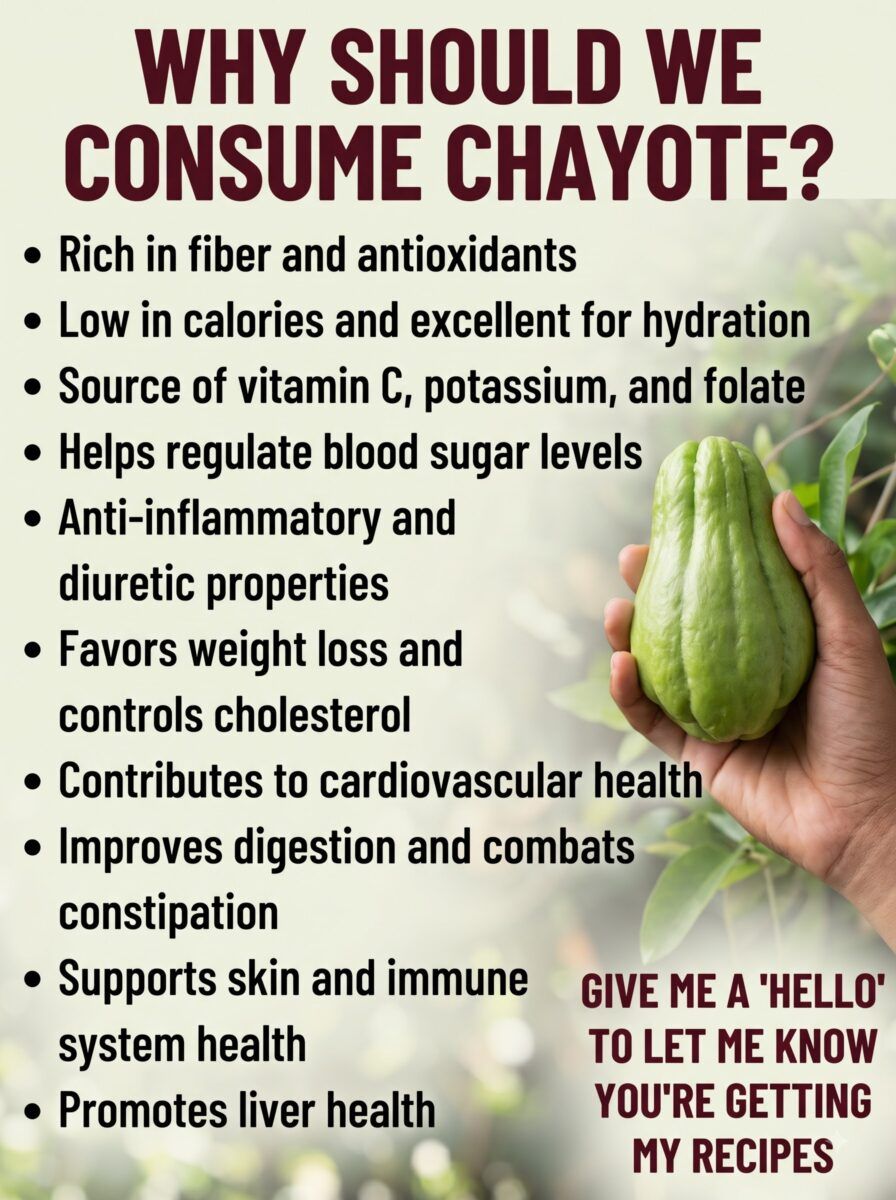
1. Chayote Is Rich in Fiber
One of the main reasons to include chayote in your diet is its dietary fiber content.
Fiber plays an important role in digestive health. It can help add bulk to stool and support regular bowel movements, making fiber-rich vegetables useful for people who want to maintain a healthy digestive system.
A diet containing enough fiber may also help you feel full after meals, which can be useful when managing overall calorie intake.
For a simple meal, try adding cooked chayote to vegetable soup or combining it with other fiber-rich vegetables.
2. It Is Naturally Low in Calories
Chayote is a relatively low-calorie vegetable with a high water content.
This makes it a convenient choice for people who want to add more volume and nutrients to meals without adding a large number of calories.
Instead of relying on calorie-dense side dishes, you can serve steamed, roasted, or stir-fried chayote alongside lean protein and whole grains.
However, healthy weight management depends on your overall eating pattern and lifestyle rather than one particular food.
3. Chayote Provides Vitamin C
Chayote contains vitamin C, an essential nutrient involved in normal immune function and collagen production.
Vitamin C also acts as an antioxidant, helping protect cells from oxidative stress.
Adding different fruits and vegetables to your diet is a practical way to obtain vitamin C and other beneficial plant nutrients.
4. A Source of Potassium and Folate
Chayote provides several micronutrients, including potassium and folate.
Potassium is important for normal muscle and nerve function and contributes to maintaining healthy blood pressure.
Folate, also known as vitamin B9, is involved in DNA synthesis and normal cell division.
Eating a variety of vegetables, legumes, fruits, whole grains, and other nutrient-dense foods can help provide these nutrients as part of a balanced diet.
5. May Support Healthy Blood Sugar Management
Chayote is relatively low in calories and provides dietary fiber, making it a useful vegetable for a balanced eating pattern.
Fiber can slow digestion and may help reduce rapid increases in blood glucose after meals compared with many refined, low-fiber foods.
However, chayote should not be considered a treatment for diabetes.
If you have diabetes or take medication that affects blood sugar, continue following your healthcare professional’s recommendations.
6. May Support Heart Health
A diet rich in vegetables, fruits, legumes, whole grains, nuts, and other minimally processed foods is associated with better cardiovascular health.
Chayote can fit easily into this type of eating pattern because it provides fiber, potassium, vitamin C, and other nutrients while being relatively low in calories.
Rather than looking for one food that can “clean your arteries,” it is better to focus on your overall dietary pattern, physical activity, blood pressure, cholesterol levels, and other cardiovascular risk factors.
7. May Help Support Healthy Digestion
The combination of water and dietary fiber makes chayote a useful addition to meals for people looking to increase their intake of plant foods.
Adequate dietary fiber can support regular bowel movements and overall digestive health.
If your current diet is low in fiber, increase your intake gradually and drink enough fluids to help your digestive system adjust.
8. Contains Antioxidant Plant Compounds
Chayote contains vitamin C and various plant compounds with antioxidant properties.
Antioxidants help protect cells from oxidative stress, which is a natural process that occurs in the body.
Eating a wide variety of colorful vegetables and fruits is generally a better strategy than focusing on one “superfood.”
Try combining chayote with tomatoes, carrots, leafy greens, peppers, onions, or other vegetables for a more diverse nutrient profile.
9. May Complement a Healthy Weight-Loss Diet
Because chayote is relatively low in calories and contains water and fiber, it can be a useful ingredient in meals designed to be filling without being excessively calorie-dense.
For example, you can replace part of a higher-calorie side dish with cooked chayote.
A balanced weight-management plan should still include adequate protein, healthy fats, whole grains, fruits, vegetables, sleep, and regular physical activity.
Chayote alone cannot cause weight loss.
10. May Contribute to Healthy Skin and Immune Function
The vitamin C found in chayote contributes to normal collagen production and immune function.
Collagen is an important structural protein found throughout the body, including the skin.
Eating chayote alongside other vitamin- and mineral-rich foods can therefore contribute to an overall nutrient-dense diet.
For healthy skin, however, nutrition is only one factor. Sun protection, adequate sleep, hydration, and avoiding tobacco are also important.
How to Eat Chayote
Chayote is versatile and can be prepared in many ways.
Steamed Chayote
Cut the chayote into slices or cubes and steam until tender. Add a small amount of olive oil, herbs, or lemon juice for flavor.
Chayote Soup
Add chopped chayote to vegetable soup with carrots, onions, leafy greens, and a source of protein.
Stir-Fried Chayote
Thinly slice chayote and quickly stir-fry it with garlic, mushrooms, peppers, or other vegetables.
Chayote Salad
Cook the chayote until tender, allow it to cool, and combine it with fresh vegetables and a simple dressing.
Can You Eat Chayote Raw?
Yes, chayote can be eaten raw when properly washed and prepared.
Its mild, crisp texture makes it suitable for salads and slaws. Some people prefer cooking it because heat softens the vegetable and changes its texture.
As with other fresh produce, wash chayote thoroughly before cutting or eating it.
Chayote Seeds and Skin
Depending on the variety and preparation method, different parts of the chayote can be eaten.
The skin is commonly consumed when the vegetable is properly washed and cooked, while the central seed can also be edible.
If you are trying chayote for the first time, cooking the whole vegetable until tender is a simple way to incorporate it into your meals.
A Simple Chayote Recipe
Ingredients
- 2 medium chayotes
- 1–2 cloves of garlic
- 1 teaspoon olive oil
- A small amount of salt
- Black pepper or herbs to taste
- A squeeze of fresh lemon juice
Preparation
- Wash the chayotes thoroughly.
- Cut them into thin slices or small cubes.
- Heat the olive oil in a pan.
- Add the garlic and cook briefly.
- Add the chayote and stir-fry until tender.
- Season lightly with salt and pepper.
- Finish with a small amount of fresh lemon juice.
This simple preparation keeps the dish light while allowing the natural flavor of the vegetable to shine.
Important Things to Remember
Chayote is a nutritious vegetable, but it is not a medicine.
Claims that chayote can “cure diabetes,” “clean the liver,” “remove cholesterol,” “unclog arteries,” or “melt body fat” should be treated with caution.
No single food can replace medical treatment or compensate for an unhealthy overall lifestyle.
If you have diabetes, high cholesterol, high blood pressure, liver disease, or another medical condition, follow your healthcare professional’s advice and discuss major dietary changes with them.
Final Thoughts
Chayote may not receive as much attention as popular vegetables such as broccoli, spinach, or kale, but it can still be a valuable part of a healthy diet.
It provides fiber, water, vitamin C, potassium, folate, and beneficial plant compounds, while being relatively low in calories.
Its mild taste also makes it easy to combine with soups, salads, stir-fries, and many other dishes.
The real benefit comes from making chayote one part of a broader eating pattern that includes plenty of vegetables, fruits, whole grains, legumes, nuts, seeds, and other minimally processed foods.
Sometimes, the simplest vegetables can be an easy way to make everyday meals more nutritious.


