
What if some of the leaves growing in gardens and kitchens could provide useful compounds that support your overall health?
For generations, traditional wellness practices have used leaves such as guava leaves, bay leaves, moringa leaves, and olive leaves in teas, infusions, and everyday meals. Modern research has also begun examining some of the plant compounds found in these leaves, particularly their antioxidant and anti-inflammatory properties.
However, it is important to make one thing clear: these leaves are not proven cures for diabetes, cancer, fatty liver disease, poor circulation, or high blood pressure, and they should not be used as a replacement for prescribed medication.
Instead, they may be considered as part of a balanced lifestyle that includes nutritious food, regular physical activity, adequate sleep, and appropriate medical care.
Let’s take a closer look at four commonly discussed leaves and what science suggests about their potential health benefits.
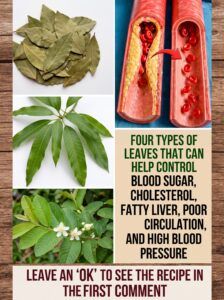
1. Guava Leaves: Traditionally Used for Blood Sugar and Digestive Health
Guava leaves come from the guava tree, scientifically known as Psidium guajava. While most people are familiar with guava fruit, the leaves have also been used traditionally in different cultures as an herbal infusion.
Guava leaves contain several naturally occurring compounds, including flavonoids, polyphenols, tannins, and other antioxidants.
Some preliminary research has investigated guava leaf preparations in relation to blood glucose and metabolic health.
Guava Leaves and Blood Sugar
One reason guava leaf tea has attracted attention is its potential effect on carbohydrate metabolism.
Some small studies and laboratory research suggest that compounds in guava leaves may influence enzymes involved in carbohydrate digestion and glucose metabolism. This has led researchers to investigate whether guava leaf preparations could have a supportive role in maintaining healthy blood sugar levels.
However, this does not mean that guava leaf tea can treat or reverse diabetes.
People with diabetes should continue following the treatment plan recommended by their healthcare professional and should be particularly careful with herbal products because they may potentially affect blood glucose.
Guava Leaves and Antioxidants
Another interesting feature of guava leaves is their antioxidant content.
Antioxidants help protect cells from oxidative stress, which is associated with many chronic health conditions. Eating a variety of plant foods is therefore an important part of a healthy diet.
A simple guava leaf infusion can be enjoyed as a caffeine-free herbal drink, provided it is appropriate for the individual.
2. Bay Leaves: More Than Just a Flavorful Kitchen Herb
Bay leaves are commonly used to add aroma and flavor to soups, stews, sauces, rice dishes, and other recipes.
The leaves contain aromatic compounds and various plant chemicals that have been studied for their antioxidant and metabolic properties.
Bay Leaves and Metabolic Health
Some preliminary research has explored bay leaf consumption in relation to blood glucose and cholesterol levels.
Certain studies have reported potentially beneficial metabolic effects, although research remains limited and the findings should not be interpreted as proof that bay leaves can treat diabetes or cardiovascular disease.
The simplest way to include bay leaves in your diet is through normal cooking.
For example, one or two dried bay leaves can be added to soups, beans, lentils, vegetables, or stews during cooking and removed before serving.
Bay Leaves and Antioxidant Compounds
Bay leaves contain compounds that exhibit antioxidant activity in laboratory studies.
This is one reason herbs and spices can be valuable additions to an overall healthy eating pattern. They can provide flavor while helping people rely less heavily on excessive salt, sugar, or highly processed sauces.
For people concerned about blood pressure, this can be particularly useful because reducing excessive sodium intake is an important part of maintaining healthy blood pressure.
3. Moringa Leaves: A Nutrient-Rich Green Leaf
Moringa, scientifically known as Moringa oleifera, has become increasingly popular around the world.
The leaves are traditionally eaten as a vegetable or prepared as a powder or tea. They contain a variety of nutrients and plant compounds, including vitamins, minerals, polyphenols, carotenoids, and other antioxidants.
Moringa and Blood Sugar Research
Researchers have investigated whether moringa leaves may influence blood glucose regulation.
Some animal and preliminary human research suggests that moringa may have metabolic effects, but the evidence is not strong enough to consider it a treatment for diabetes.
If someone already takes medication to lower blood sugar, adding concentrated moringa products without medical guidance may not be appropriate.
Moringa and Liver Health
The liver plays an essential role in metabolism, digestion, detoxification, and nutrient processing.
Moringa contains antioxidant compounds that have been investigated for their potential protective effects on cells, including liver cells.
However, claims that moringa can “cleanse” or “detox” a fatty liver are much stronger than the current evidence supports.
For people with fatty liver disease, the most important strategies generally involve addressing the underlying causes through nutrition, physical activity, weight management when appropriate, and medical monitoring.
Moringa can be part of a nutritious diet, but it should not be viewed as a substitute for these measures.
4. Olive Leaves: Traditionally Valued for Cardiovascular Wellness
Olive leaves come from the olive tree, Olea europaea, the same plant responsible for producing olives and extra virgin olive oil.
One of the most studied compounds in olive leaves is oleuropein, a naturally occurring polyphenol.
Olive leaf extracts have attracted scientific interest because of their antioxidant and potential cardiovascular effects.
Olive Leaves and Blood Pressure
Some clinical research has investigated olive leaf extract in people with elevated blood pressure.
The results suggest that olive leaf preparations may have blood-pressure-related effects in certain circumstances, although more research is needed and results can vary depending on the preparation and dose.
This is important because high blood pressure is often called a “silent” condition. A person can have elevated blood pressure without obvious symptoms.
Therefore, drinking herbal tea should never replace regular blood pressure monitoring or prescribed treatment.
Olive Leaves and Circulation
Healthy circulation depends on many factors, including blood vessel health, physical activity, blood pressure, blood sugar, cholesterol levels, body weight, smoking status, and overall cardiovascular health.
The antioxidant compounds found in olive leaves are one reason researchers continue studying their potential cardiovascular benefits.
Nevertheless, there is no strong evidence that olive leaf tea can quickly “clear blocked arteries” or cure poor circulation.
Can These Four Leaves Prevent Cancer?
This is where it is especially important to separate traditional claims from scientific evidence.
Guava leaves, bay leaves, moringa leaves, and olive leaves contain various plant compounds with antioxidant activity. Some compounds have demonstrated interesting effects in laboratory or animal studies.
But laboratory findings are not the same as proving that a plant prevents or cures cancer in humans.
Cancer is not one single disease. It includes many different types with different causes, biological mechanisms, and treatments.
There is currently no herbal leaf tea that should be presented as a replacement for cancer treatment.
A diet rich in vegetables, fruits, whole grains, legumes, nuts, and other minimally processed foods can contribute to a healthy lifestyle, but cancer prevention involves many factors.
Regular screening when recommended, avoiding tobacco, limiting alcohol, maintaining a healthy weight, exercising regularly, and following medical advice are much more important than relying on a single herbal ingredient.
What About Fatty Liver?
Fatty liver disease has become increasingly common and can be associated with metabolic conditions such as obesity, insulin resistance, type 2 diabetes, and abnormal blood lipid levels.
It is tempting to look for a “detox tea” that can solve the problem quickly.
Unfortunately, the liver does not need a special tea to perform its normal detoxification functions.
For people with fatty liver, lifestyle changes can be much more meaningful.
These may include:
- Eating more vegetables and high-fiber foods
- Choosing minimally processed foods
- Reducing excessive added sugar
- Limiting sugar-sweetened beverages
- Avoiding excessive alcohol
- Getting regular physical activity
- Managing body weight when appropriate
- Controlling blood sugar and cholesterol
- Following medical recommendations
Herbal leaves may complement a healthy diet, but they should not be marketed as a cure for fatty liver disease.
A Simple Way to Enjoy Herbal Leaves
If you want to incorporate these leaves into your routine, simplicity is usually best.
Instead of making extremely concentrated preparations, consider using herbs as part of normal cooking or a mild herbal infusion.
For example, bay leaves can be added to soups and stews, moringa leaves can be incorporated into vegetables or soups, and guava or olive leaves may be prepared as a mild tea.
The goal should be supporting an overall healthy lifestyle, not looking for a single ingredient that promises dramatic results.
Important Safety Considerations
Natural does not automatically mean safe for everyone.
Herbal products can contain biologically active compounds and may interact with medications.
Extra caution is appropriate for people who:
- Take medication for diabetes
- Take medication for high blood pressure
- Take blood-thinning medication
- Have liver or kidney disease
- Are pregnant or breastfeeding
- Are preparing for surgery
- Have a chronic medical condition
- Are taking several medications or supplements
If you have a medical condition or take prescription medication, talk with your healthcare professional before regularly consuming concentrated herbal extracts or supplements.
The Bigger Picture: No Single Leaf Can Replace a Healthy Lifestyle
The idea of finding one powerful leaf that can solve several major health problems is understandably appealing.
But the human body does not work that way.
Blood sugar, blood pressure, liver health, circulation, cholesterol, and cancer risk are influenced by many interconnected factors.
A few cups of herbal tea cannot compensate for a diet consistently high in ultra-processed foods, a lack of physical activity, smoking, chronic sleep deprivation, or untreated medical conditions.
The most useful approach is to think of herbs and leaves as small pieces of a much bigger health picture.
Guava leaves may provide antioxidant compounds.
Bay leaves can add flavor and plant compounds to healthy meals.
Moringa leaves provide nutrients and antioxidants.
Olive leaves contain interesting polyphenols such as oleuropein.
These are worthwhile reasons to learn more about them—but not reasons to abandon evidence-based medical care.
Final Thoughts
Guava leaves, bay leaves, moringa leaves, and olive leaves have all attracted attention because they contain naturally occurring compounds that may support different aspects of health.
Early research is interesting, particularly regarding antioxidant activity, metabolic health, and cardiovascular function. However, the evidence does not justify claiming that these leaves can cure diabetes, cancer, fatty liver disease, poor circulation, or hypertension without medication.
Instead, consider them as possible additions to a balanced lifestyle.
Healthy food, regular movement, adequate sleep, stress management, routine health checks, and appropriate medical treatment remain the foundation of long-term health.
And when it comes to herbal remedies, the best approach is simple: use them thoughtfully, understand the evidence, and never replace necessary medical treatment with an unproven remedy.


