
What to Eat Before Bed for Better Eye Health: Foods and Nutrients That Support Healthy Vision
Have you ever wondered whether the food you eat in the evening could affect your eye health?
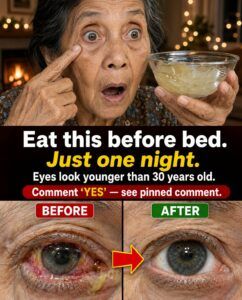
An image circulating online shows an older woman holding a bowl of food with a dramatic message suggesting that eating a particular food before bed can make the eyes look decades younger after just one night. While this kind of claim may attract attention, there is no reliable evidence that a single food can dramatically change the appearance of the eyes or restore vision overnight.
However, the underlying idea is worth exploring.
Nutrition plays an important role in maintaining healthy eyes, and certain foods provide vitamins, minerals, antioxidants, and other nutrients that support normal eye function. Instead of looking for an overnight remedy, it is more useful to build healthy eating habits that provide the eyes with protective nutrients regularly.
This article explains what nutrients matter for eye health, which foods provide them, and what you can realistically expect from a healthy diet.
Can Eating Something Before Bed Improve Your Eyes Overnight?
The short answer is: there is no good evidence that eating a specific food before bedtime can make your eyes look younger or significantly improve eyesight by the next morning.
Changes such as redness, dryness, irritation, or blurry vision can have many causes. They may be related to allergies, lack of sleep, dehydration, prolonged screen use, environmental irritation, medications, or an underlying eye condition.
A nutritious meal can contribute to overall health, but it should not be considered an instant treatment for an eye problem.
The good news is that healthy eating patterns may support the eyes over the long term.
Why Nutrition Matters for Eye Health
The eyes depend on a steady supply of nutrients to maintain normal tissues and function.
Some nutrients are especially important because they participate in processes involved in vision or help protect cells from oxidative stress.
Important nutrients for eye health include:
- Vitamin A
- Vitamin C
- Vitamin E
- Zinc
- Lutein
- Zeaxanthin
- Omega-3 fatty acids
These nutrients can be obtained from a varied diet containing vegetables, fruits, fish, eggs, nuts, seeds, and other nutrient-rich foods.
Rather than focusing on one “miracle” ingredient, think about overall dietary quality.
1. Carrots and Other Orange Vegetables
Carrots are one of the most commonly associated foods with healthy vision.
They contain beta-carotene, which the body can convert into vitamin A. Vitamin A is important for normal vision, particularly for the functioning of the retina.
Other foods containing beta-carotene include:
- Sweet potatoes
- Pumpkin
- Butternut squash
- Cantaloupe
- Orange peppers
Adding these foods to regular meals can help provide useful nutrients without relying on supplements or extreme diets.
2. Leafy Green Vegetables
Dark green vegetables are among the most valuable foods to include in a diet designed to support eye health.
Spinach, kale, collard greens, and other leafy vegetables contain lutein and zeaxanthin.
These carotenoids are found in the retina, particularly in the macular region. They are also antioxidants that help protect cells from oxidative stress.
A simple way to increase your intake is to add leafy greens to:
- Salads
- Soups
- Omelets
- Stir-fries
- Smoothies
- Grain bowls
Eating them regularly is more meaningful than consuming a large amount of one food on a single night.
3. Eggs
Eggs can be a convenient source of several nutrients.
The yolk contains lutein and zeaxanthin, along with other nutrients such as vitamin A and zinc.
Because eggs are versatile, they can easily become part of a balanced breakfast, lunch, or dinner.
For people who enjoy eggs, pairing them with vegetables such as spinach, peppers, or tomatoes can create a nutrient-dense meal.
4. Fatty Fish and Omega-3 Fatty Acids
Salmon, sardines, mackerel, and other oily fish provide omega-3 fatty acids.
Omega-3 fats are important components of cell membranes and play roles throughout the body.
Including fish regularly as part of a balanced diet may contribute to overall health and may be particularly relevant to people interested in maintaining healthy eyes as they age.
If you do not eat fish, plant foods such as chia seeds, flaxseeds, and walnuts provide another form of omega-3 fat, although the body processes these fats differently.
5. Citrus Fruits
Oranges, grapefruit, lemons, and other citrus fruits provide vitamin C.
Vitamin C is an antioxidant and contributes to normal collagen formation. Collagen is an important structural protein found in various tissues of the body, including parts of the eye.
Fresh fruit can be a simple alternative to highly processed desserts when you want something naturally sweet.
6. Nuts and Seeds
Almonds, sunflower seeds, walnuts, and other nuts and seeds can provide vitamin E, healthy fats, and other nutrients.
Vitamin E has antioxidant properties and helps protect cells from oxidative damage.
A small serving of unsalted nuts or seeds can be a convenient addition to a balanced diet.
Because nuts are energy-dense, portion size still matters, particularly for people who are monitoring their calorie intake.
7. Berries and Colorful Fruits
Blueberries, strawberries, blackberries, and other colorful fruits contain vitamin C and various plant compounds.
Although no single berry should be considered an eye treatment, eating a variety of colorful fruits and vegetables is a practical way to increase the range of nutrients and plant compounds in your diet.
A useful rule is simple:
The more variety of naturally colorful plant foods you eat, the broader the range of nutrients you are likely to consume.
What About Eating a Food Before Bed?
The timing of a particular food is usually less important than the overall quality of your diet.
If you are hungry in the evening, a small, balanced snack may be appropriate. Examples include:
- Plain


