
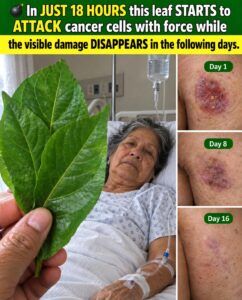
A viral photo might seem harmless, but when it promises to cure a serious condition in 24 hours, the problem isn’t the image itself, it’s the delay. Many people share it out of hope, fear, or because they don’t want to “cause a scene,” and in the meantime, they overlook signs that truly deserve attention. This is draining, confusing, and can delay important care. The good news is that you can distinguish between a home remedy and something dangerous, and at the end, I’ll show you the simplest way to spot a misleading message before forwarding it.
Why these viral photos are so persuasive
It’s not naiveté. It’s emotion. When an image shows a plant, a wound, and a promise of quick relief, the brain mixes urgency with hope. And that’s captivating. Especially if you’ve seen someone “hold it in” for too long or if your family is used to solving everything with home remedies.
But that’s not all. Many of these publications use excerpts without context, without an author, without a hospital, without a study, and without real follow-up. Cofepris and other health authorities have insisted that a natural product should not be presented as if it cures a serious illness.
The uncomfortable truth is this: fear sells clicks, but it also delays inquiries.
Which plant usually appears in these chains?
In many cases, the leaf in the photo resembles spearmint, a very common plant in Mexican patios and flowerpots. It smells fresh, is used in cooking, and is part of family tradition. It’s neither a rare nor a secret plant.
The UNAM’s Digital Library of Traditional Mexican Medicine documents its popular use for mild digestive ailments, such as gas, indigestion after eating, or a feeling of tightness in the stomach. This is a traditional home remedy, not proof that it cures complex illnesses.

And here’s the important point: many things are confused online. A culinary herb is one thing, but a herb touted for serious effects without clinical backing is quite another. Confusing names, photos, and claims is one of the most common pitfalls.
What has been studied about spearmint
Yes, studies exist, but they should be read carefully. Several scientific reviews indicate that compounds in mint, such as menthol, can help relax the digestive tract and relieve mild discomfort like bloating or slight nausea. That’s why peppermint tea is still so popular at home.
However, traditional use is one thing, and the idea that a leaf or a tea can cure a sore, a lump, or a serious illness is quite another. Promising effects of some essential oils on bacteria or tissue have been observed in the laboratory, but that doesn’t mean they will work the same way in a real person.

Science advances through evidence, not screenshots. And that makes all the difference.
What viral photos don’t tell you
There are three points that almost never appear in the shared post:
1. A laboratory study is not the same as a human body with diabetes, hypertension, infection, or advanced age.

2. A concentrated essential oil is not the same as a mild cooking infusion.
3. A “before and after” photo may be cropped, taken out of context, or even belong to someone else.
Viral information oversimplifies things. Real medicine, on the other hand, requires observation, palpation, questioning, and sometimes ordering tests.
How to safely prepare peppermint tea
If you want to use mint in your cooking, do it right. You don’t need to use too much or boil it for too long.
Step 1: Wash 3 or 4 fresh twigs under running water to remove dust and dirt.
Step 2: Heat a cup of water until it boils, turn off the heat and add the leaves.
Step 3: Cover and let rest for 5 to 8 minutes.
Step 4: Strain and drink the tea warm, ideally without excess sugar.
Step 5: If you notice heartburn, burning, or discomfort, discontinue use and observe how you feel.
But that’s not all. If you take medication for blood pressure, heart conditions, prostate problems, or any other regular treatment, it’s a good idea to discuss it with your doctor or pharmacist. Some herbs can interact with certain medications.
What you can do today, without expecting miracles
There are simple actions that help more than forwarding a chain:
- Keep the plant at home as a cooking ingredient, not as a sole treatment.
- Use it in tea or food, in normal amounts.
- Note whether it agrees with you or if it causes heartburn.
- Show that information during the consultation if you have digestive symptoms.
- Observe any wound, lump, or spot with real attention, not with blind hope.
These small habits may not sound heroic, but they are sustainable. And when it comes to health, what can be repeated is often more useful than what is spectacular.
When does a wound or lump need medical attention?
A sore, spot, or lump on the neck shouldn’t be left untreated for weeks. There are signs that deserve prompt attention.
- The wound doesn’t close, it grows, or it smells bad.
- Pus comes out, it bleeds, or it throbs.
- There is fever, night sweats, or unexplained weight loss.
- The lump is hard, doesn’t hurt, or keeps getting bigger.
- The problem lasts for more than two weeks.
- The person has diabetes, smokes, or is easily infected.
In these cases, the right thing to do is not to wait for a miraculous photo. The right thing to do is go to the health center, your family doctor, or a trusted medical professional. Often it won’t be anything serious, but only a professional can diagnose it with certainty.
Cooking habits versus miracle message
Sometimes it helps to put it in contrast to see it clearly:
| What does fit at home | What the viral message usually sells |
|---|---|
| Tea after a heavy meal | “Within 24 hours, the serious issues have already arisen.” |
| Washed and used sheets in normal quantity | Boil lots of twigs “so it sticks” |
| Traditional use for minor ailments | Promises for serious injuries or illnesses |
| Consult a doctor if symptoms persist | Waiting “to see if it goes down” |
The difference seems small, but it isn’t. A cup of tea can be a kitchen habit. A message promising a quick cure without evidence can become a dangerous delay.
The most useful signal before forwarding
And now, here’s the clue that almost no one checks: look at the caption and the source. If there’s no journal name, study date, hospital, author, or clear context, be suspicious. If there’s only a shocking image and an urgent promise, you’re not looking at medical information: you’re looking at a piece designed to provoke fear.
If the message doesn’t explain where the evidence came from, don’t share it as if it were medical truth.
You can save it to review later, trace its origin, or ask a professional. But forwarding it without verifying it only adds to the confusion.
Frequently Asked Questions
Is peppermint tea good for anything serious?
There is no solid clinical evidence in humans to support its use as a treatment for serious illness. Its most widely accepted use is for minor digestive discomfort. If there is a wound, lump, or persistent symptom, medical evaluation is necessary.
Can I take spearmint every day?
An occasional cup of coffee is generally considered part of cooking, but drinking it excessively or for extended periods isn’t always a good idea. If you’re taking medication or have a chronic illness, it’s advisable to consult a doctor first.
What should I do if spearmint gives me heartburn?
Stop taking it. In some people, mint can relax the stomach too much and cause reflux or heartburn. If it upsets your stomach, don’t continue.
Conclusion
Mint can still be in your kitchen and your tea, but it shouldn’t replace a medical checkup when there are warning signs. Viral photos grab attention, yes, but they don’t replace evidence or diagnosis. If something doesn’t look right, don’t wait for it to “go away on its own.” Acting promptly is always better than trusting an internet promise.
Health is not decided by WhatsApp chains; it is decided with reliable information and timely care.
Disclaimer
This article is for informational purposes only and is not a substitute for evaluation or treatment by a healthcare professional. If you have persistent symptoms, a wound that does not heal, or a growing lump, consult a doctor or healthcare provider.


