
Green Tea and Cinnamon: A Natural Drink for Cholesterol Support
Cholesterol plays an important role in the body, but having too much LDL cholesterol in the blood can increase cardiovascular risk.
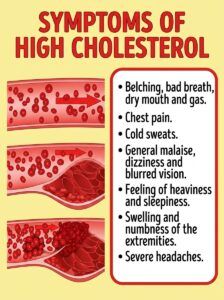
One important thing to remember is that high cholesterol usually does not cause noticeable symptoms. Feeling tired, dizzy, heavy, or having chest discomfort should not automatically be attributed to high cholesterol. The only reliable way to know your cholesterol level is through a blood test.
Alongside a balanced diet and other healthy habits, some people enjoy natural beverages made with ingredients such as green tea and cinnamon.
Both ingredients contain naturally occurring plant compounds, and researchers have studied their possible effects on metabolic and cardiovascular health. However, this drink should be viewed as a supportive wellness beverage, not a treatment for high cholesterol.
Why Green Tea May Be Interesting for Cholesterol
Green tea is naturally rich in polyphenols called catechins, particularly epigallocatechin gallate (EGCG).
These compounds have attracted scientific interest because of their antioxidant and metabolic properties.
Research on green tea and blood lipids has produced mixed results, with some studies suggesting modest improvements in cholesterol markers while others find smaller or inconsistent effects.
This means drinking green tea can be part of a healthy lifestyle, but it should not be expected to replace cholesterol-lowering treatment prescribed by a healthcare professional.
What About Cinnamon?
Cinnamon contains numerous plant compounds, including polyphenols, and researchers have investigated its potential effects on blood lipids.
The evidence is not completely consistent.
A 2024 systematic review and meta-analysis of randomized controlled trials found that cinnamon supplementation did not produce a statistically significant overall reduction in LDL cholesterol, although some analyses suggested possible effects depending on dose and other factors.
Another 2025 systematic review and meta-analysis reported reductions in LDL cholesterol, total cholesterol, and triglycerides among people taking cinnamon supplements, but the researchers also examined multiple cardiovascular risk factors and the results came from supplementation studies, not necessarily from a simple cup of homemade cinnamon tea.
Therefore, cinnamon is best considered an ingredient that may complement a healthy eating pattern rather than a proven cholesterol treatment.
Green Tea and Cinnamon Infusion Recipe
If you enjoy the flavor of these ingredients, here’s a simple way to prepare the drink.
Ingredients
- 1 teaspoon of green tea leaves or 1 green tea bag
- 1 small cinnamon stick
- 1 cup of water
- Optional: a few drops of fresh lemon juice
How to Prepare It
Step 1:
Bring the water to a boil.
Step 2:
Add the cinnamon stick and simmer gently for about 2–3 minutes.
Step 3:
Remove the water from the heat and add the green tea.
Step 4:
Cover the cup and allow the tea to steep for approximately 3–5 minutes.
Step 5:
Remove the tea leaves or tea bag and cinnamon stick.
Step 6:
Add a small amount of fresh lemon juice if desired.
Your green tea and cinnamon infusion is ready to enjoy.
When Is the Best Time to Drink It?
There is no established medical requirement to drink this infusion on an empty stomach.
If you enjoy it in the morning, you can have it with or after breakfast. If green tea causes stomach discomfort when consumed without food, drinking it after a meal may be more comfortable.
Because green tea naturally contains caffeine, people who are sensitive to caffeine may prefer to drink it earlier in the day.
Most importantly, consistency in an overall healthy lifestyle matters more than a specific time of day.
Can This Drink Lower Cholesterol?
It’s important to distinguish between a beverage that supports a healthy lifestyle and a treatment that lowers cholesterol.
Green tea and cinnamon have both been studied for their possible effects on blood lipids, but evidence varies by ingredient, preparation, dose, and study population.
For cinnamon specifically, systematic reviews have reached different conclusions. One meta-analysis found no significant overall effect on LDL cholesterol, while other analyses have reported modest improvements in certain lipid measures.
So rather than saying this tea “reduces cholesterol,” a more accurate description is:
Green tea and cinnamon may be part of a heart-conscious eating pattern that supports overall cardiovascular wellness.
The Diet Matters More Than One Drink
If your goal is to maintain healthy cholesterol levels, focusing on your overall eating pattern is more important than relying on one particular tea.
One especially important dietary factor is saturated fat.
The American Heart Association notes that consuming too much saturated fat can increase LDL cholesterol. Replacing foods high in saturated fat with sources of unsaturated fats can help support heart health.
Consider including more:
- Oats and other whole grains
- Beans and lentils
- Vegetables
- Fruits
- Nuts and seeds
- Fish
- Olive oil
- Other sources of unsaturated fats
At the same time, consider limiting excessive amounts of foods high in saturated fat.
What About “Cleaning the Arteries”?
You may see natural drink recipes described as ways to “clean,” “purify,” or “unclog” the arteries.
This wording can be misleading.
There is no evidence that drinking green tea and cinnamon literally cleans plaque out of arteries.
A healthier way to describe the goal is supporting cardiovascular health and maintaining healthy cholesterol levels through diet, physical activity, not smoking, adequate sleep, and appropriate medical care.
Important: High Cholesterol Usually Has No Symptoms
This is especially important when creating health content.
High cholesterol generally doesn’t cause symptoms that you can reliably feel. Someone can have elevated cholesterol while feeling completely normal.
Symptoms such as:
- Chest pain
- Dizziness
- Unusual fatigue
- Shortness of breath
should not automatically be blamed on cholesterol.
Chest pain, especially when severe, persistent, or accompanied by shortness of breath, sweating, nausea, or pain spreading to the arm or jaw, requires prompt medical attention rather than home remedies.
Who Should Be Careful With Green Tea and Cinnamon?
Although these are common food ingredients, concentrated amounts and supplements can behave differently from normal culinary use.
Be particularly cautious if you:
- Take medication regularly
- Take blood-thinning medication
- Have liver disease
- Have a bleeding disorder
- Are pregnant or breastfeeding
- Have a chronic medical condition
- Are considering concentrated cinnamon or green tea supplements
Cinnamon supplements can provide substantially larger amounts than ordinary culinary use, so they should not automatically be treated as equivalent to adding a small cinnamon stick to tea.
Green Tea and Cinnamon: A Simple Wellness Habit
This warm infusion can be an enjoyable alternative to sugary beverages.
A simple cup made with green tea, cinnamon, water, and optional lemon provides a flavorful drink while fitting easily into a balanced diet.
The key is to keep expectations realistic.
It may be a pleasant addition to a heart-conscious lifestyle, but no single drink can replace a healthy diet, regular physical activity, cholesterol testing, or prescribed treatment when treatment is needed.
Final Thoughts
Green tea and cinnamon are two plant-based ingredients that have attracted scientific interest for their potential effects on metabolism and cardiovascular health.
Research on cinnamon and cholesterol has produced mixed findings, while evidence for green tea also varies depending on the preparation and population studied.
For people who enjoy the flavor, a simple green tea and cinnamon infusion can be included as part of an overall healthy eating pattern.
The bigger picture matters most: choose foods lower in saturated fat, eat plenty of plant foods, stay physically active, and check your cholesterol regularly.
And remember: if you’re concerned about your cholesterol, a blood test—not symptoms—is the way to find out where your levels stand.


