
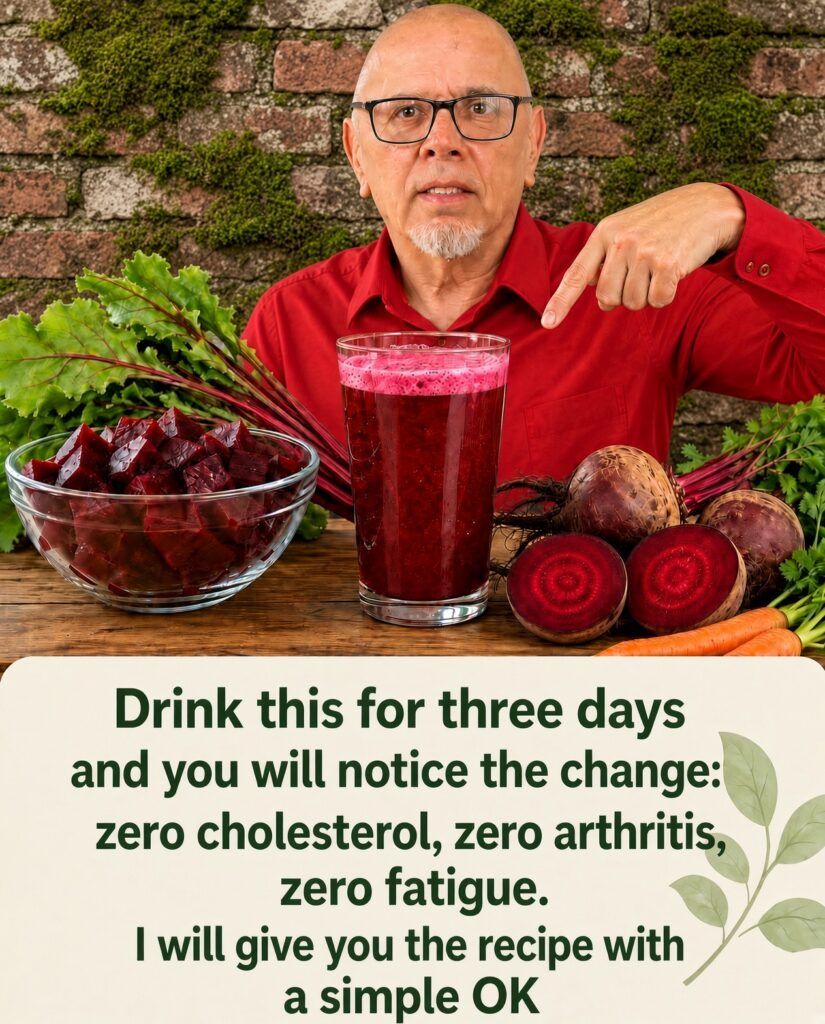
If you’re looking for a colorful, nutrient-rich drink to add to your daily routine, beetroot juice may be worth trying.
Known for its deep red-purple color and naturally earthy flavor, beetroot is packed with nutrients and naturally occurring plant compounds. It has also attracted attention for its potential role in supporting exercise performance, healthy circulation, and overall wellness.
But what makes this vibrant root vegetable so interesting?
One of the key compounds found in beetroot is dietary nitrate, which the body can convert into nitric oxide. Nitric oxide plays an important role in blood vessel function and circulation.
From a refreshing morning drink to a pre-workout beverage, beetroot juice can be an easy way to incorporate more vegetables into your diet.
Let’s take a closer look.
What Is Beetroot Juice?
Beetroot juice is made by extracting the liquid from fresh beets.
Beets naturally contain:
Dietary nitrates
Folate
Potassium
Manganese
Vitamin C
Antioxidant compounds
Natural pigments called betalains
These nutrients and plant compounds contribute to the distinctive color and nutritional profile of beetroot.
You can drink beetroot juice on its own or combine it with ingredients such as carrot, apple, lemon, ginger, cucumber, or celery.
1. Beetroot Juice May Support Natural Energy
Feeling tired can have many different causes, including insufficient sleep, stress, diet, dehydration, or an underlying health condition.
While beetroot juice isn’t a treatment for fatigue, its naturally occurring nitrates have made it particularly interesting in sports nutrition.
The body can convert nitrate into nitric oxide, which helps regulate blood vessel function.
For this reason, beetroot juice is often studied in relation to oxygen use and physical performance.
Rather than promising instant energy, it’s more accurate to think of beetroot juice as a nutrient-rich drink that may support your body’s normal physiological processes.
2. It May Support Exercise Performance
One of the most researched reasons people consume beetroot juice is exercise performance.
Dietary nitrate from beetroot may increase nitric oxide availability, which can influence blood flow and how efficiently the body uses oxygen during certain types of physical activity.
Some research has found potential benefits for exercise efficiency, particularly during endurance activities.
This is why beetroot juice has become popular among runners, cyclists, and other active individuals.
However, individual responses can vary, and beetroot juice shouldn’t be viewed as a replacement for proper training, nutrition, hydration, or recovery.
3. Beetroot Contains Natural Antioxidant Compounds
Beets are rich in naturally occurring compounds called betalains.
These pigments are responsible for the beautiful red, purple, and sometimes yellow colors found in different varieties of beetroot.
Betalains have antioxidant properties and are being studied for their potential role in protecting cells from oxidative stress.
Adding colorful vegetables such as beetroot to your diet is one simple way to increase your intake of a variety of plant compounds.
4. It Can Support Healthy Circulation
Beetroot’s nitrate content is one of its most interesting nutritional characteristics.
After consumption, dietary nitrate can participate in pathways that produce nitric oxide. Nitric oxide helps blood vessels relax and plays a role in normal circulation.
This is one reason beetroot and beetroot juice have been studied in connection with healthy blood pressure and cardiovascular function.
However, beetroot juice should not be considered a substitute for prescribed blood-pressure medication or medical treatment.
5. Beetroot Juice Can Be Part of a Heart-Healthy Diet
A healthy cardiovascular diet is based on an overall eating pattern rather than one particular food or drink.
Vegetables, fruits, whole grains, legumes, nuts, seeds, and other nutrient-dense foods can all contribute to a balanced diet.
Beetroot can easily fit into this type of eating pattern.
You can enjoy it as juice, roasted beetroot, steamed beetroot, grated beetroot in salads, or blended into smoothies.
6. It Provides Important Nutrients
Fresh beetroot contains several vitamins and minerals that contribute to normal body functions.
Among them are:
Folate
Folate is important for normal cell division and the formation of blood cells.
Potassium
Potassium is an essential mineral involved in fluid balance, nerve signaling, and muscle function.
Manganese
Manganese contributes to normal metabolism and protection of cells from oxidative stress.
Vitamin C
Beetroot provides some vitamin C, which contributes to normal immune function and antioxidant protection.
7. Beetroot Juice May Be a Convenient Way to Eat More Vegetables
Not everyone enjoys eating large portions of vegetables every day.
Fresh vegetable juice can provide another way to incorporate plant foods into your routine.
For example, you can combine beetroot with:
Beetroot + carrot + ginger
A naturally sweet and spicy combination.
Beetroot + apple + lemon
Refreshing and slightly tart.
Beetroot + cucumber + celery
A lighter vegetable-based combination.
Beetroot + ginger + lemon
A bold option with a fresh citrus flavor.
Keep in mind that whole vegetables contain fiber that is reduced or removed when vegetables are juiced.
Simple Beetroot Juice Recipe
Ingredients
1 medium fresh beetroot
1 carrot
1 small apple
½ lemon
A small piece of fresh ginger
½–1 cup of water, if needed
How to Prepare
Wash the beetroot, carrot, apple, and ginger thoroughly.
Peel the beetroot if desired.
Cut everything into small pieces.
Add the ingredients to a blender.
Pour in a little water.
Blend until smooth.
Strain if you prefer a thinner juice.
Add fresh lemon juice.
Drink immediately.
For a higher-fiber option, skip straining and enjoy it as a smoothie.
When Is the Best Time to Drink Beetroot Juice?
There isn’t one universally required time to drink beetroot juice.
Some people enjoy it in the morning as part of breakfast, while active individuals may consume beetroot juice before exercise.
If you’re drinking it for general nutrition, the most important thing is simply finding a time that fits comfortably into your routine.
If you have never consumed beetroot juice before, start with a small serving to see how your body responds.
Can You Drink Beetroot Juice Every Day?
For most healthy adults, beetroot can be included as part of a varied diet.
However, more isn’t necessarily better.
Juicing can concentrate the natural sugars and calories from several vegetables or fruits into a relatively small drink. If you are watching your carbohydrate or sugar intake, portion size is worth considering.
A balanced diet should include a variety of whole vegetables rather than relying heavily on one juice.
One Interesting Effect: Red or Pink Urine
Don’t be surprised if your urine or stool looks pink or reddish after eating beets or drinking beetroot juice.
This harmless phenomenon is commonly known as beeturia.
The intense natural pigments in beetroot can pass through the digestive system and temporarily change the color of urine or stool.
It can look surprising, but after consuming beetroot, this color change can be completely normal.
Important Things to Know Before Drinking Beetroot Juice
Beetroot juice is nutritious, but it isn’t a miracle drink.
Claims such as “zero cholesterol,” “zero arthritis,” or “zero fatigue after three days” are not scientifically appropriate promises.
No single drink can eliminate cholesterol, cure arthritis, or guarantee that fatigue will disappear within a few days.
Instead, beetroot juice can be viewed as one nutritious addition to an overall healthy lifestyle.
If you have a medical condition, take medication, or have been advised to limit potassium or dietary nitrate, talk with a healthcare professional before making beetroot juice a regular part of your diet.
Final Thoughts
Beetroot juice is more than just a beautifully colored drink.
Its naturally occurring nitrates, betalains, vitamins, minerals, and other plant compounds make it an interesting addition to a balanced diet.
It may support normal circulation, exercise performance, and overall nutritional wellness, while its vibrant color makes it an easy way to add variety to your daily routine.
You don’t need to drink it for three days expecting dramatic changes.
Instead, think of beetroot as one small piece of a bigger picture: a varied diet, regular physical activity, adequate sleep, hydration, and healthy lifestyle habits.
So, if you enjoy its earthy flavor, why not add a glass of fresh beetroot juice to your routine? ❤️🥤
Beetroot may not be a miracle cure—but it can be a delicious, colorful way to nourish your body.


