
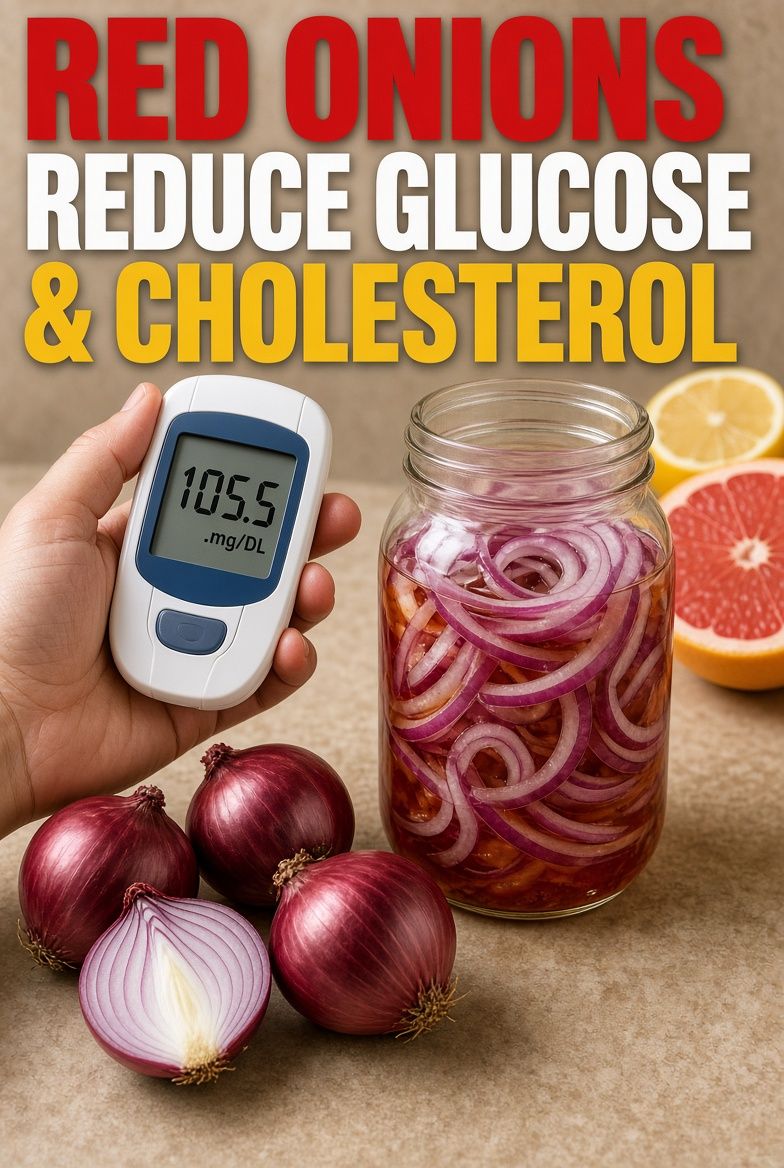
On social media, there is no shortage of headlines promising that red onion can make blood sugar “drop instantly.” Some videos even show glucometers with normal numbers next to sliced onions.
This type of content is attractive, but it can give a misleading impression.
Red onion is a nutritious food, rich in various plant compounds, and can be part of a balanced diet. However, it does not replace treatment for diabetes or prediabetes, does not eliminate the need for prescribed medications, and does not guarantee a rapid reduction in blood sugar just by being consumed.
Can Red Onion Really Lower Blood Sugar Quickly?
There is no reliable clinical evidence that eating red onion makes blood sugar drop “instantly” or that it can replace glucose-lowering medications.
Blood sugar is influenced by factors such as:
- type and amount of food consumed;
- medications used;
- physical activity;
- sleep quality;
- stress;
- liver glucose production;
- overall diet;
- each person’s metabolism.
When a single food is presented as capable of instantly solving this complex process, distrust is warranted.
What Can Red Onion Contribute to a Balanced Diet?
Red onion belongs to the Allium family, the same as garlic, and provides: fiber in varying amounts; vitamins and minerals; plant compounds such as flavonoids; sulfur compounds; characteristic flavor without adding many calories.
These characteristics can make meals more interesting and also help increase vegetable variety in the diet.
For those who need to control blood sugar, what matters most is not a single food, but the complete dietary pattern and the treatment indicated by a health professional.
And Cholesterol? Is Onion a “Cholesterol Cure”?
Headlines like “red onion lowers cholesterol” are also common.
Cholesterol is influenced by various factors, including diet, physical activity, weight, genetics, and metabolism. Although a diet rich in vegetables, legumes, fruits, whole grains, and healthy fats is associated with cardiovascular benefits, no isolated food should be presented as a cure for high cholesterol.
If cholesterol is elevated, it is important to follow medical guidance. Stopping prescribed treatment based on a homemade recipe can be risky.
Simple Red Onion Preparation to Vary the Menu
Instead of thinking of onion as medicine, it can be enjoyed as a nutritious food.
A traditional preparation is marinated red onion, widely used as an accompaniment in various cuisines.
Ingredients: 2 medium red onions; 150 ml of water; 50 ml of vinegar; 1 teaspoon of salt; half a teaspoon of sugar (optional); lemon juice to taste.
Preparation: Slice the onions thinly. Mix the liquids and seasonings, pour over the onion, and let it rest in the refrigerator for at least 30 minutes.
This preparation can accompany salads, meats, eggs, legumes, and other dishes.
It is a tasty way to increase vegetable consumption, but it should not be seen as a treatment for diabetes or cholesterol.
Raw or Cooked? Which Is Better?
Some posts suggest that onion only works if eaten raw.
The reality is not so rigid.
Raw onion may preserve certain more volatile compounds, but it can also cause reflux, acidity, or digestive discomfort in some people.
Lightly cooked onion tends to be better tolerated and still provides nutrients.
The best choice is usually the one that allows you to include the food regularly without causing discomfort.
What Really Helps Control Blood Sugar?
A more realistic approach includes habits such as:
- balanced diet guided by a professional;
- portion control;
- regular physical activity;
- adequate sleep;
- stress management;
- regular glucose monitoring when indicated;
- correct use of prescribed medications.
These measures are much more important than any isolated recipe.
Dangerous Signs That Should Not Be Ignored
Very high or uncontrolled blood sugar can cause symptoms such as: intense thirst; frequent urination; excessive tiredness; blurry vision; unexplained weight loss.
In more severe situations, confusion, difficulty breathing, or fruity-smelling breath may occur.
These signs require urgent medical evaluation and should not be treated only with homemade recipes.
What About People Who Already Use Diabetes Medication?
Anyone already taking glucose-lowering medication should be especially careful with promises of natural remedies that “drop blood sugar.”
Combining medications with unknown or untested preparations can increase the risk of hypoglycemia (low blood sugar), which can be dangerous.
Therefore, do not start homemade treatments without professional guidance and never stop a prescribed medication on your own.
Why Do So Many “Instant Cure” Videos Appear?
The answer is simple: this type of headline generates clicks.
A video showing a glucometer next to sliced onion creates the impression that the food caused the result, but this does not prove cause and effect.
Blood sugar can vary for various reasons, and a single measurement shown on video does not represent rigorous evidence.
Habits That Are Worth Maintaining
Instead of depending on a viral recipe, it is more useful to maintain: regular meal times; fiber-rich meals; moderate portions; daily walks; adequate hydration; regular medical follow-up.
These are the changes that really tend to make a difference in the long run.
Frequently Asked Questions
Can red onion replace diabetes medication? No. Never replace a prescribed treatment with homemade recipes.
Does eating red onion lower cholesterol? There is no guarantee. A varied diet can help, but cholesterol needs professional evaluation.
Is marinated onion bad for blood sugar? It depends on the overall meal and each person’s condition. Those who use medication or follow a specific diet should seek professional guidance.
Can I eat red onion freely? In general, it can be part of a balanced diet. The amount and form of consumption should respect individual tolerance and medical guidance.
Conclusion
Red onion is a nutritious food that can add flavor and variety to meals. But it is not a treatment for diabetes, does not lower blood sugar “instantly,” and does not replace medical follow-up.
Those who want to better care for their blood sugar and cholesterol should prioritize consistent habits, balanced diet, physical activity, and adequate treatment.
Warning: This content is for informational purposes only and does not replace medical guidance. Do not stop prescribed medications or ignore symptoms based on internet recipes.


