
I was worried about my eyesight and started looking for natural ways to support my eye health. One simple drink caught my attention: a fresh juice made with carrots, ginger, and lemon. But can this colorful combination really improve vision?
Your eyes depend on a wide range of nutrients to function normally. A balanced diet that includes vegetables and fruits can help provide many of these nutrients. Carrots, in particular, are well known for their beta-carotene content, while citrus fruits provide vitamin C.
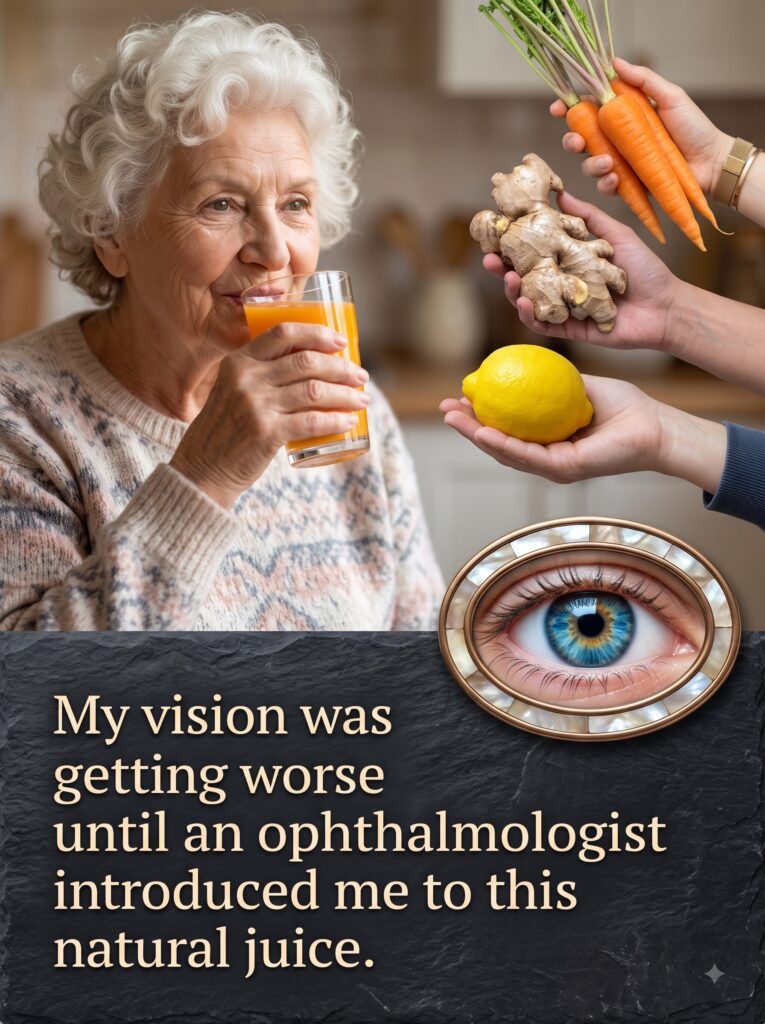
However, there is an important distinction between supporting eye health and restoring lost vision. No homemade juice should be presented as a cure for vision loss, cataracts, glaucoma, macular degeneration, or other eye diseases.
So, what makes this simple carrot, ginger, and lemon drink interesting?
Why Carrots Are Associated With Eye Health
Carrots are one of the best-known foods associated with healthy vision.
Their bright orange color comes largely from beta-carotene, a plant pigment that the body can convert into vitamin A.
Vitamin A plays an important role in normal vision. It is particularly important for the functioning of the retina and for seeing in low-light conditions.
This is where the famous connection between carrots and eyesight comes from.
Eating carrots does not give someone “super vision,” and drinking carrot juice cannot automatically reverse an eye condition. However, including beta-carotene-rich foods as part of a varied diet can contribute to normal nutritional support for the eyes.
Other orange and yellow vegetables, as well as dark leafy greens, can also contribute useful nutrients.
What Does Ginger Add?
Ginger is another traditional ingredient in this drink.
Fresh ginger contains naturally occurring plant compounds called gingerols and related compounds. Ginger has been widely used as a culinary ingredient and in traditional wellness practices.
Adding a small amount of fresh ginger can also give the juice a pleasant spicy flavor that balances the sweetness of carrots and the acidity of lemon.
It is important, however, not to confuse traditional use with proven treatment. Ginger juice should not be considered a treatment for eye disease.
Why Add Lemon?
Lemon brings freshness and acidity to the recipe while providing vitamin C.
Vitamin C is an antioxidant nutrient that helps protect cells from oxidative stress as part of the body’s normal biological processes.
Lemon also makes carrot juice taste lighter and more refreshing.
If you prefer a less acidic drink, you can use a smaller amount of lemon and adjust it according to taste.
A Simple Carrot, Ginger and Lemon Juice Recipe
If you want to try this drink as part of a balanced diet, the recipe can be kept very simple.
Ingredients
2–3 fresh carrots
A small piece of fresh ginger
½ lemon
½–1 cup of water, if needed
Ice, optional
Preparation
Wash the carrots thoroughly.
Peel the ginger if desired.
Cut the carrots and ginger into smaller pieces.
Juice them using a juicer.
Squeeze in the lemon juice.
Add a little water if you want a lighter consistency.
Stir well and drink fresh.
If you do not have a juicer, you can blend the ingredients with water and strain the mixture if you prefer a smoother drink.
Can This Juice Restore Lost Vision?
This is the most important question.
There is no good reason to claim that carrot, ginger, and lemon juice can restore lost eyesight.
If someone experiences blurred vision, sudden vision loss, double vision, flashes, new floaters, eye pain, or another significant change in eyesight, the appropriate response is to seek professional medical evaluation.
Some vision problems are caused by conditions that require specific treatment. Depending on the cause, treatment may involve prescription glasses, medication, laser treatment, surgery, or other medical care.
A healthy drink can be part of a healthy lifestyle, but it should never replace an eye examination.
Nutrients Matter More Than a “Miracle Juice”
One common mistake in online health content is focusing on one food as though it can solve every problem.
In reality, eye health is influenced by many factors, including:
Overall diet
Age
Family history
Blood pressure
Blood sugar control
Smoking
UV exposure
Existing eye conditions
General health
Regular eye examinations
Instead of searching for one “miracle” ingredient, it is more useful to build an eating pattern that regularly includes vegetables, fruits, whole grains, legumes, nuts, seeds, and other nutrient-rich foods.
Carrots can certainly be part of that pattern.
Carrots Are Not the Only Food Important for Eye Health
A colorful diet can provide a variety of nutrients associated with normal eye function.
For example, leafy green vegetables provide carotenoids such as lutein and zeaxanthin. Citrus fruits and many other fruits provide vitamin C. Nuts and seeds can provide vitamin E and other nutrients.
Fish provides omega-3 fatty acids, while eggs contain several nutrients that can contribute to a balanced diet.
The goal is not to consume enormous amounts of one food. The goal is variety and consistency.
Juice or Whole Carrots: Which Is Better?
Juicing can make it easy to consume several carrots at once, but whole carrots have an important advantage: fiber.
When you eat a whole carrot, you consume the vegetable along with its natural fiber. Juicing removes much of that fiber.
For this reason, carrot juice can be a convenient addition to a diet, but it does not necessarily need to replace whole vegetables.
You can also blend carrots rather than juice them if you want to retain more of the plant’s fiber.
A Note About Sugar in Carrot Juice
Carrots are nutritious, but carrot juice can still contain naturally occurring sugars.
If you drink a large glass made from several carrots, you may consume more carbohydrate than you would by eating one whole carrot.
People who need to carefully manage blood sugar may therefore want to pay attention to portion size and discuss dietary choices with their healthcare professional.
Adding vegetables and protein to meals and choosing whole foods more often can also help create a more balanced eating pattern.
When Vision Changes Should Not Be Ignored
A natural drink should never delay medical care when vision is changing.
Seek prompt professional evaluation if you experience:
Sudden loss of vision
A sudden increase in floaters
Flashes of light
A dark curtain or shadow across your vision
Severe eye pain
Sudden double vision
Significant or unexplained blurred vision
These symptoms can sometimes be associated with urgent eye problems.
Even when symptoms develop gradually, regular eye examinations are important because some eye diseases can progress before noticeable symptoms appear.
How to Support Eye Health Naturally
Rather than relying on a single recipe, consider several everyday habits.
1. Eat a variety of colorful vegetables
Include carrots, leafy greens, peppers, tomatoes, pumpkin, and other vegetables in your meals.
2. Eat fruit regularly
Citrus fruits, berries, kiwi, and other fruits can contribute vitamins, minerals, and plant compounds to your diet.
3. Protect your eyes from excessive UV exposure
When appropriate, wear sunglasses that provide UV protection when spending extended periods outdoors.
4. Take breaks from prolonged screen use
If you spend long periods looking at a screen, regular breaks can help reduce eye strain and discomfort.
5. Avoid smoking
Smoking is associated with several serious health problems, including problems affecting eye health.
6. Keep regular eye appointments
An eye-care professional can detect problems that cannot be identified simply by looking at your eyesight at home.
The Bottom Line
Carrot, ginger, and lemon juice is a simple, colorful drink that can provide nutrients as part of a balanced diet.
Carrots provide beta-carotene, lemon provides vitamin C, and ginger contributes flavor and naturally occurring plant compounds.
But it is important to keep expectations realistic. This drink cannot be guaranteed to restore lost vision or cure an eye disease.
If your eyesight has changed, the most important step is to identify the cause with a qualified eye-care professional. Nutrition can support overall health, but it works best alongside appropriate medical care.
So, rather than thinking of this recipe as a “miracle cure,” think of it as one refreshing way to add more plant foods to your daily routine.
Your eyesight is too valuable to gamble on unproven treatments. Eat well, protect your eyes, and get professional help whenever you notice meaningful changes in your vision.


