
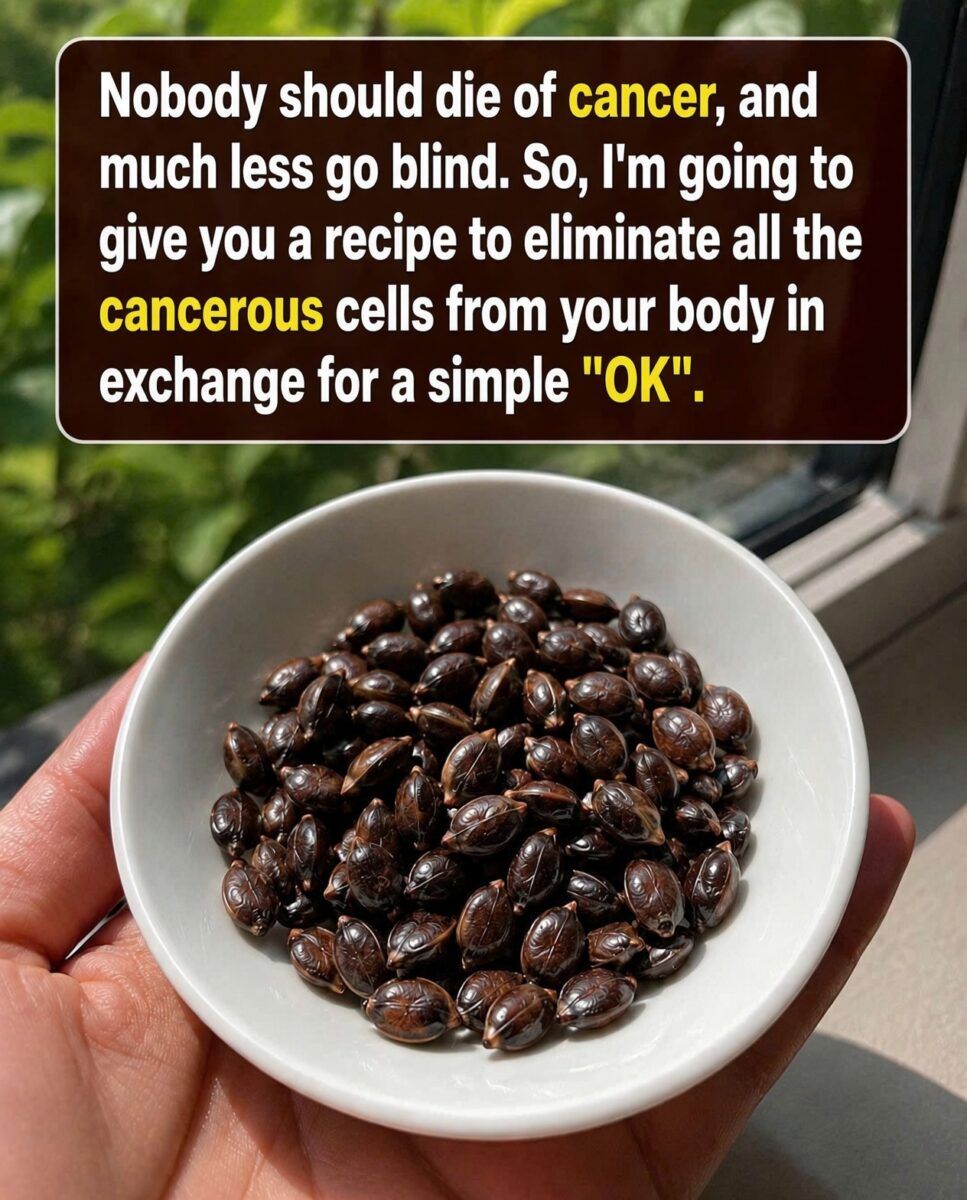
Apple seeds have gained online attention for containing a natural compound called amygdalin, sometimes promoted as “vitamin B17” or laetrile. Some alternative-medicine sources claim that apple seeds may have anticancer properties, but scientific evidence does not prove their use as a treatment for cancer. In fact, consuming large amounts of crushed apple seeds can be harmful, as they may release cyanide in the body.
What is amygdalin? Amygdalin is a natural compound found in the seeds or pits of certain fruits, including apples, apricots, peaches, cherries, plums, and bitter almonds. When apple seeds are chewed or crushed, amygdalin can break down and release hydrogen cyanide, a toxic substance.
Why are apple seeds associated with cancer? The interest arises from historical reports suggesting that amygdalin or laetrile could selectively destroy cancer cells. Some laboratory studies with isolated cells explored potential anticancer effects, but clinical trials in humans have not demonstrated reliable benefits. Medical organizations and experts generally agree that there is currently no proven evidence that apple seeds cure or prevent cancer.
Is “vitamin B17” really a vitamin? Despite the popular name, “vitamin B17” is not recognized as a vitamin by medical or nutritional authorities. The term was used mainly for marketing purposes in discussions about alternative medicine related to amygdalin and laetrile.
Are apple seeds dangerous? Accidentally ingesting a few whole apple seeds is generally not dangerous, as the seed coat is difficult to digest. However, chewing large quantities of seeds can increase cyanide exposure. Possible symptoms of cyanide poisoning may include headache, dizziness, nausea, difficulty breathing, confusion, and weakness. Severe poisoning can be fatal.
What do the studies say? Researchers have studied amygdalin for decades. Although some in-vitro experiments demonstrated effects on cancer cells, these findings have not translated into safe or effective treatments for humans. According to medical sources, products containing concentrated laetrile or amygdalin are not approved as cancer treatments in the United States due to the lack of proven benefits and concerns about their toxicity.
Claims and misinformation online: Sensationalist stories about apple seeds or apricot pits supposedly curing cancer are frequently shared on social networks and online forums. Personal reports are not considered reliable scientific evidence. Health experts generally recommend caution with unproven natural cancer remedies, especially those containing substances that can produce cyanide.
Healthy ways to promote general well-being: Instead of resorting to unproven seed-based remedies, experts usually recommend evidence-based habits that promote general health: consume fruits and vegetables regularly; stay physically active; avoid smoking; limit consumption of processed foods; have regular medical checkups; follow professional medical guidance. Apples, when consumed normally, remain a nutritious fruit, rich in fiber and antioxidants.
Final considerations: Apple seeds contain amygdalin, a compound that can release cyanide when crushed and digested. Although some alternative-medicine sources promote claims about the anticancer properties of amygdalin, or “vitamin B17”, current scientific evidence does not prove the use of apple seeds as a cancer treatment. Accidental ingestion of a few seeds generally causes no harm, but intentional consumption of large quantities is not considered safe. When it comes to cancer prevention or treatment, professional medical guidance and evidence-based care remain essential.


