
When people think about papaya, they usually think about the sweet orange fruit. But did you know that papaya flowers have also been traditionally used in different cultures as a food and herbal ingredient?
Papaya flowers come from the papaya tree (Carica papaya) and can be used in traditional dishes, teas, and other preparations. They contain various naturally occurring plant compounds, including antioxidants and other phytochemicals that have attracted interest from researchers.
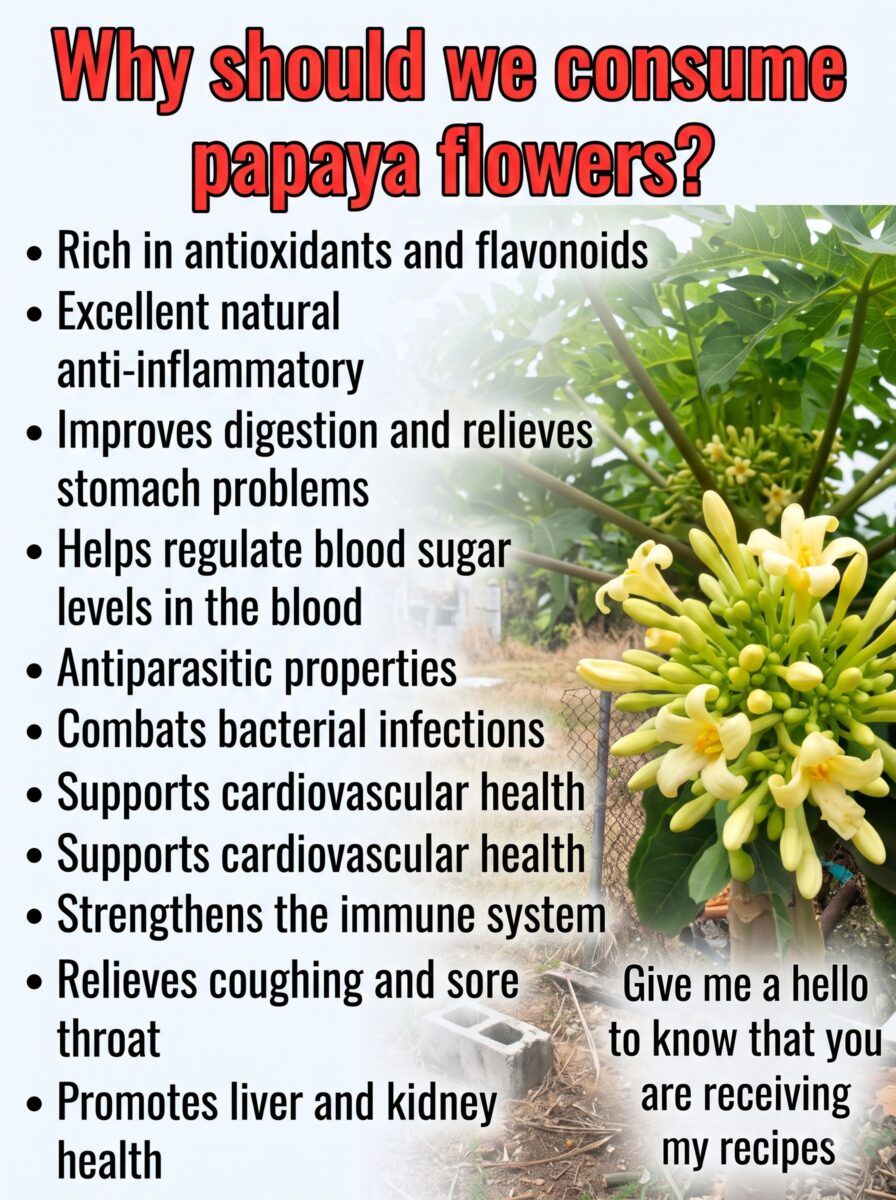
But are papaya flowers really good for you?
There is growing interest in the potential health benefits of edible flowers, including papaya blossoms. While some laboratory and traditional evidence is promising, more human research is needed before papaya flowers can be considered a treatment for any medical condition.
Here are 10 potential reasons people include papaya flowers in their diet.
1. Papaya Flowers Contain Antioxidant Compounds
One of the most interesting characteristics of papaya flowers is their content of naturally occurring plant compounds.
Antioxidants help protect cells from oxidative stress caused by unstable molecules known as free radicals.
Papaya plants contain several phytochemicals, including phenolic compounds and flavonoids. These substances have antioxidant activity in laboratory studies.
Including a variety of colorful plant foods in your diet can help increase your intake of naturally occurring antioxidants.
However, eating papaya flowers should not be viewed as a substitute for a balanced diet.
A healthy eating pattern that includes vegetables, fruits, legumes, whole grains, nuts, and seeds provides a much broader range of protective nutrients.
2. They May Support the Body’s Natural Response to Inflammation
Inflammation is a normal biological process that helps the body respond to injury and infection.
The problem occurs when abnormal or prolonged inflammation is associated with certain chronic health conditions.
Some compounds found in papaya plants have demonstrated anti-inflammatory activity in experimental research. This has led to interest in different parts of the papaya plant, including the flowers.
However, laboratory findings do not automatically mean that consuming papaya flowers will treat inflammation in humans.
For this reason, it is better to think of papaya flowers as a potentially beneficial plant food, rather than a natural anti-inflammatory medicine.
3. Papaya Flowers May Support Digestive Health
Digestive health is influenced by many factors, including diet, hydration, physical activity, stress, sleep, and gut microorganisms.
Traditional food practices in some regions use papaya flowers as part of meals or herbal preparations.
Because papaya flowers contain plant compounds and dietary components, they may contribute to a varied diet that supports normal digestive function.
However, there is not enough evidence to say that papaya flowers can treat ulcers, gastritis, constipation, or other digestive disorders.
If you have persistent stomach pain, vomiting, blood in your stool, unexplained weight loss, or ongoing digestive problems, seek medical advice rather than relying on herbal remedies.
4. They May Help Support Healthy Blood Sugar Levels
One of the claims often associated with papaya flowers is their potential relationship with blood sugar regulation.
Some experimental research involving papaya plant extracts has investigated effects related to glucose metabolism. These findings are interesting, but they do not establish that eating papaya flowers can control diabetes in humans.
Blood sugar regulation depends on many factors, including:
Overall diet
Physical activity
Body weight
Sleep
Stress
Medications
Insulin sensitivity
Individual health conditions
People with diabetes or prediabetes should not replace prescribed medication with papaya flowers or any other herbal preparation.
If you want to include papaya flowers in your diet, discuss it with your healthcare professional, particularly if you take medication that affects blood glucose.
5. Papaya Flowers Have Traditionally Been Associated With Antiparasitic Properties
Traditional medicine has used different parts of the papaya plant for various purposes, including digestive and parasitic concerns.
Some laboratory and animal research has investigated compounds from papaya and their possible effects against certain parasites.
However, this does not mean that eating papaya flowers can eliminate intestinal parasites in humans.
Parasitic infections require appropriate diagnosis and treatment.
Symptoms such as persistent diarrhea, abdominal pain, unexplained weight loss, fatigue, or changes in bowel habits can have many possible causes.
If you suspect a parasite infection, a healthcare professional can recommend appropriate testing and treatment.
6. Papaya Flowers Contain Plant Compounds Studied for Antimicrobial Activity
Another reason papaya plants have attracted scientific interest is their potential antimicrobial activity.
Certain compounds from papaya have demonstrated activity against microorganisms in laboratory settings.
This is an interesting area of research, but there is an important distinction between antimicrobial activity in a laboratory and treating an infection in a person.
Eating papaya flowers should not be considered a replacement for antibiotics or other medical treatment when an infection has been diagnosed.
Good hygiene, safe food preparation, vaccination where appropriate, and proper medical care remain important parts of infection prevention and treatment.
7. They May Contribute to a Heart-Healthy Diet
A healthy cardiovascular system depends on an overall lifestyle rather than one particular food.
Eating a variety of vegetables and plant foods is generally encouraged as part of a heart-supportive eating pattern.
Papaya flowers can be incorporated into meals as one of many plant-based ingredients.
Their naturally occurring antioxidants and phytochemicals make them an interesting addition to a diverse diet.
However, there is currently no strong evidence that papaya flowers alone can prevent heart disease, lower cholesterol, or treat high blood pressure.
For cardiovascular health, focus on the bigger picture:
Eat plenty of vegetables and fruits.
Choose high-fiber foods.
Stay physically active.
Avoid smoking.
Limit excessive alcohol intake.
Maintain a healthy weight.
Monitor blood pressure and cholesterol when appropriate.
8. Papaya Flowers May Provide Compounds That Support Overall Wellness
The immune system is a complex network involving cells, tissues, organs, and signaling molecules.
No single food can “boost” the immune system in a guaranteed way.
Nevertheless, a nutritious diet provides the vitamins, minerals, protein, fiber, and plant compounds that the body needs to maintain normal immune function.
Papaya flowers can potentially contribute to dietary variety when prepared as part of a balanced meal.
Other nutrient-rich foods are equally important, including leafy greens, citrus fruits, berries, beans, nuts, seeds, whole grains, eggs, fish, and other protein sources.
The best approach is to build a varied diet rather than depending on one ingredient.
9. Traditional Uses Include Supporting Respiratory Comfort
In some traditional practices, papaya flowers have been prepared as teas or food-based remedies for cough and throat discomfort.
This traditional use is one reason papaya flowers continue to attract attention.
However, traditional use is not the same as clinical evidence.
A cough can have many causes, including a common cold, allergies, asthma, acid reflux, respiratory infections, and other conditions.
If a cough persists, becomes severe, is accompanied by difficulty breathing, chest pain, coughing up blood, or a high fever, medical evaluation is important.
For mild throat discomfort, staying hydrated and using appropriate supportive care may help—but papaya flowers should not be considered a cure for respiratory disease.
10. Papaya Flowers May Be Part of a Balanced, Plant-Rich Diet
Perhaps the most practical reason to consider papaya flowers is simply that they are another edible plant ingredient that can add variety to meals.
Different plant foods provide different combinations of nutrients and phytochemicals.
Instead of searching for one “miracle” food, nutrition experts generally emphasize dietary variety.
Papaya flowers can potentially be prepared with other vegetables, herbs, spices, and protein sources to create a nutritious meal.
The preparation method also matters.
Deep-frying or adding large amounts of salt, sugar, or unhealthy fats can change the nutritional profile of a dish.
Simple cooking methods may be preferable when the goal is to maintain an overall healthy eating pattern.
How Can Papaya Flowers Be Prepared?
Papaya flowers may be used in different traditional cuisines.
Depending on the variety and local culinary practices, they can be:
Cooked as a vegetable
Added to soups
Stir-fried with other ingredients
Included in traditional dishes
Prepared as a herbal infusion
If you are trying papaya flowers for the first time, start with a small culinary portion rather than consuming large quantities as a concentrated herbal remedy.
Make sure the flowers are properly identified, thoroughly cleaned, and prepared using safe food-handling practices.
Are Papaya Flowers Safe for Everyone?
Natural does not automatically mean risk-free.
Papaya flowers are used as food in some cultures, but concentrated preparations may behave differently from ordinary culinary portions.
People who are pregnant, breastfeeding, taking prescription medications, managing diabetes, or living with chronic medical conditions should be particularly cautious about concentrated herbal preparations.
Allergic reactions are also possible with foods and plants.
If you develop symptoms such as swelling, difficulty breathing, severe rash, or other signs of an allergic reaction after consuming papaya flowers, seek immediate medical attention.
Papaya Flowers vs. Papaya Fruit
The papaya fruit is much more familiar and has a well-established nutritional profile.
Ripe papaya provides nutrients such as vitamin C, carotenoids, fiber, and other plant compounds.
Papaya flowers, meanwhile, are generally consumed for their culinary and traditional uses.
They should not necessarily be viewed as a replacement for the fruit.
A varied diet can include different edible parts of plants when they are safe and traditionally prepared.
Can Papaya Flowers Treat Diabetes?
This is an important question because papaya flowers are sometimes promoted online as a natural diabetes remedy.
At present, it would be misleading to say that eating papaya flowers can treat or cure diabetes.
Some experimental research has investigated papaya-derived compounds and glucose-related effects, but laboratory or animal findings are not enough to establish a treatment for humans.
If you have diabetes, continue following your prescribed treatment plan.
Healthy eating, regular physical activity, appropriate medications, blood glucose monitoring, and routine medical care are much more important than relying on one plant or herbal recipe.
Can Papaya Flowers Cleanse the Kidneys or Liver?
Another popular claim about herbal foods is that they can “cleanse” or “detox” the liver and kidneys.
Your liver and kidneys already perform important processes that help regulate and eliminate substances from the body.
There is no need to rely on a special tea or flower to “flush toxins” from healthy organs.
Papaya flowers may be part of a nutritious diet, but there is insufficient evidence to claim that they can detoxify the liver or cleanse the kidneys.
For kidney and liver health, maintaining healthy blood pressure, controlling blood sugar when needed, avoiding excessive alcohol, staying appropriately hydrated, and following medical advice are much more meaningful strategies.
The Bottom Line
Papaya flowers are an interesting traditional food that contains naturally occurring plant compounds, including antioxidants and other phytochemicals.
Potential areas of interest include antioxidant activity, digestive health, inflammatory pathways, glucose metabolism, and antimicrobial properties.
But it is important to separate traditional use and laboratory research from proven medical benefits.
Papaya flowers should not be presented as a cure for diabetes, infections, parasites, kidney disease, liver disease, or other medical conditions.
Instead, consider them one possible ingredient in a diverse and balanced diet.
The healthiest approach is not to search for a single miracle food. It is to build sustainable habits around nutritious foods, regular movement, adequate sleep, stress management, and appropriate medical care.
Medical Disclaimer
This article is for general educational purposes only and is not intended to diagnose, treat, cure, or prevent any disease. Traditional uses and preliminary research do not establish that papaya flowers are an effective treatment for medical conditions. If you have a health condition or take medication, consult a qualified healthcare professional before using concentrated herbal preparations.


