
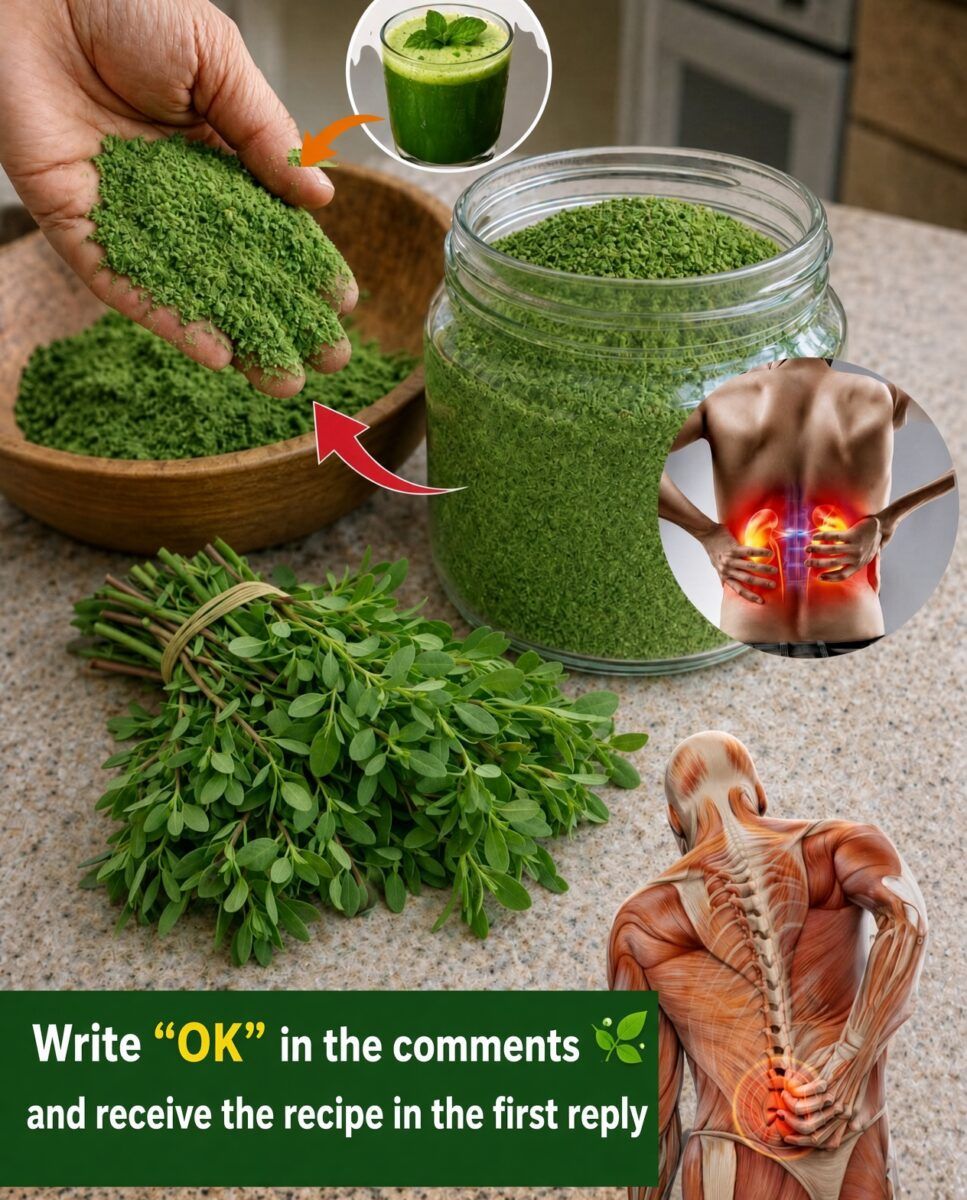
On an ordinary market morning, a lady calmly pulled a small bunch of green leaves from her shopping bag. Some people looked on with curiosity. To anyone unfamiliar, that plant could easily pass for a weed pulled from the backyard — but she knew exactly what she was doing. That humble “weed” was purslane.
What Is Purslane?
Purslane (Portulaca oleracea), known as beldroega in Portuguese, is a low-growing succulent with fleshy, paddle-shaped leaves and tiny yellow flowers. It sprouts readily in gardens, sidewalk cracks, and vegetable patches — which is why so many people dismiss it as a weed. Yet this resilient little plant has been eaten and used in folk traditions for centuries across Europe, Asia, and the Americas.
Traditional Uses and Possible Health Benefits
Purslane has a long history in traditional kitchens and herbal practices. It is often described as a surprisingly nutritious leafy green:
- It provides vitamin A, vitamin C, and minerals such as potassium, magnesium, and iron.
- It is one of the few plant foods that contain omega-3 fatty acids (alpha-linolenic acid).
- Its juicy leaves are rich in antioxidants.
These qualities make purslane a genuinely interesting addition to a varied diet — but it is still just food, not medicine. Its nutritional value is real; dramatic cure claims are not supported.
Simple Ways to Use It
If you find fresh, clean purslane — ideally from your own garden or a trusted market, away from roadsides and pesticides — try it:
- In a salad: toss a handful of fresh leaves and tender stems with tomatoes, cucumber, olive oil, and lemon. Its slightly lemony, crunchy texture is refreshing.
- As a tea: steep a small handful of fresh leaves in hot water for a few minutes, then strain.
- In soups and stews: add it near the end of cooking, much like spinach.
Wash it thoroughly before eating, as with any leafy green.
An Important Caution for the Kidneys
Purslane is naturally high in oxalates, compounds that can contribute to kidney stone formation in sensitive individuals. People with kidney problems, a history of kidney stones, or those taking certain medications should consult a healthcare professional before eating purslane regularly. As with any wild or unfamiliar plant, moderation and reliable identification matter.
Don’t ignore this “weed” — but don’t worship it either. Purslane is a modest, nutritious green with real culinary charm, best enjoyed sensibly as part of a balanced diet.


