
High cholesterol has become a serious global health problem, affecting millions of people of all ages. One of the most alarming aspects of this condition is that it often presents no obvious symptoms. In most cases, people are unaware of their situation until they undergo blood tests or face serious complications. Understanding the symptoms of high cholesterol is essential to act promptly and prevent serious health consequences.
There are some indirect symptoms that may be related to high cholesterol levels. These symptoms may not seem alarming at first glance, but they are indicative of underlying problems that can lead to more serious conditions. If you notice unusual changes in your body, it is essential to be vigilant and consult your doctor for regular checkups.
Recognizing the symptoms of high cholesterol
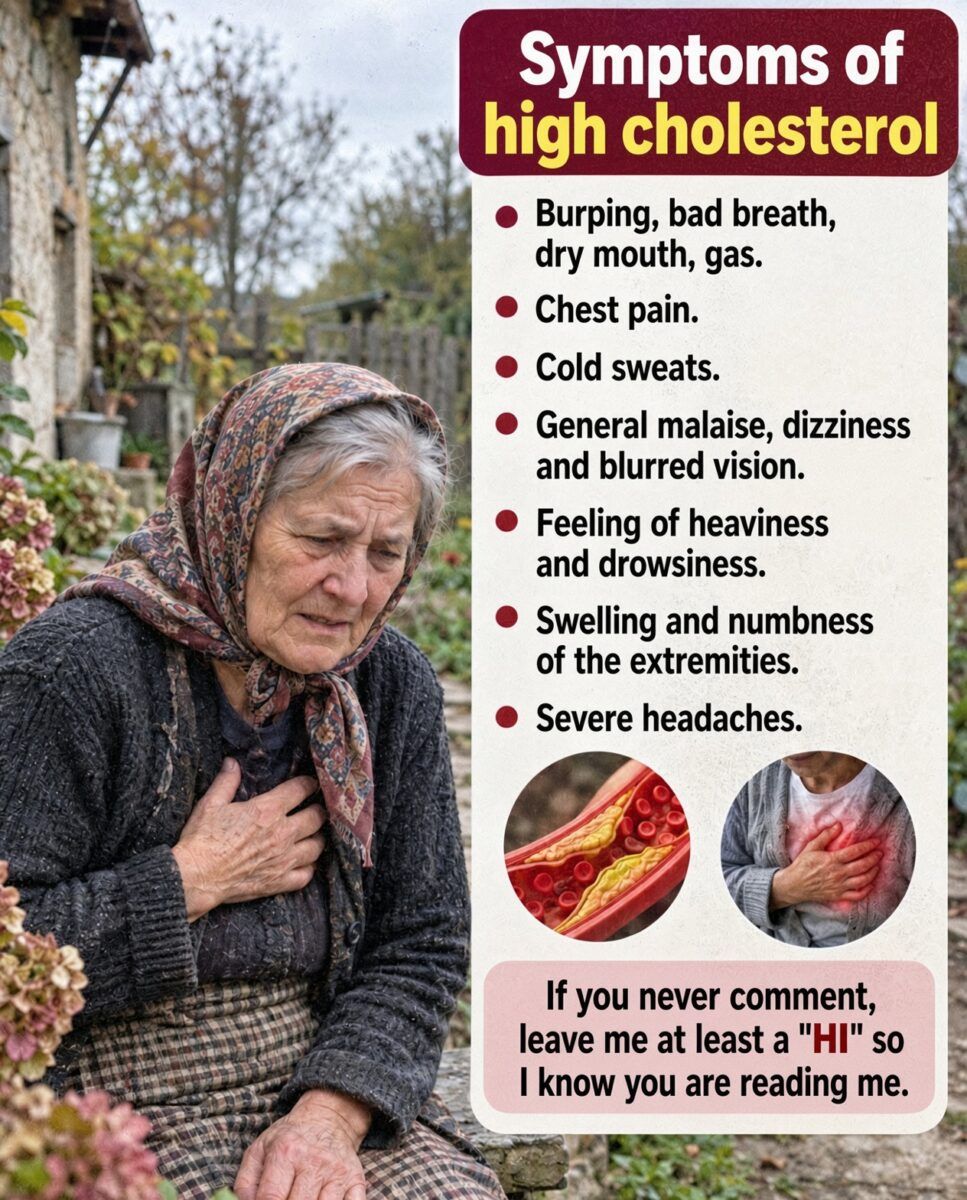
The symptoms of high cholesterol tend to be mild, but it is essential to learn to recognize them. Below are some of the most common signs that may indicate a problem with cholesterol levels:
- Chest pain: Chest pain, clinically known as angina, can be a sign of artery blockage due to cholesterol deposits. This symptom requires immediate medical attention.
- Fatigue or shortness of breath: if you feel a constant lack of energy or have difficulty breathing, it could be an indication of cardiovascular problems related to high cholesterol.
- Xanthomas: these are fatty deposits that accumulate under the skin, often visible in areas such as elbows, knees, and eyelids. Their presence is a clear indicator of high cholesterol levels.
- Xanthelasmas: these are yellowish spots or bumps that appear around the eyes and are another warning sign of high cholesterol.
- Corneal arc: a white or gray ring around the iris is not only a sign of aging, but in young people it can indicate concerning cholesterol levels.
- Circulation problems: intermittent claudication, or leg pain while walking, is a manifestation of circulation problems caused by clogged arteries.
Consequences of untreated high cholesterol
Ignoring high cholesterol levels can have devastating effects on health. Some of the main consequences if the problem is not addressed properly:
- Heart attack: one of the most serious risks is a heart attack, which occurs when blood flow to the heart is significantly blocked.
- Stroke: high cholesterol levels can clog the arteries that supply the brain, causing a stroke.
- Peripheral artery disease: this condition can compromise blood flow to the extremities, causing pain and fatigue.
Detection of high cholesterol
The only reliable way to check if cholesterol levels are high is through a blood test known as a lipid profile. Healthy adults are recommended to undergo this test every 4-6 years, and more frequently if risk factors such as obesity, hypertension, smoking, or family history of heart disease are present. This test provides a clear picture of cardiovascular health and allows for informed decisions.
Foods that help lower cholesterol
Diet plays a crucial role in managing cholesterol levels. Integrating certain foods into your diet can help lower LDL (“bad”) cholesterol and raise HDL (“good”) cholesterol. Consider:
- Oats: rich in soluble fiber, helps reduce LDL cholesterol.
- Nuts: walnuts and almonds are excellent for improving cholesterol levels.
- Legumes: beans and lentils are a good source of fiber that contributes to heart health.
- Fatty fish: salmon, sardines, and other omega-3-rich fish are beneficial for the heart.
- Avocado: this fruit is rich in healthy fats that help lower LDL cholesterol.
- Olive oil: using olive oil in cooking can help improve the lipid profile.
Lifestyle changes to control cholesterol
In addition to a balanced diet, lifestyle changes can be essential to maintain healthy cholesterol levels:
- Regular exercise: at least 30 minutes of moderate physical activity five times a week can help increase HDL cholesterol.
- Weight control: maintaining a healthy weight helps lower LDL cholesterol and improves overall health.
- Avoid tobacco: smoking negatively affects cholesterol levels and cardiovascular health.
- Reduce alcohol consumption: moderate alcohol consumption can have benefits, but excess can worsen cholesterol levels.
Conclusion
Identifying and addressing the symptoms of high cholesterol is essential to prevent serious health complications. Regular monitoring through blood tests and changes in diet and lifestyle are crucial steps to ensure cholesterol levels remain within a healthy range. Remember that taking care of your heart and your health in general is one of the best decisions you can make.
This article is for informational and educational purposes only and is not medical advice. Please consult a qualified healthcare professional before making changes to your diet or health routine.


