
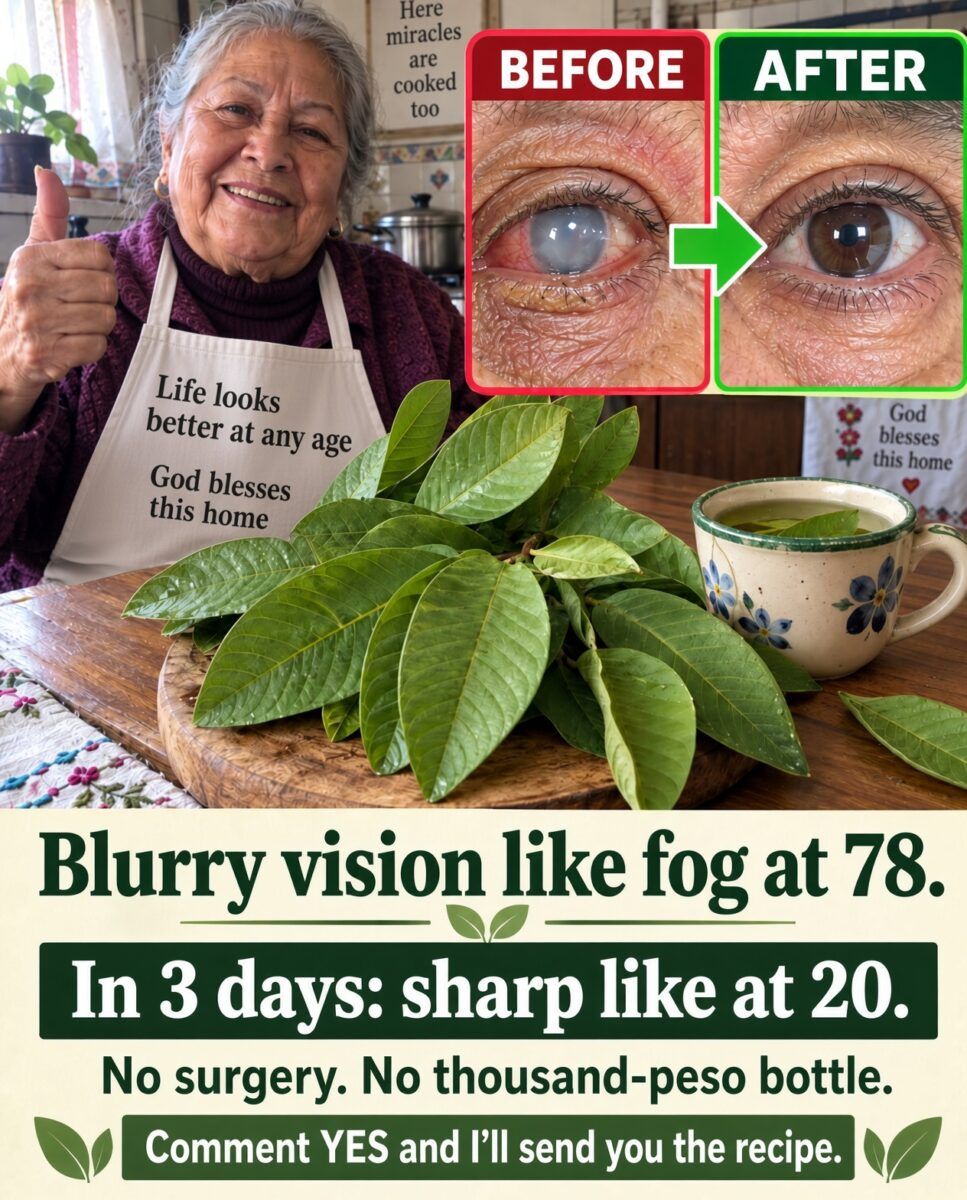
When vision starts looking cloudy, reading becomes tiring, signs feel farther away, and even recognizing faces can frustrate. The worst part isn’t just the discomfort: fear also appears that “there’s nothing left to do.” That feeling wears you down, worries you, and makes many people try anything promising quick results. But before falling for exaggerated promises, it’s worth understanding what really helps and which signals you shouldn’t ignore.
Why vision feels “cloudy” — and why you shouldn’t normalize it
Blurry vision isn’t one single thing. Sometimes it appears from tiredness, dryness, age-related changes, or too much time in front of screens. In other cases, it can relate to eye problems needing professional evaluation. The key is not assuming it’s “normal for your age” without reviewing the context.
The reality is many people gradually get used to seeing worse. And since the change is gradual, they minimize it. But that habit delays proper attention and makes the problem more annoying in daily life.
What may be behind the visual discomfort
Before thinking about quick fixes, it’s worth knowing the most common causes. According to general information from institutions like Mayo Clinic and the American Academy of Ophthalmology, blurry vision can relate to several everyday factors: visual fatigue from prolonged screens or reading; dry eye, especially in air-conditioned or windy environments; natural focusing changes with age; need to adjust lenses or prescription; changes in blood sugar control, in some people.
But that’s not all. Insufficient sleep, dehydration and seemingly harmless habits also play a role — like frequently rubbing your eyes or working long hours without breaks.
The part almost nobody explains: your eyes need real rest too
Most people look for a “secret recipe,” but visual health responds better to consistent habits than to miraculous promises. Studies on digital visual fatigue show that regular breaks reduce eye discomfort and improve tolerance to prolonged screen work.
The eye also works better when the body is well hydrated, sleeps enough and receives balanced nutrition. It’s not magic — it’s giving the body the conditions to work better.
Habits that actually support visual health
If you want to care for your eyesight practically, these measures are a good starting point — simple, safe and easy to incorporate at home: take short breaks every 20 minutes when using screens; blink intentionally to help keep the eye surface comfortable; avoid reading in very dim light; rest well at night; drink enough water during the day; wear lenses with the correct prescription if they’ve been indicated to you. These actions don’t promise miracles, but they do help reduce visual overload.
What to do if you want to care for your vision starting today
1. Reduce screen overexposure. If you work with a phone or computer, schedule short breaks — just cut the accumulated fatigue. 2. Improve lighting. Reading or looking at your phone in low light strains the eye more — find comfortable light without direct glare. 3. Watch your hydration. Drinking water regularly helps overall well-being, including eye comfort. 4. Check your lenses or prescription. If you already use visual correction and still strain, maybe it’s not “habit” — maybe an adjustment is needed. 5. Schedule an evaluation if symptoms persist. If blurry vision continues, worsens or appears suddenly, consult an eye health professional.
Warning signs you shouldn’t ignore
Sudden worsening of vision. Eye pain or persistent redness. Flashes, new spots or shadows in the visual field. Increasing difficulty seeing near or far. Visual discomfort that doesn’t improve with rest. The idea isn’t to alarm you — it’s to keep a simple problem from becoming a bigger burden by waiting too long.
What to distrust on social media
Online there are plenty of posts promising quick results, no effort and no professional evaluation. They usually use emotional phrases, impactful “before and after” images and calls to comment for a “special recipe.” It sounds convincing, but it often omits the most important thing: every case is different.
Visual health doesn’t improve responsibly with generic promises. What works for one person may not work for another — serious recommendations are based on habits, professional review and follow-up when needed. If something promises to change your vision in a few days without explaining the context, the prudent thing is to stop and check the source.
Frequently asked questions
Does blurry vision always mean something serious? Not always. Sometimes it relates to tiredness, dryness or the need to adjust lenses. But if it appears suddenly or worsens, professional evaluation is warranted.
Does resting from screens really help? Yes. Visual breaks can reduce eye fatigue and make prolonged screen use more bearable, especially if applied consistently.
When should I see a specialist? If blurry vision persists, worsens, comes with pain, redness or sudden visual changes, consulting without delay is most advisable.
This article is for informational and educational purposes only and is not medical advice. Please consult a qualified healthcare professional before making changes to your diet or health routine.


