
Discover the potential health benefits of tomato juice, including its antioxidants, support for heart health, and role in a balanced diet. Learn how to prepare fresh tomato juice and enjoy it safely.
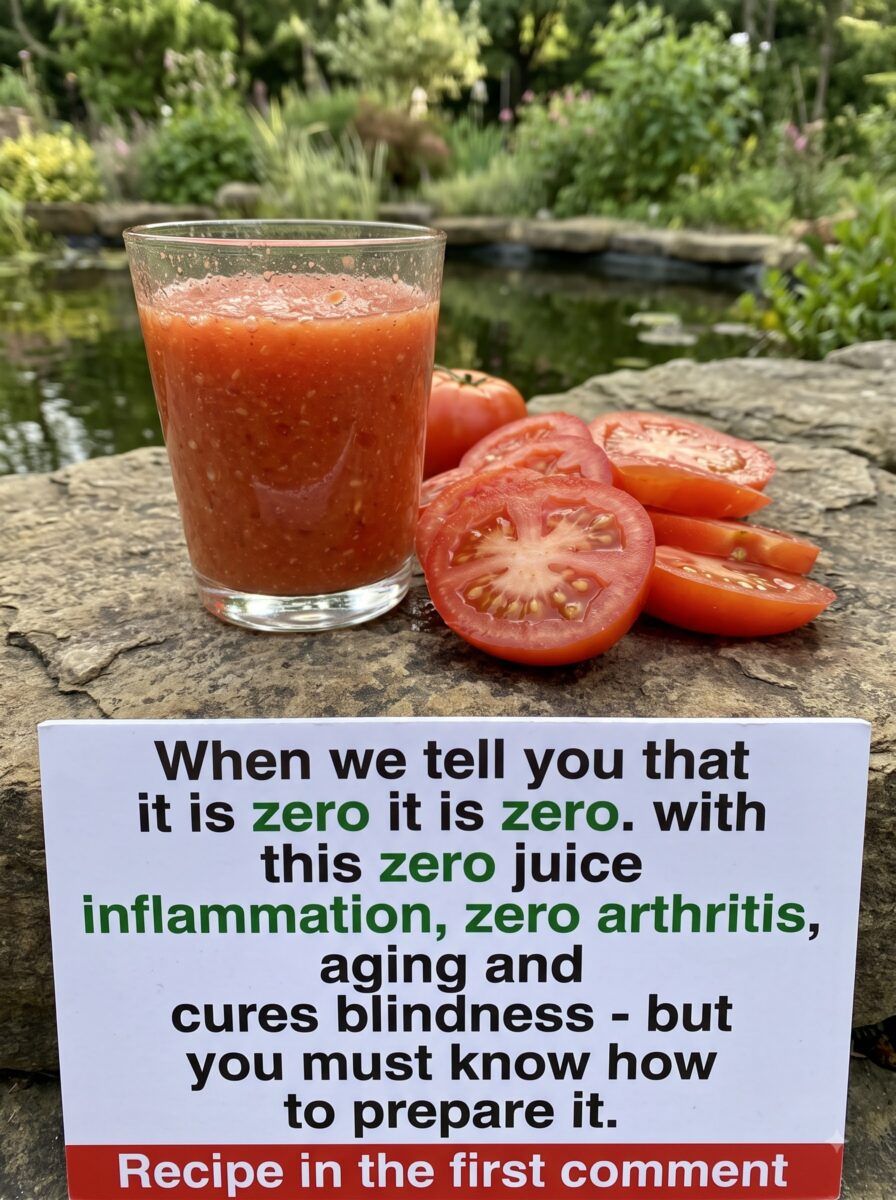
🍅 The Power of Tomato Juice: A Simple Drink Packed With Nutrients
What if a simple glass of tomato juice could add more nutrients and beneficial plant compounds to your daily routine?
Tomatoes are common kitchen ingredients, yet they contain several valuable nutrients that support overall health. From their bright red color to their naturally occurring antioxidants, tomatoes have attracted considerable attention in nutrition research.
Some online claims suggest that a special tomato juice recipe can eliminate inflammation, cure arthritis, stop aging, or restore eyesight. While these promises may sound exciting, no tomato juice recipe has been proven to cure these conditions.
The good news is that fresh tomato juice can still be a nutritious addition to a balanced diet. Let’s explore its potential benefits, the science behind its key compounds, and a simple way to prepare it at home.
1. Why Are Tomatoes So Good for You?
Tomatoes contain several nutrients and plant compounds that contribute to a healthy eating pattern.
Lycopene: The Antioxidant Behind the Red Color
Lycopene is a natural pigment responsible for much of the red color in tomatoes. It belongs to a group of plant compounds called carotenoids.
Lycopene has antioxidant properties, meaning it can help protect cells from oxidative damage under certain conditions. Researchers have studied its potential relationship with cardiovascular health and other long-term health outcomes.
However, eating tomatoes does not guarantee protection against a particular disease, and research findings vary depending on the outcome being studied.
Vitamin C for Normal Immune Function
Tomatoes provide vitamin C, an essential nutrient that supports normal immune function, collagen production, and wound healing.
Including tomatoes and other vitamin C-rich foods in your diet can help you meet your daily nutritional needs.
Potassium for Heart and Muscle Function
Tomatoes contain potassium, a mineral involved in maintaining normal fluid balance, nerve signaling, and muscle contraction.
Adequate potassium intake can contribute to healthy blood pressure in many people. However, individuals with certain kidney conditions may need to limit potassium according to their healthcare professional’s advice.
2. Can Tomato Juice Help Reduce Inflammation?
Inflammation is part of the body’s natural response to injury and infection. Problems can arise when inflammatory processes persist or become dysregulated.
Tomatoes contain lycopene and other compounds that researchers are investigating for their potential effects on oxidative stress and inflammatory markers.
Some studies suggest that tomato products may influence certain markers associated with inflammation, but the evidence is not sufficient to conclude that tomato juice treats chronic inflammatory diseases.
You can include tomatoes in an overall healthy eating pattern alongside other practical habits, such as:
- Eating a variety of fruits and vegetables.
- Choosing whole grains and suitable sources of protein.
- Staying physically active.
- Getting adequate sleep.
- Avoiding smoking.
Tomato juice is a nutritious food, not a substitute for medical treatment for inflammatory conditions.
3. Is Tomato Juice Good for Arthritis?
Arthritis describes a group of conditions that cause joint pain, stiffness, or inflammation. Different types of arthritis have different causes and require different approaches to treatment.
Because tomatoes contain antioxidant compounds, some people are interested in whether they may help support joint health.
However, there is no strong clinical evidence that drinking tomato juice cures arthritis, reverses joint damage, or reliably eliminates joint pain.
For people living with arthritis, a balanced diet, appropriate exercise, weight management when relevant, and recommended medical care are more reliable ways to support overall well-being.
If you notice that tomatoes appear to worsen your symptoms, discuss your dietary concerns with a healthcare professional rather than making broad food restrictions without a clear reason.
4. Can Tomato Juice Improve Eyesight?
Tomatoes provide nutrients that contribute to general health, but they are not a proven treatment for vision problems.
Eye health depends on several factors, including age, genetics, overall nutrition, and underlying medical conditions.
Tomatoes contain vitamin C and carotenoids, but they are not especially rich sources of the eye-related carotenoids lutein and zeaxanthin compared with certain leafy green vegetables.
To support healthy vision, consider eating a varied diet that includes leafy greens, colorful vegetables, fruit, eggs, and other nutrient-rich foods.
Regular eye examinations are also important.
Important: Tomato juice cannot cure blindness, reverse cataracts, or restore vision lost through retinal or optic nerve damage. Sudden vision loss requires immediate emergency medical assessment.
5. Does Tomato Juice Stop Aging?
Aging is a natural biological process influenced by genetics, lifestyle, and environmental factors.
The antioxidant compounds in tomatoes are being studied for their potential role in protecting cells from oxidative stress. However, there is no evidence that drinking tomato juice stops aging or reverses the aging process.
A more realistic approach to healthy aging includes:
- Eating a nutrient-rich diet.
- Protecting your skin from excessive sun exposure.
- Exercising regularly.
- Getting sufficient sleep.
- Avoiding tobacco.
- Maintaining social connections and regular preventive healthcare.
Tomato juice can contribute nutrients to this lifestyle, but it should not be viewed as an anti-aging cure.
6. How to Make Fresh Tomato Juice at Home
You do not need expensive ingredients to enjoy the natural flavor of tomatoes. This simple recipe uses fresh produce and avoids added sugar.
Ingredients
- 3 medium ripe tomatoes
- ¼ cup (60 ml) drinking water, or more as needed
- A small squeeze of fresh lemon juice, optional
- A small pinch of black pepper, optional
Instructions
Step 1: Wash the tomatoes.
Rinse the tomatoes thoroughly under clean running water.
Step 2: Cut into pieces.
Remove any damaged areas and cut the tomatoes into smaller chunks.
Step 3: Blend until smooth.
Place the tomatoes and water in a blender. Blend until the mixture reaches your preferred consistency.
Step 4: Add optional ingredients.
Add a little lemon juice or black pepper if desired. Avoid adding excessive salt.
Step 5: Serve fresh.
Pour into a clean glass and enjoy. You can keep the pulp to retain the fiber.
Should You Drink Tomato Juice Every Day?
For many healthy adults, a moderate serving of unsalted tomato juice can fit into a balanced diet. There is no established amount that prevents inflammation, treats arthritis, or improves eyesight.
Whole tomatoes are also an excellent choice because they provide fiber and can be incorporated into a wide variety of meals.
7. Who Should Be Careful With Tomato Juice?
Although tomatoes are safe for most people, some individuals may need to adjust their intake.
- People with acid reflux: The acidity of tomatoes may aggravate symptoms.
- People with chronic kidney disease: Potassium intake may need to be monitored.
- People following a sodium-restricted diet: Choose fresh tomatoes or unsalted juice rather than high-sodium commercial products.
- People with tomato allergies: Avoid tomatoes and seek medical advice if allergic symptoms occur.
If you have a medical condition or follow a specialized diet, ask your healthcare professional whether tomato juice is suitable for you.
8. Simple Ways to Include Tomatoes in Your Daily Diet
Fresh tomato juice is only one way to enjoy this versatile fruit.
You can also:
- Add sliced tomatoes to salads.
- Blend tomatoes into homemade soups.
- Combine chopped tomatoes with beans and whole grains.
- Prepare homemade tomato sauce with herbs and minimal added salt.
- Pair tomatoes with a source of healthy fat, such as olive oil, as part of a balanced meal.
Cooking tomatoes can make lycopene more bioavailable in some preparations, particularly when a little oil is included. Fresh and cooked tomatoes can both contribute valuable nutrients to your diet.
Final Thoughts: A Simple Drink With Real Nutritional Value
Tomato juice is more than a refreshing red beverage. It supplies vitamin C, potassium, lycopene, and other compounds that can contribute to a varied and balanced diet.
Although research continues to investigate the relationship between tomato compounds and health, there is no reliable evidence that tomato juice eliminates inflammation, cures arthritis, stops aging, or reverses blindness.
Enjoy it for its flavor and nutritional value rather than as a miracle remedy. When it comes to protecting your joints, eyes, and long-term health, a balanced lifestyle and appropriate medical care remain essential.
Disclaimer: This article is for educational purposes only and does not replace professional medical advice, diagnosis, or treatment.


