
Have you ever noticed that your eyes feel tired after spending hours looking at a phone or computer screen? Or perhaps you have started paying more attention to your vision as you get older?
When changes in eyesight appear, it is natural to look for simple ways to support overall eye health.
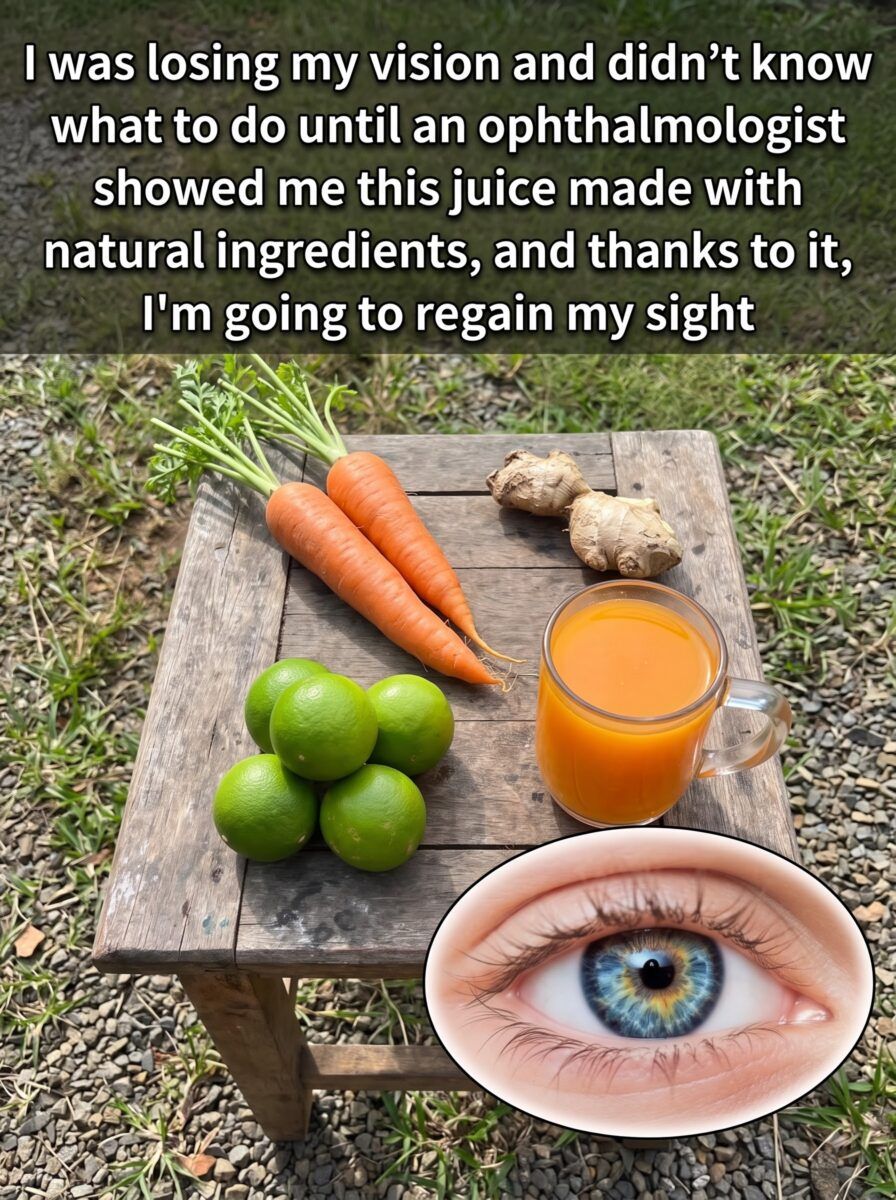
One popular homemade drink combines carrots, ginger, and lime. The bright orange color makes this juice look refreshing, while the ingredients provide a variety of vitamins, antioxidants, and plant compounds.
You may have seen social media posts claiming that this drink can restore lost eyesight or eliminate the need for glasses. Those claims go too far. No homemade juice has been proven to reverse vision loss or cure eye disease.
However, a balanced diet containing nutrient-rich fruits and vegetables can play an important role in supporting normal eye function.
So, what makes this simple combination interesting?
Why Carrots Are Associated With Eye Health
Carrots have been associated with healthy eyesight for generations—and there is a scientific reason behind the reputation.
Carrots are rich in beta-carotene, a natural orange pigment that the body can convert into vitamin A.
Vitamin A plays an important role in normal vision, particularly in the functioning of the retina. Adequate vitamin A is necessary for normal vision in low-light conditions.
This does not mean that eating extra carrots will suddenly give someone perfect eyesight.
Instead, carrots are one nutritious food that can contribute to an overall healthy diet.
Beta-Carotene and Vitamin A
Beta-carotene belongs to a group of plant pigments called carotenoids.
When you eat foods containing beta-carotene, your body can convert some of it into vitamin A according to its needs.
Vitamin A contributes to:
- Normal vision
- Normal functioning of the immune system
- Maintenance of normal skin and mucous membranes
- Normal cellular processes
This is one reason colorful vegetables such as carrots are worth including in your regular meals.
What About Ginger?
Ginger is another ingredient commonly used in homemade drinks.
Known for its distinctive spicy flavor and aroma, ginger contains naturally occurring compounds called gingerols and related compounds.
Ginger has traditionally been used in many cultures as a culinary ingredient and in various traditional preparations.
Adding a small piece of fresh ginger to a juice can provide a pleasant warming flavor that balances the sweetness of carrots and the acidity of lime.
While ginger is often discussed in connection with antioxidant and anti-inflammatory properties, research on specific health outcomes is still evolving.
It is therefore better to think of ginger as a flavorful plant ingredient rather than a treatment for an eye condition.
Why Add Lime?
Lime gives this juice its fresh, citrusy taste.
It also provides vitamin C, an essential nutrient with antioxidant properties.
Vitamin C helps protect cells from oxidative stress and contributes to normal collagen formation and normal immune function.
Limes are also an easy way to make a homemade vegetable juice more refreshing without adding refined sugar.
If the juice tastes too sour, you can adjust the amount of lime according to your preference.
A Simple Carrot, Ginger and Lime Juice Recipe
If you enjoy fresh homemade juices, this combination is easy to prepare.
Ingredients
- 2 medium fresh carrots
- A small piece of fresh ginger
- 1 fresh lime
- ½–1 cup of clean water, depending on the desired consistency
- Ice cubes, optional
How to Prepare It
1. Wash the ingredients thoroughly.
Rinse the carrots, ginger, and lime under clean running water.
If the carrots are not organic or if you prefer, peel them before using.
2. Cut the carrots into smaller pieces.
This makes them easier to blend.
3. Prepare the ginger.
Peel a small piece of fresh ginger and slice it into thin pieces.
Because ginger has a strong flavor, a little can go a long way.
4. Blend the carrots and ginger.
Place the carrots and ginger into a blender. Add some clean water and blend until smooth.
5. Add fresh lime juice.
Squeeze the lime into the mixture and blend briefly again.
6. Strain if desired.
You can drink the juice as it is for more fiber, or strain it if you prefer a smoother texture.
7. Serve fresh.
Pour into a glass and add a few ice cubes if desired.
For the best taste, consume the juice soon after preparation.
Can This Juice Restore Lost Vision?
This is one of the most important questions to answer honestly.
No. Carrot, ginger, and lime juice cannot be relied upon to restore lost eyesight.
If someone has blurry vision, sudden vision changes, cataracts, glaucoma, diabetic eye disease, macular degeneration, retinal problems, or another eye condition, drinking juice should not replace professional medical care.
Vision loss can have many different causes, and the appropriate treatment depends on the underlying problem.
For example, nutritional deficiency-related vision problems may require correction of the deficiency, while conditions such as cataracts or glaucoma may require specific medical treatment.
That is why an eye examination is important when vision changes occur.
Why Does the “Carrot Juice Restored My Vision” Story Sound Convincing?
Carrots have a genuine connection with vitamin A and normal vision, so it is easy for exaggerated online claims to develop around them.
There is an important difference between supporting normal eye nutrition and reversing an eye disease.
If a person has an inadequate intake of vitamin A, improving their nutrition can be important for maintaining normal vision.
But someone with an eye disease should not assume that consuming large quantities of carrots or carrot juice will reverse the condition.
More is not always better.
Nutrients That Matter for Eye Health
Eye health is influenced by many factors, including age, genetics, lifestyle, existing medical conditions, and nutrition.
Instead of focusing on one “miracle” ingredient, it is generally more useful to eat a varied diet containing different nutrient-rich foods.
Some nutrients and food components that are commonly associated with eye health include:
Vitamin A
Found in foods such as carrots, sweet potatoes, spinach, and other orange or dark-green vegetables.
Vitamin A is important for normal vision.
Vitamin C
Found in citrus fruits, berries, bell peppers, tomatoes, and many other fruits and vegetables.
Vitamin C acts as an antioxidant and supports several normal body functions.
Vitamin E
Found in foods such as nuts, seeds, and certain vegetable oils.
Vitamin E also has antioxidant properties.
Lutein and Zeaxanthin
These carotenoids are naturally found in leafy green vegetables and several other foods.
They are present in the retina and are being studied for their relationship with eye health.
Omega-3 Fatty Acids
Fatty fish such as salmon, sardines, and mackerel provide omega-3 fatty acids and can be part of a balanced eating pattern.
The key message is simple: overall dietary quality matters more than one individual drink.
Other Foods That Support a Healthy Diet for Your Eyes
If your goal is to take better care of your eyes through nutrition, consider including a variety of colorful foods.
Leafy Greens
Spinach, kale, broccoli, and other dark-green vegetables provide several vitamins, minerals, and carotenoids.
Eggs
Eggs provide nutrients including lutein and zeaxanthin, along with protein and other vitamins.
Fatty Fish
Salmon, sardines, and other oily fish provide omega-3 fatty acids.
Citrus Fruits
Oranges, grapefruit, lemons, and limes provide vitamin C.
Nuts and Seeds
Almonds, sunflower seeds, walnuts, and other nuts and seeds can provide healthy fats and vitamin E.
Orange Vegetables
Carrots, pumpkin, and sweet potatoes are rich in carotenoids.
A colorful plate is often a good starting point for a nutrient-rich diet.
Important: When Vision Changes Need Medical Attention
Not every vision problem should be handled with dietary changes.
Seek prompt medical attention if you experience:
- Sudden loss of vision
- A sudden increase in floaters
- Flashes of light
- A dark curtain or shadow across your vision
- Severe eye pain
- Sudden double vision
- Significant or rapidly worsening blurry vision
- A new distortion in your vision
These symptoms can sometimes indicate an urgent eye problem.
Even when symptoms are mild, persistent changes in eyesight deserve professional evaluation.
A Healthy Lifestyle Matters Too
Nutrition is only one part of maintaining eye health.
Other habits can also make a difference.
Protect Your Eyes From Excessive UV Exposure
Wearing sunglasses that provide appropriate UV protection can help reduce exposure to ultraviolet radiation.
Take Screen Breaks
If you spend many hours using a computer or smartphone, regularly looking away from the screen can help reduce digital eye strain.
Don’t Smoke
Smoking is associated with several serious health problems, including conditions affecting the eyes.
Manage Chronic Conditions
Conditions such as diabetes and high blood pressure can affect eye health. Following your healthcare professional’s recommendations can help reduce complications.
Get Regular Eye Exams
An eye examination can detect certain problems before noticeable symptoms appear.
This is especially important as people get older or when there is a family history of certain eye diseases.
How Often Should You Drink Carrot, Ginger and Lime Juice?
There is no medically established schedule that says everyone should drink this particular juice every day to improve eyesight.
It is better to treat it as an occasional homemade beverage that can complement a balanced diet.
Also remember that whole vegetables generally provide more dietary fiber than juices.
If you are making carrot juice regularly, avoid adding large amounts of sugar or sweetened syrups.
The natural flavor of carrots and lime is usually enough.
Final Thoughts
The combination of carrots, ginger, and lime makes a colorful and refreshing homemade drink.
Carrots provide beta-carotene, which the body can convert into vitamin A, an essential nutrient for normal vision. Lime contributes vitamin C, while ginger adds flavor and naturally occurring plant compounds.
But there is no reliable evidence that this juice can restore lost eyesight, eliminate glasses, or cure eye diseases.
The best approach is to enjoy nutrient-rich foods as part of a varied diet while taking persistent or sudden vision changes seriously.
If your eyesight is changing, don’t wait for a homemade recipe to fix the problem. An eye examination can help determine what is actually causing the change and what treatment, if any, is appropriate.
Think of this juice as a nutritious addition to your diet—not a replacement for professional eye care.


