
Vaseline and Skin Tags: What You Need to Know Before Trying a Home Remedy
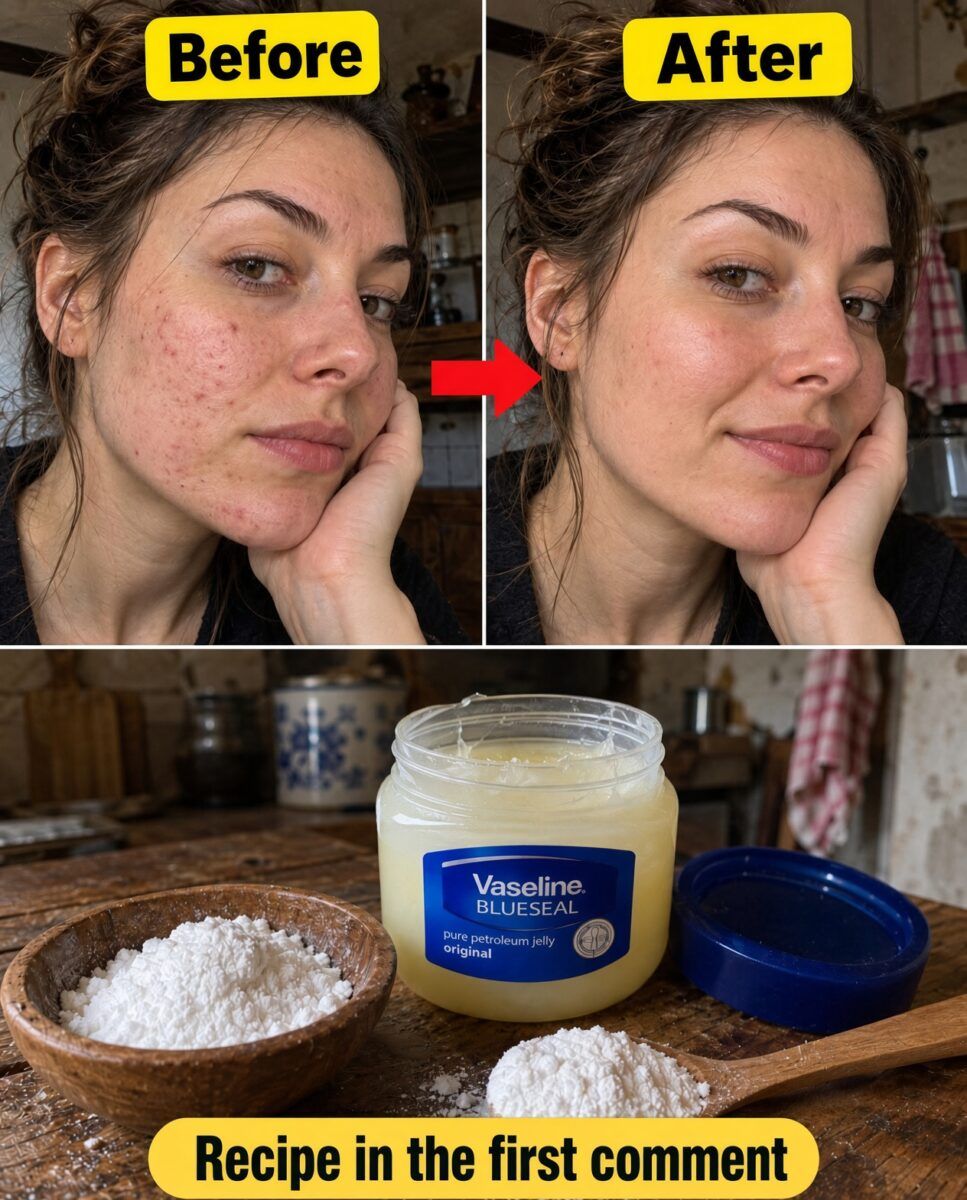
Can vaseline make a skin growth disappear?
Skin tags, or soft fibromas, are small skin growths, usually soft, flesh-colored or slightly brownish. They often appear in areas subject to friction, such as the neck, armpits, or groin.
Many “natural remedies” suggest using vaseline to remove a skin growth. However, vaseline is not a treatment capable of removing or making a true skin growth fall off.
Its main advantage lies in protecting and hydrating the skin, especially after a professional has removed a lesion.
Why avoid removing a growth yourself?
A small growth that looks like a skin tag can sometimes be another skin lesion. Cutting it, burning it, or trying to dry it out at home can cause infections, bleeding, or scarring.
Before attempting any removal, it is therefore advisable to have the lesion examined by a doctor or dermatologist.
3 types of lesions that can look like a skin tag
1. Skin fibroma
A true skin tag is usually a small, soft growth attached to the skin through a narrow base. It is often benign and develops in areas subject to friction.
2. Dermatosis papulosa nigra
Dermatosis papulosa nigra, or DPN, appears as small dark papules. It frequently occurs on the face, particularly on the cheeks, in people with dark skin.
It can sometimes be confused with small skin tags or warts.
3. Seborrheic keratosis
This benign lesion can present with a waxy, scaly, or “stuck-on” appearance on the skin surface. Its color can vary from beige to dark brown.
Important: a new lesion, one that changes appearance, bleeds, or becomes painful requires a medical consultation.
How to safely remove a skin tag?
When removal is actually indicated, a healthcare professional can use several methods.
Cryotherapy
Cryotherapy consists of applying cold, usually with liquid nitrogen, to treat the lesion.
Excision
The professional can remove the lesion using a suitable medical instrument, usually under local anesthesia when necessary.
Electrosurgery
This technique uses electrical energy to treat the lesion and control bleeding.
The choice of method depends particularly on the type, size, and location of the lesion.
Vaseline care after professional removal
This is where pure vaseline can prove useful.
After the professional removal of a small lesion, a healthcare provider might recommend keeping the area clean and slightly protected during the healing period.
Simple skin care formula
You will need:
- Pure, fragrance-free vaseline;
- lukewarm water;
- gentle soap;
- non-stick dressing, if recommended.
Steps:
- Gently clean the area with lukewarm water and mild soap.
- Pat dry gently, without rubbing.
- Apply a thin layer of vaseline.
- If necessary, protect with a non-stick dressing.
- Repeat the treatment as recommended by the professional.
Vaseline mainly contributes to maintaining a moist environment favorable to healing and preventing the wound from drying out excessively.
A home remedy to remove a skin tag? Be careful.
It is tempting to try mixtures based on vinegar, essential oils, baking soda, vaseline, or other household products. However, a home remedy cannot confirm whether a lesion is actually a skin tag.
In particular, avoid cutting, tearing, burning, or tying off a growth yourself without a prior diagnosis.
A method presented as “natural” is not necessarily risk-free for the skin.
Vaseline and skin tags: the essentials to remember
Vaseline will not make a skin tag disappear. Its use is rather linked to protecting the skin and healing wounds after certain procedures.
If you notice a new skin growth, the best approach is:
- Have the lesion checked if the diagnosis is not certain;
- Do not attempt removal at home;
- Follow the professional’s advice after removal;
- Use only products recommended for wound care.
In summary: before looking for a remedy to remove a skin tag, make sure it is actually a skin tag. A simple medical visit can prevent improper handling and unnecessary complications.
Health note: this article provides general information and does not replace a medical or dermatological visit.


