
Have you ever wondered whether adding a simple ingredient to your water could help you feel more energized and support healthy blood circulation?
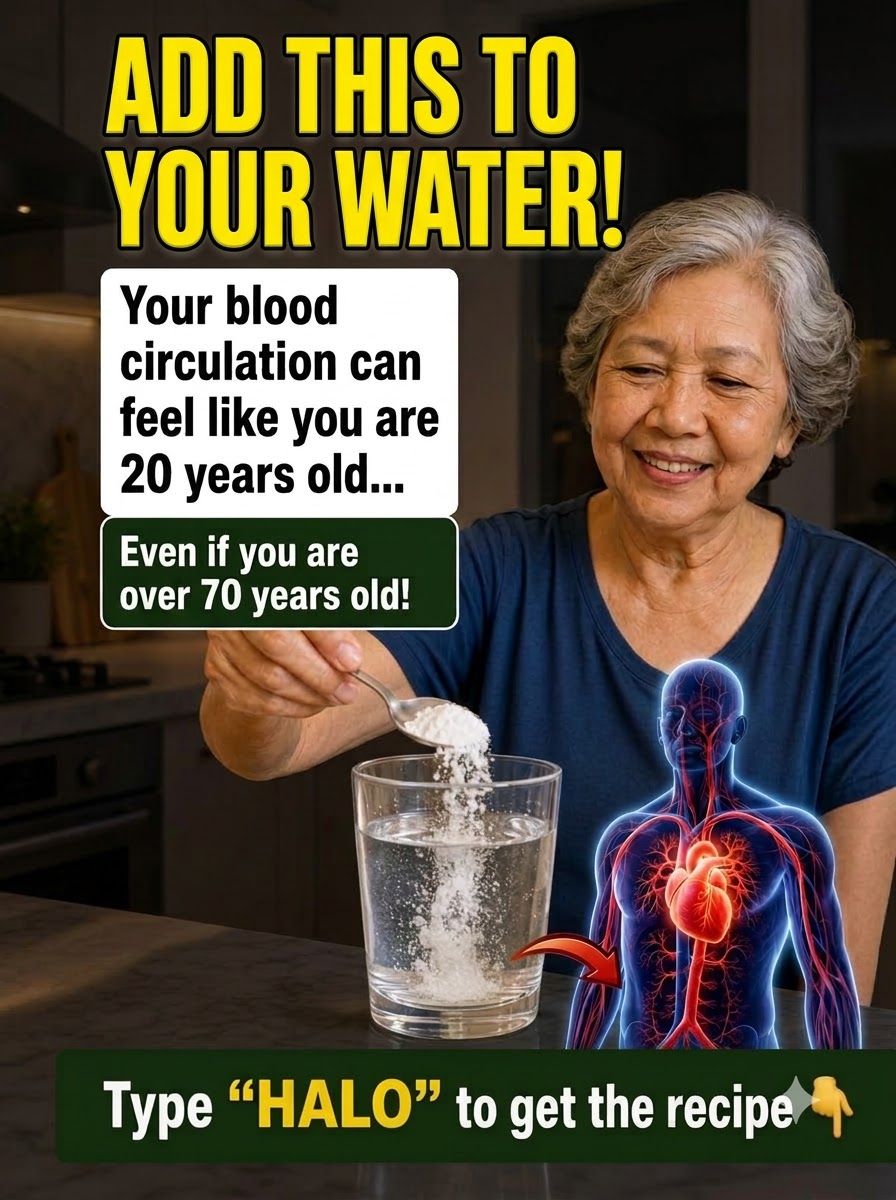
You may have seen social media posts claiming that a spoonful of a certain white powder mixed into water can make your circulation feel “20 years younger”—even if you are over 70.
The idea sounds simple and appealing.
But when it comes to your circulation and cardiovascular health, the truth is more complicated.
No single homemade drink can instantly clear blocked arteries or restore your circulation to that of a young person. However, staying properly hydrated, eating a heart-healthy diet, exercising regularly, and controlling important cardiovascular risk factors can all support healthier blood vessels and circulation.
So what should you really know before adding anything to your water?
Why Hydration Matters for Circulation
Water is one of the simplest things you can give your body every day.
Your heart continuously pumps blood through your blood vessels, delivering oxygen and nutrients to tissues throughout the body. Staying adequately hydrated helps your cardiovascular system function normally.
The American Heart Association explains that adequate hydration helps the heart pump blood more easily throughout the body and supports normal muscle function.
When you’re dehydrated, you may experience symptoms such as:
- Thirst
- Fatigue
- Dizziness
- Headache
- Reduced exercise tolerance
- Feeling weak
This doesn’t mean that drinking extra water will “unclog” an artery. Instead, hydration is one basic part of supporting normal body function.
Can Adding Baking Soda to Water Improve Circulation?
One viral version of this wellness tip involves baking soda, also known as sodium bicarbonate.
Baking soda is alkaline and has legitimate uses, including certain antacid applications. But that doesn’t mean drinking baking soda water is a proven way to improve circulation or remove plaque from arteries.
In fact, there is an important reason to be cautious.
Baking soda contains sodium, and consuming too much sodium can contribute to higher blood pressure. The CDC notes that excessive sodium intake can increase blood pressure and the risk of heart disease and stroke.
That makes daily baking soda water a poor choice to recommend universally—especially for people who already need to limit sodium.
What Actually Affects Blood Circulation?
Healthy circulation depends on many factors, including the condition of your arteries, blood pressure, cholesterol levels, blood sugar, physical activity, smoking status, body weight, and overall cardiovascular health.
For example, peripheral artery disease (PAD) occurs when plaque buildup narrows arteries and reduces blood flow, particularly to the legs and feet.
Common symptoms can include:
- Leg pain or cramping when walking
- Leg heaviness or weakness
- Numbness or tingling
- One foot feeling colder than the other
- Changes in skin color
- Slow-healing sores on the feet or legs
These symptoms should not simply be treated with a homemade drink.
Poor circulation can sometimes be a sign of an underlying vascular condition that deserves medical attention.
The Good News: Lifestyle Changes Can Help
If your goal is to support better circulation, there are several strategies with much stronger evidence than adding a mystery ingredient to water.
1. Stay Properly Hydrated
For most people, plain water is an excellent choice.
If you dislike plain water, you can add natural flavor from:
- Lemon slices
- Lime
- Cucumber
- Fresh mint
- Berries
The CDC also recommends choosing water instead of sugary beverages and suggests adding lemon, lime, or cucumber for flavor.
You don’t need an unusual powder to make water healthier.
2. Walk Regularly
One of the simplest ways to support cardiovascular health is regular physical activity.
Walking helps your muscles work and can improve circulation in the legs.
For people with peripheral artery disease, structured exercise—particularly walking programs—can improve walking ability and symptoms.
If you haven’t exercised for a long time, start gradually and discuss an appropriate exercise level with your healthcare professional, especially if you have heart or vascular disease.
3. Eat More Heart-Healthy Foods
Your blood vessels are affected by your overall eating pattern, not one individual drink.
Build meals around foods such as:
- Leafy green vegetables
- Berries and other fruits
- Beans and lentils
- Whole grains
- Nuts and seeds
- Fish
- Olive oil
- Other minimally processed foods
At the same time, reduce your intake of highly processed foods, excess added sugars, and excessive sodium.
4. Pay Attention to Sodium
This is especially important if you are thinking about adding baking soda to your water.
Your body needs some sodium, but too much can raise blood pressure. High blood pressure is an important risk factor for cardiovascular disease.
If you already have hypertension, kidney disease, heart disease, or have been advised to follow a low-sodium diet, don’t start drinking baking soda water regularly without discussing it with your healthcare professional.
5. Don’t Ignore High Cholesterol
High LDL cholesterol can contribute to plaque buildup inside arteries.
Over time, atherosclerosis can narrow blood vessels and interfere with normal blood flow.
Rather than trying to “flush cholesterol out” with a drink, the better approach is to have your cholesterol checked and manage it through appropriate nutrition, physical activity, medications when prescribed, and other lifestyle changes.
NHLBI notes that controlling major risk factors—including high blood pressure, diabetes, smoking, and high LDL cholesterol—is important in managing atherosclerosis.
What About People Over 70?
Age doesn’t mean you have to accept poor circulation as inevitable.
Older adults can still benefit greatly from:
- Regular movement
- Adequate hydration
- Healthy eating
- Maintaining muscle strength
- Controlling blood pressure
- Managing cholesterol
- Avoiding tobacco
- Getting appropriate medical checkups
However, older adults may also have medical conditions or take medications that affect fluid and electrolyte balance.
That’s why adding concentrated ingredients to water should not automatically be considered a healthy habit simply because it is “natural.”
Signs Your Circulation May Need Medical Attention
Don’t rely on a homemade drink if you notice persistent or unusual circulation-related symptoms.
Pay attention to:
Leg pain when walking
Pain, aching, heaviness, or cramping that develops while walking and improves after resting can be a symptom of peripheral artery disease.
Cold feet
If one foot consistently feels colder than the other, especially together with pain, numbness, or color changes, it deserves attention.
Skin color changes
Pale, blue, or unusually discolored skin on the feet or legs can be associated with reduced blood flow.
Slow-healing wounds
A wound on the foot or leg that takes unusually long to heal should not be ignored.
Numbness or weakness
Persistent numbness, weakness, or pins-and-needles sensations may have several causes, including vascular or nerve-related problems.
When Poor Circulation Can Be an Emergency
Some symptoms require urgent medical attention.
According to NHLBI, sudden inability to feel or move a foot, severe pain at rest, or a foot or leg that becomes unusually pale or cold can indicate acute limb ischemia, which is a medical emergency.
In such situations, do not wait for a homemade remedy to work. Seek emergency medical care immediately.
So, What Should You Add to Your Water?
If you’re looking for a simple daily habit to support your health, the answer may be surprisingly simple:
Water.
You can add lemon, lime, cucumber, mint, or a few berries if that makes it easier to drink enough water.
But you don’t need to turn your water into a complicated “circulation remedy.”
The goal is not to find a magical ingredient.
The goal is to create habits that support your cardiovascular system every day.
A Simple Morning Hydration Routine
Try this simple routine:
Step 1: Start your morning with a glass of water.
Step 2: Add a few slices of lemon or cucumber if you enjoy the flavor.
Step 3: Eat a balanced breakfast containing protein, fiber, and nutrient-rich foods.
Step 4: Take a short walk or add gentle movement to your morning if appropriate for your health.
Step 5: Continue drinking water throughout the day according to your individual needs.
This approach is much more sustainable than depending on a single “miracle” drink.
What About the Viral “White Powder” Recipe?
If the white powder shown in viral images is baking soda, remember that baking soda is not a proven circulation treatment.
It should not be promoted as a way to:
- Unclog arteries
- Remove cholesterol
- Cure poor circulation
- Prevent heart attacks
- Reverse vascular disease
- Make blood vessels “20 years younger”
These claims go beyond what current evidence supports.
Baking soda also adds sodium to the diet, which is an important consideration for people with high blood pressure or other cardiovascular concerns.
The Bottom Line
The idea of adding one simple ingredient to water and dramatically improving circulation is attractive—but your cardiovascular system is far too complex for a single drink to provide that kind of transformation.
Good hydration can support normal cardiovascular function. Regular physical activity, a nutritious diet, healthy blood pressure and cholesterol levels, and appropriate medical care are much more important for long-term circulation.
If you enjoy lemon water, cucumber water, or plain water, make it part of a healthy daily routine.
But if you have persistent leg pain, cold feet, numbness, color changes, or slow-healing wounds, don’t try to solve the problem with a viral recipe. Those symptoms may indicate an underlying circulation problem that needs proper evaluation.
Your circulation doesn’t need a miracle—it needs consistent care.


