
Papaya, known for its renowned juicy and sweet pulp, is a fruit that many have incorporated into their diets for its nutritional benefits. However, few people are aware of the properties and uses of other parts of the papaya tree, such as its flowers. These flowers have been used in various culinary and medicinal traditions throughout the years, and while there is growing interest in them, it is important to understand their proper use and the scientific evidence behind their purported benefits. In this article, we will explore the uses of the papaya flower, its properties, and some precautions you should take.
Papaya flowers, besides being an ingredient used in dishes in some tropical countries, have begun to be promoted on social media as a natural remedy for various ailments. It is suggested that these flowers be boiled for 30 minutes and the resulting infusion consumed twice a day for seven days. But before following these popular recommendations, it is crucial to distinguish between what is based on tradition and what has scientific backing.
Setting a specific cooking time, such as 30 minutes, and developing a regimen of consuming two glasses a day may seem simple and appealing, but it’s crucial to understand that there are no scientific studies that support this practice as a universal treatment. Every individual is different, and nutritional needs can vary greatly from person to person.
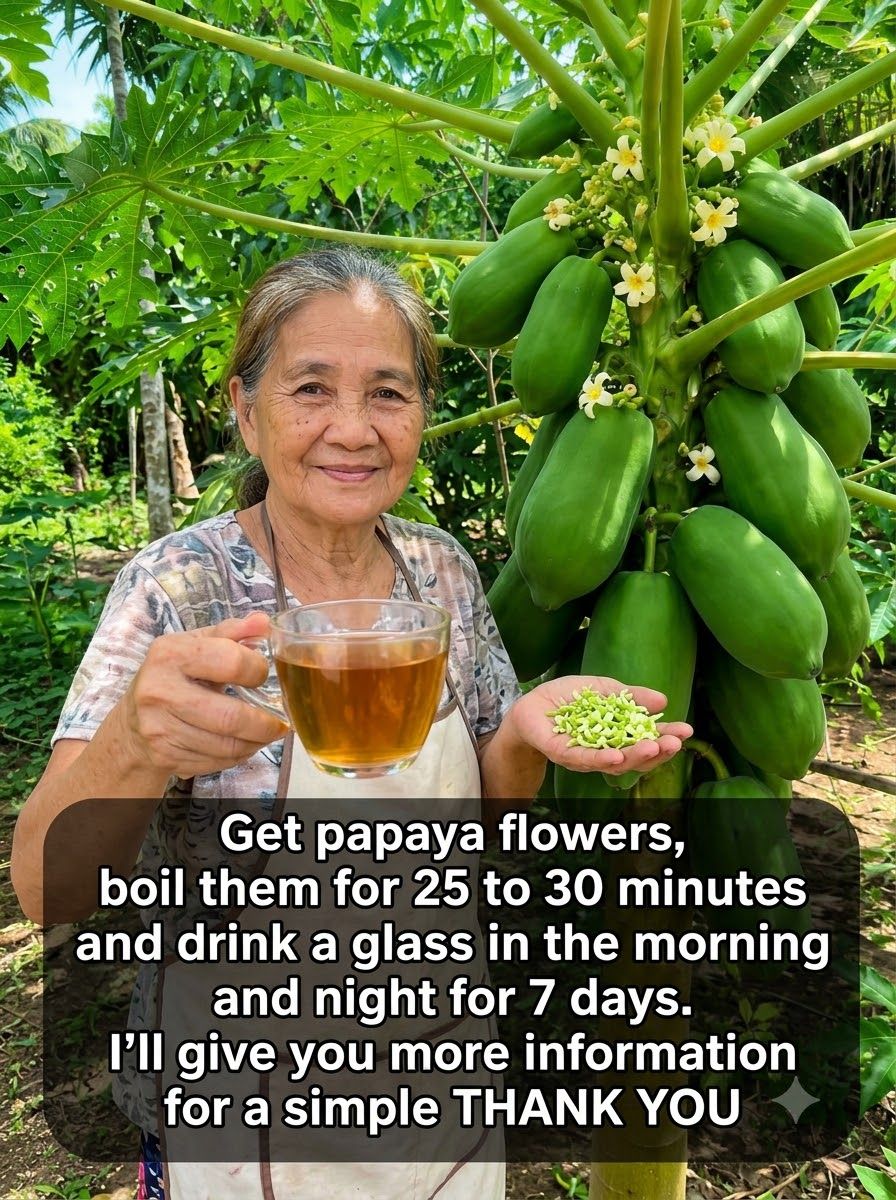
Properties of the Papaya Flower
Papaya flowers contain several plant compounds that have attracted the attention of health researchers. These compounds include flavonoids and antioxidants, which have shown positive health effects in preliminary studies. An antioxidant is a substance that helps neutralize free radicals in the body, which are responsible for cellular aging and various diseases.
Although this antioxidant content is promising, most studies have been conducted in laboratories and have not been sufficient to validate the broader claims circulating about the benefits of this plant. Essentially, its use as a natural remedy should be considered with caution.
Traditional and Cultural Use of the Papaya Flower
Papaya flowers have been part of the cuisine of various cultures, especially in countries where papaya grows wild or is cultivated extensively. In some regions, the flowers are used in salads, stews, and other dishes. They are also attributed with medicinal properties, although these claims are not always supported by solid scientific studies.
In many communities, papaya flowers are harvested and used as a traditional remedy for stomach ailments or to improve digestion. However, it is important to remember that the effectiveness of these practices varies and they should not replace professional medical care when needed.
Precautions to Take When Consuming Papaya Flowers
Before experimenting with papaya flowers, there are several factors to consider. First, ensure the flowers were collected from a safe location and haven’t been exposed to pesticides or other harmful chemicals. Many plant flowers are inedible, and some can be toxic, so correctly identifying the plant before use is crucial.
Also, keep in mind that a homemade preparation can vary greatly in concentration depending on several factors, such as the amount of flowers used and the cooking time. These variations make it difficult to determine an exact dose that is safe and effective.
Finally, it’s important to mention that while papaya flowers may offer some benefits, they shouldn’t be considered a substitute for medical treatment. If you have any questions about using them, it’s best to consult a doctor or nutritionist before incorporating them into your diet regularly.
Nutritional Alternatives: Papaya Pulp
While papaya flowers have their place in tradition, the pulp of the ripe fruit may be the safest and most practical option for those seeking to benefit from this plant’s nutrients. Papaya pulp is rich in vitamin C, beta-carotene, folate, potassium, and fiber. These nutrients are essential for the immune system, eye health, and digestion, among other important aspects.
The most common way to consume papaya pulp is fresh, either on its own, blended into smoothies, or mixed with other foods like yogurt and granola. This is an excellent way to enjoy the benefits of papaya without the uncertainties that can come with using its flowers.
Conclusion
The papaya flower has a rich history steeped in cultural traditions, and its use as a natural remedy has gained popularity in recent times. However, it is crucial to approach its purported benefits with caution. There is insufficient scientific evidence to support claims that boiling the flowers and drinking the infusion over extended periods can offer miraculous health results.
For those looking to incorporate papaya into their diet for its nutritional benefits, the fruit pulp is the safest and most effective way to consume it. Always remember to consult a healthcare professional before making significant changes to your diet or health treatment. Use natural resources responsibly and ensure they come from safe sources for your well-being.


