
Meta description: Discover what tingling, cold feet, and changes to your toenails might indicate. Learn simple habits to take care of your circulation, nerves, and foot health.
🌿 Your feet deserve more attention than you might think
Every day, our feet support us through hundreds of small moments: walking around the house, running errands, enjoying a stroll, or spending time with our loved ones.
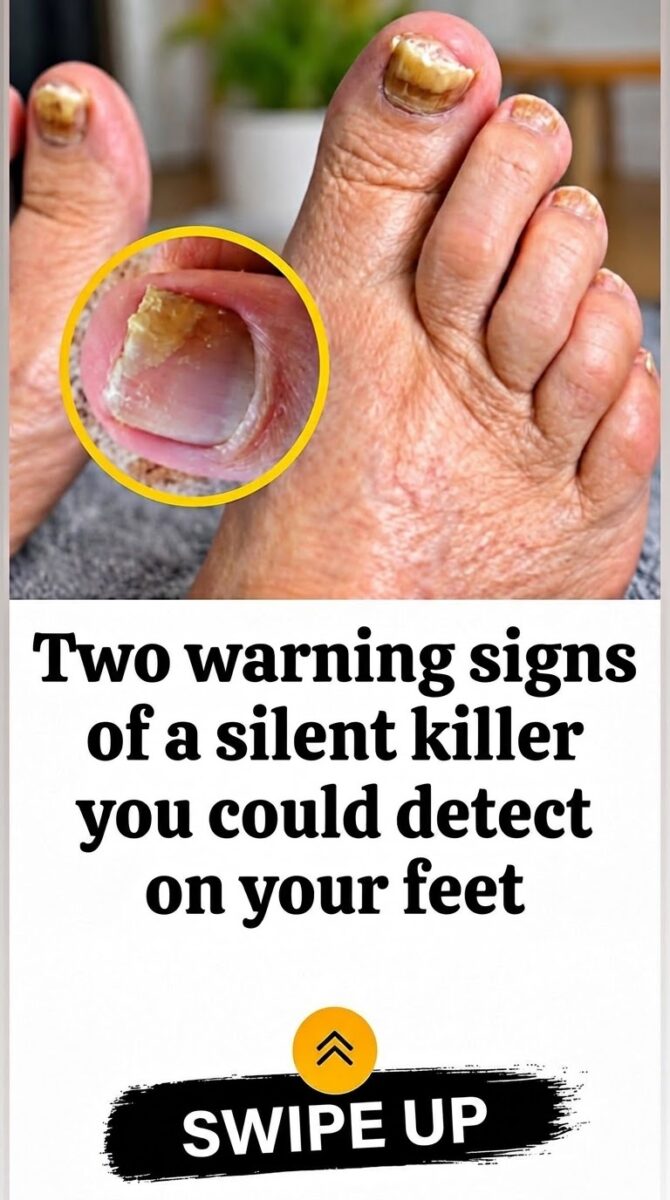
Yet, we rarely pay attention to how they look or the sensations we feel in them—until some kind of discomfort arises.
As the years go by, changes can occur in the skin, toenails, sensitivity, and blood circulation. While many of these are common, some warrant a closer look.
Have you ever felt a slight tingling in your toes, noticed your feet are colder than usual, or experienced an unusual sensation while walking?
These signs can stem from various causes. Learning to recognize them is a simple way to look after your well-being and maintain a good quality of life.
The good news is that spending just a few minutes a day observing your feet can help you spot changes that might otherwise go unnoticed.
🩺 1. Why can your feet reflect changes in circulation?
Your feet are among the parts of the body furthest from your heart. To stay healthy, they need a steady supply of blood, oxygen, and nutrients.
They also contain a complex network of tiny nerves that allow you to perceive temperature, pressure, and contact with different surfaces.
When there are issues with circulation or nerve function, certain signs may appear.
These include:
Frequent tingling in the toes.
Numbness that occurs without an obvious cause.
Cold feet, even in mild temperatures.
Persistent changes in skin color.
Small wounds that take longer than usual to heal.
It is important to remember that none of these signs, on its own, confirms the presence of a medical condition. For example, cold feet can be related to the ambient temperature, while occasional tingling may occur after remaining in the same position for a long time.
However, if these discomforts recur or worsen, it is advisable to consult a healthcare professional.
🌸 2. First sign: tingling or loss of sensation
Have you ever felt as if tiny ants were crawling across the soles of your feet?
This sensation, known as tingling or paresthesia, can occur temporarily.
Sometimes it is caused by a posture that compresses a nerve. However, when it happens repeatedly, it may be linked to issues with the peripheral nerves.
What sensations should you look out for?
Some people describe:
Small, prickling sensations in the toes.
The feeling of wearing a wrinkled sock.
A mild burning sensation on the sole of the foot.
Reduced sensitivity when touching certain surfaces.
Discomfort that becomes more noticeable at night.
Possible causes include vitamin B12 deficiency, diabetes, certain medications, and other conditions that affect the nerves.
An important point: you do not need to experience intense pain for there to be an alteration in sensation.
Therefore, if these sensations persist, a medical evaluation can help identify their underlying cause.
🦶 3. Second sign: cold feet and changes to the skin or nails
The temperature of your feet can vary throughout the day. However, if one foot remains noticeably colder than the other—especially if accompanied by pain or a change in color—it is important to pay attention.
In some cases, issues with arterial circulation can reduce blood flow to the extremities.
Other changes worth noting:
Smoother or shinier skin: certain circulatory issues can be accompanied by changes in skin texture.
Slow nail growth: this may appear alongside other signs of circulatory problems, though it is not specific to any one condition. Calf discomfort when walking: pain or a feeling of muscle fatigue that occurs with exertion and improves with rest can be a sign of peripheral artery disease.
Wounds that are slow to heal: especially when there are circulation issues or diabetes.
And what about yellow or thickened toenails?
Toenails can change in color or thickness for various reasons, such as fungal infections, repeated trauma, or skin conditions.
A yellowish toenail does not necessarily mean there is a cardiovascular or circulatory problem.
If you notice persistent changes—such as the nail detaching, becoming painful, or being accompanied by inflammation—it is advisable to consult a dermatologist or podiatrist.
🌼 4. Five foot changes you shouldn’t ignore
Checking your feet regularly can help you spot subtle differences.
Here are some signs that…


