
Eye health is a very important issue, especially as we age. With increased reliance on technology and more time spent in front of screens, taking care of our eyes has become essential. In this context, recommendations inspired by elderly doctors in Japan have circulated, suggesting what to consume before bed to improve eyesight. While these recommendations may not have a solid scientific basis, it is true that some foods and habits can contribute to maintaining our visual health.
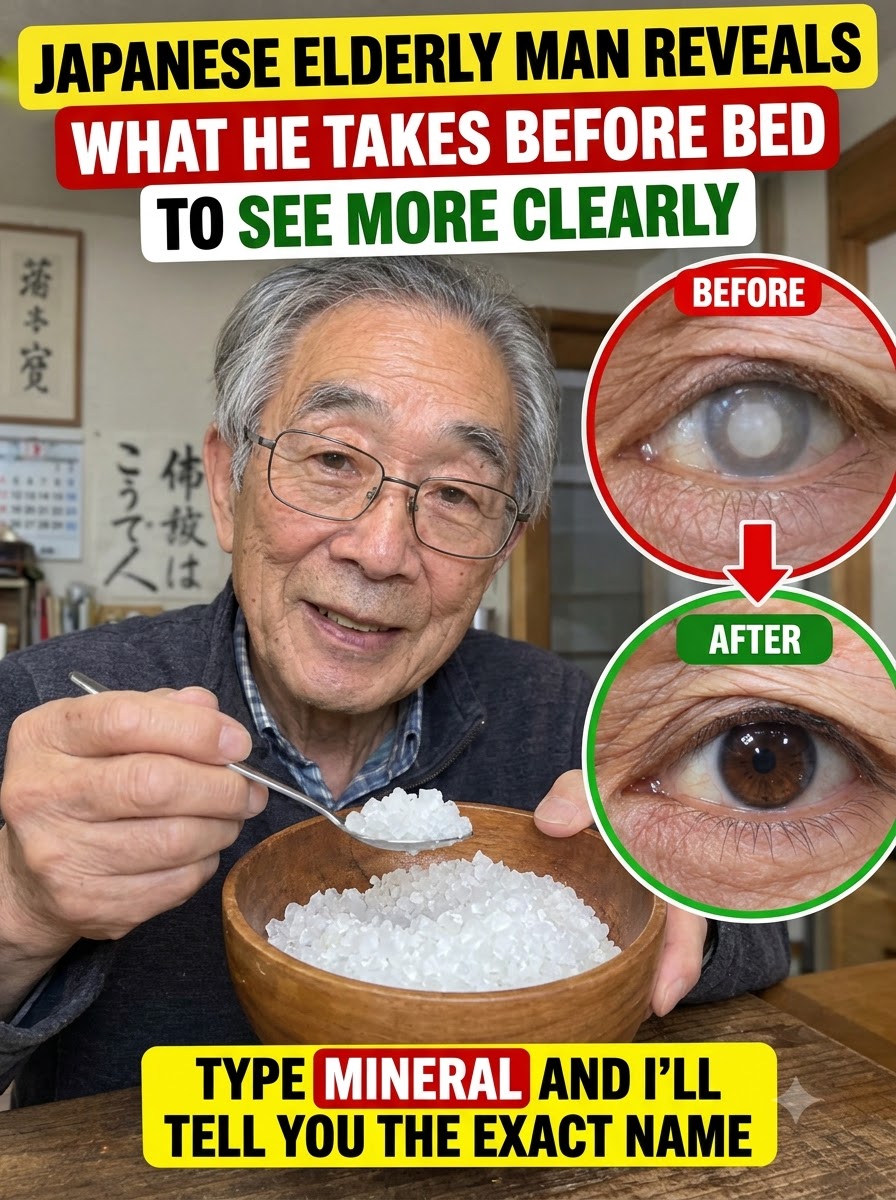
Many believe there’s a secret in the Japanese diet that can work wonders for our night vision. However, the reality is that there’s no magic food that will restore clear vision overnight. The key lies in having a balanced diet rich in nutrients that promote long-term eye health.
Eggs play a prominent role in a balanced diet. They contain lutein and zeaxanthin, two carotenoids found in the retina that play a vital role in maintaining vision. Incorporating eggs into your dinner can be an excellent choice, especially when combined with leafy green vegetables, such as spinach, which are also rich sources of these nutrients.
However, it’s crucial to understand that eating certain foods right before bed doesn’t guarantee an immediate improvement in your eyesight upon waking. The real secret to eye health lies not in a specific time of day, but in ensuring a regular intake of the nutrients your body needs.
Foods that Strengthen Eye Health
There are many foods that are beneficial for the eyes, and all of them should be part of a balanced diet. For example, brightly colored vegetables like carrots, sweet potatoes, and pumpkin are rich sources of beta-carotene, a precursor to vitamin A. This vitamin is essential for normal vision, and a deficiency can cause visual problems.
Another important food category for eye health is fruit. Guava, oranges, and kiwis are rich in vitamin C, an antioxidant that protects the eyes from damage caused by free radicals and improves the health of eye tissues. Likewise, including fish in your diet, especially varieties like sardines and salmon, provides omega-3 fatty acids that are essential for retinal health.
Beware of Miracle Promises
It’s easy to fall for misleading claims that a single food can quickly cure cataracts, glaucoma, nearsightedness, or blurred vision. While nutrition is essential for maintaining eye health, it’s not a substitute for necessary medical treatment for any eye disease or physical condition. Consulting an ophthalmologist is crucial when experiencing changes in vision.
Home Remedies and Their Risks
People often seek home remedies to improve eye health, such as using lemon, honey, or aloe vera. However, it’s important to note that these substances are not sterile and can cause irritation or infection if applied directly to the eyes. It’s always best to seek professional advice rather than self-medicating with home remedies that could do more harm than good.
Habits for Eye Care and Their Importance
In addition to a balanced diet, there are other habits that can significantly contribute to protecting our eyes. Wearing appropriate sunglasses to protect against ultraviolet radiation is essential, as is taking regular breaks if you work in front of screens for long periods. The common recommendation is to follow the 20-20-20 rule: every 20 minutes, look at something 20 feet away for at least 20 seconds.
Furthermore, adequate sleep is essential for eye health. Lack of rest can affect overall health, including the eyes’ ability to function properly. Therefore, ensuring you get enough sleep is a key habit for maintaining healthy vision.
Final Conclusion on Eye Care
In short, there’s no secret Japanese food or miracle cure that can restore perfect vision while we sleep. Incorporating foods like eggs, leafy green vegetables, fruits, and fish into a balanced diet is essential to providing our eyes with the nutrients they need. Instead of looking for quick fixes, it’s better to take a proactive approach to eye health through consistent habits that will help us maintain our vision in the long run.
Remember that whenever you experience changes in your vision, it’s best to consult a professional. Taking care of our eyes is an investment in our overall well-being.


