
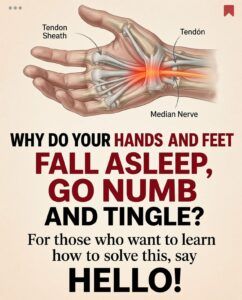
Why Do Your Hands Go Numb? Common Causes, Helpful Tips, and When to Seek Help
Have you ever woken up with numbness or tingling in your hands? Maybe your fingers start to feel like pins and needles after using a computer, holding your phone, or sleeping in an awkward position.
Occasional hand numbness is often temporary and may be related to pressure on a nerve. However, if it happens frequently, lasts for a long time, or occurs together with weakness or other symptoms, it may be worth discussing with a healthcare professional.
In this article, we’ll explore the common causes of numb hands, simple lifestyle measures that may help, and warning signs that should not be ignored.
What Does It Mean When Your Hands Go Numb?
Hand numbness is commonly described as reduced sensation, tingling, pins and needles, or a feeling that the hand has “fallen asleep.”
The medical term for abnormal sensations such as tingling and numbness is paresthesia.
Temporary paresthesia can happen when a nerve is compressed for a short period. For example, sleeping on your arm or keeping your wrist in an uncomfortable position may temporarily affect nerve signals.
However, recurring or persistent numbness can have many different causes.
Common Causes of Numbness in the Hands
1. Temporary Nerve Compression
One of the most common reasons a hand becomes numb is temporary pressure on a nerve.
This can happen when you:
- Sleep with your arm underneath your body
- Keep your wrist bent for a long time
- Lean your elbow against a hard surface
- Maintain the same position for an extended period
Changing position and allowing the affected area to rest may help the sensation return to normal.
2. Carpal Tunnel Syndrome
Carpal tunnel syndrome occurs when the median nerve becomes compressed at the wrist.
It may cause:
- Tingling in the thumb, index, middle, and part of the ring finger
- Numbness that is worse at night
- Hand discomfort
- Weakness or difficulty gripping objects in more advanced cases
People who perform repetitive hand or wrist movements may experience symptoms, although carpal tunnel syndrome can have several contributing factors.
If symptoms occur regularly, a healthcare professional can help determine whether carpal tunnel syndrome is the cause.
3. Nerve Problems in the Neck
Nerves traveling from the neck into the arms can sometimes become irritated or compressed.
Problems involving the cervical spine may cause symptoms that travel from the neck or shoulder down the arm and into the hand.
If hand numbness occurs together with neck pain, arm pain, or weakness, professional evaluation may be appropriate.
4. Diabetes and Peripheral Neuropathy
Long-term high blood sugar can damage peripheral nerves, a condition known as diabetic peripheral neuropathy.
Numbness or tingling may affect the feet first, but the hands can also be involved.
People with diabetes who develop new or worsening numbness should discuss the symptoms with their healthcare professional.
5. Vitamin B12 Deficiency
Vitamin B12 is important for normal nerve function.
A significant vitamin B12 deficiency can cause neurological symptoms, including numbness or tingling.
Rather than taking high-dose supplements without guidance, it is better to determine whether a deficiency is actually present and identify its underlying cause.
6. Other Nerve or Circulation-Related Conditions
Hand numbness can have many other possible causes, including certain nerve disorders, injuries, medications, and circulation problems.
Because the possible causes are so varied, persistent numbness should not automatically be attributed to poor circulation or a vitamin deficiency.
Simple Ways to Reduce Occasional Hand Numbness
If your hands occasionally become numb because of posture or prolonged positioning, several simple habits may help.
1. Change Your Position Regularly
Avoid keeping your wrists, elbows, or arms in one position for long periods.
If you work at a computer, take regular movement breaks and change your hand position throughout the day.
2. Keep Your Wrists in a Neutral Position
Try to avoid keeping your wrists sharply bent for extended periods.
A more neutral wrist position can be particularly helpful for people who experience symptoms associated with repetitive hand activities.
3. Take Short Movement Breaks
If you spend many hours typing, using a mouse, or performing repetitive tasks, take brief breaks to relax and gently move your hands and wrists.
Simple movement can also help prevent stiffness caused by staying in one position for too long.
4. Try Gentle Hand and Wrist Stretching
Gentle stretching may help maintain flexibility and reduce stiffness.
For example:
- Extend one arm in front of you.
- Keep your elbow comfortably straight.
- Gently move your wrist and fingers through a comfortable range of motion.
- Hold a gentle stretch briefly.
- Repeat on the other side.
Do not force the stretch. Stop if it causes pain, increased numbness, or weakness.
What About Natural Remedies?
Many natural remedies are promoted online for numb hands, including herbal teas, essential oils, and mineral baths.
Some of these approaches may be relaxing, but they should not be presented as proven treatments for nerve compression, diabetes-related neuropathy, vitamin deficiencies, or other medical conditions.
Ginger and Turmeric
Ginger and turmeric contain naturally occurring plant compounds that have been studied for their potential biological effects.
However, drinking ginger or turmeric tea should not be considered a treatment for the underlying cause of persistent hand numbness.
They can be enjoyed as part of a balanced diet if they are suitable for you.
Rosemary or Eucalyptus Oil
A gentle massage with a properly diluted essential oil may feel relaxing for some people.
However, there is not enough evidence to conclude that rosemary or eucalyptus oil can treat nerve compression or eliminate hand numbness.
Essential oils should always be appropriately diluted before topical use, and they should not be applied to broken or irritated skin.
Warm Water
Soaking the hands in comfortably warm water may provide temporary relaxation and comfort.
Avoid very hot water, especially if your hands are numb because reduced sensation can make it harder to judge the temperature accurately.
A Balanced Diet
A nutritious diet provides many vitamins and minerals required for normal body function.
Foods containing vitamin B12 include:
- Fish
- Eggs
- Meat
- Dairy products
- Fortified foods
Plant-based sources may vary, so people following a strict vegan diet should discuss reliable sources of vitamin B12 with a healthcare professional.
Habits That May Help Prevent Recurring Symptoms
A few everyday habits may help reduce problems associated with prolonged hand and wrist positioning.
Use an Ergonomic Workstation
Keep your keyboard and mouse positioned so your wrists can remain relatively neutral and your shoulders relaxed.
Avoid Prolonged Repetitive Movements
If your work involves repetitive hand movements, incorporate regular short breaks whenever possible.
Pay Attention to Your Sleeping Position
Avoid sleeping with your arm underneath your body or keeping your wrist tightly bent for prolonged periods.
If nighttime symptoms are frequent, a healthcare professional can advise whether a wrist splint or another approach may be appropriate.
Maintain Overall Health
Managing conditions such as diabetes, eating a balanced diet, staying physically active, and following appropriate medical treatment can all contribute to better long-term health.
When Should You See a Doctor?
Occasional numbness that quickly disappears after changing position is often less concerning.
However, make an appointment with a healthcare professional if:
- The numbness keeps coming back
- It lasts for a long time
- It is gradually getting worse
- You have persistent pain in the hand, arm, or neck
- You notice weakness in the hand or fingers
- You frequently drop objects
- The symptoms interfere with work or everyday activities
- You have diabetes or another condition that can affect the nerves
A healthcare professional can evaluate your symptoms and determine whether further testing is necessary.
When Is Hand Numbness an Emergency?
Sudden numbness can sometimes be a sign of a serious medical problem.
Seek urgent medical attention if sudden numbness occurs together with symptoms such as:
- Weakness or paralysis, particularly on one side of the body
- Facial drooping
- Trouble speaking or understanding speech
- Severe dizziness or difficulty walking
- Sudden vision problems
- A sudden, severe headache
These symptoms can require immediate evaluation.
Frequently Asked Questions
Why do my hands go numb when I sleep?
Sleeping in a position that puts pressure on a nerve can temporarily cause numbness or tingling. Changing position usually allows the sensation to gradually return.
If you wake up with numb hands frequently, especially if symptoms are getting worse, consider discussing the problem with a healthcare professional.
Can vitamin B12 deficiency cause numb hands?
Yes. A significant vitamin B12 deficiency can affect the nervous system and may cause symptoms such as numbness or tingling.
However, there are many other possible causes, so persistent symptoms should be properly evaluated.
Can carpal tunnel syndrome cause numbness?
Yes. Carpal tunnel syndrome can cause numbness and tingling, particularly in the thumb, index, middle, and part of the ring finger. Symptoms are often more noticeable at night.
Can exercise help with hand numbness?
Gentle movement and stretching may help with stiffness associated with prolonged positioning. However, exercise does not treat every cause of hand numbness.
If exercise makes the numbness, pain, or weakness worse, stop and seek professional advice.
Are natural remedies enough to treat numb hands?
Natural approaches may provide comfort in some situations, but they should not replace medical evaluation when numbness is persistent, recurrent, or associated with weakness or other concerning symptoms.
Final Thoughts
Occasional hand numbness is often caused by temporary pressure on a nerve or an uncomfortable position. But recurring or persistent numbness can have many possible causes, including carpal tunnel syndrome, neck-related nerve problems, diabetes-related neuropathy, and vitamin B12 deficiency.
Simple habits such as changing positions, taking regular breaks, keeping the wrists in a comfortable position, and maintaining a balanced diet may support overall hand and nerve health.
Most importantly, don’t ignore persistent or worsening numbness. Finding the underlying cause is the best way to determine the appropriate treatment.
Medical Disclaimer: This article is provided for general educational purposes and is not a substitute for professional medical advice, diagnosis, or treatment. If you have persistent, severe, or sudden symptoms, consult a qualified healthcare professional.


