
Castor oil has gained popularity in the health and beauty sector, especially among those seeking natural alternatives to improve their well-being. While its uses are broad and varied, one of the most discussed topics is its potential application to eye health. From reducing under-eye bags to treating dry eyes, this oil presents itself as an attractive option. However, it is essential to understand its actual properties and how to apply it safely.
Castor Oil and its Composition
Castor oil is extracted from the seeds of the Ricinus communis plant. It is known for its high fatty acid content, especially ricinoleic acid, which is responsible for many of its beneficial properties. Although it has been used for centuries as a natural remedy, claims about its ability to cure specific eye problems require further investigation.
What do the proponents of castor oil promise?
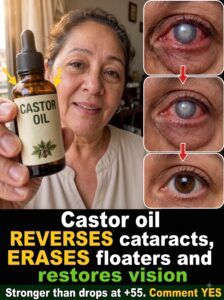
Countless social media posts claim that castor oil can work wonders for eye health, from reversing cataracts to eliminating floaters. However, it’s important to be skeptical and examine the scientific basis of these claims. The reality is that there is no clinical evidence to support these promises, which leads us to be cautious when considering its use.
Can it help with dry eyes?
Castor oil is known for its ability to moisturize and soften skin, leading to the belief that it may be helpful for treating dry eyes. Some derivatives of the oil are used in commercial products designed for eye lubrication. However, this does not mean that applying castor oil directly to the eye is a safe and effective option. If you experience dry eye symptoms such as burning or itching, it is best to consult a healthcare professional for proper diagnosis and treatment.
Cataracts and Floaters: Realities to Consider
Cataracts are cloudings of the eye’s lens that, in advanced stages, require surgery for treatment. The idea that castor oil can reverse this condition is, to date, unfounded. Similarly, floaters are generally harmless, but they can be a sign of more serious conditions. If you experience a sudden increase in their number, it is essential to see a doctor.
Safe Applications of Castor Oil in Beauty
While direct application to the eyes is not recommended, castor oil can be used on the skin around the eyes. Below, we explore some safe recipes and methods for incorporating this oil into your beauty routine.
Hydrating Mask for the Skin Around the Eyes
The skin around your eyes is delicate and can benefit from hydration. Here’s a simple recipe:
- Ingredients:
- 1 drop of cosmetic castor oil
- 2 drops of a facial moisturizer suitable for sensitive skin
Instructions: Mix both ingredients and apply a small amount to the skin under your eyes, avoiding the lash line. Use this mixture at night and discontinue use if irritation occurs.
Cold Compress for Under-Eye Bags
If you want to reduce puffiness under your eyes, a cold compress can be helpful:
Instructions: Moisten a clean gauze pad with cold water, wring it out, and place it over your closed eyes for 5-10 minutes. This simple alternative can temporarily reduce swelling.
Important Precautions and Considerations
It’s essential to note that castor oil should not be used as a treatment for eye ailments. Here are some recommendations:
- Do not put castor oil in your eyes: Never make homemade eye drops with this oil or try to apply it directly. It can cause irritation and other more serious problems.
- Irritation Test: Before applying any product to your skin, test it on another area to check for allergic reactions.
- Consult a Professional: If you have persistent problems such as burning or blurred vision, it is essential that you see an ophthalmologist.
Recommendations for Caring for Your Eye Health
To maintain good eye health, in addition to using specific and safe products, it is essential to adopt other healthy habits:
- Have regular eye exams.
- Wear sunglasses to protect your eyes from UV radiation.
- Maintain a balanced diet rich in vitamins A, C and E, as well as omega-3, which are essential for eye health.
- It controls diseases that can affect eyesight, such as diabetes and hypertension.
Conclusion
Castor oil has various applications in personal care and can be an excellent ally in skin treatment, but its use in the eyes is not recommended. It’s always best to opt for products specifically formulated for eye health and consult an expert before trying any home remedy. Your eye health is essential, and taking proper care of them is the best way to ensure clear and healthy vision.


