
Nopal, also known as prickly pear cactus pads, is a traditional food that has been enjoyed for generations, particularly in Mexico and other parts of Latin America. Its tender green pads can be prepared in many ways, including grilled, cooked, added to salads, blended into drinks, or incorporated into traditional recipes.
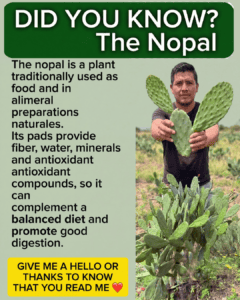
Beyond its culinary uses, nopal has attracted attention because it naturally contains fiber, water, minerals, vitamins, and antioxidant compounds. These nutrients can make it a useful addition to a varied and balanced diet.
However, nopal should be viewed as a nutritious food rather than a replacement for medical treatment. Its potential benefits are best understood as part of an overall healthy lifestyle.
What Is Nopal?
Nopal refers to the edible pads of certain Opuntia cactus species, commonly called prickly pear cactus.
Unlike many vegetables, nopal grows naturally in dry and semi-arid environments and is well adapted to warm climates. The young pads are harvested while they are still tender and are then cleaned carefully to remove the spines and outer rough areas before cooking.
Nopal has a mild, slightly tangy flavor and a characteristic texture that can become somewhat slippery when cooked. This texture comes partly from its natural mucilage, a type of soluble plant material.
Today, nopal is used in traditional cuisine as well as in modern recipes.
Nopal Is Naturally Rich in Fiber
One of the most interesting nutritional characteristics of nopal is its dietary fiber content.
Fiber is important for normal digestive function and can help add bulk to the diet. Soluble fiber can also absorb water and form a gel-like substance during digestion.
Including fiber-rich foods such as vegetables, fruits, legumes, whole grains, and nopal can contribute to a balanced eating pattern.
For people who are increasing their fiber intake, it is generally helpful to do so gradually and drink enough fluids.
A Good Source of Water
Fresh nopal pads contain a significant amount of water. This contributes to their refreshing texture and makes them a relatively light vegetable option.
Hydration is essential for many normal body functions, including digestion, circulation, temperature regulation, and physical performance.
Of course, eating nopal does not replace drinking water. It is simply another food that can contribute to overall fluid intake.
Nopal Contains Vitamins and Minerals
Nopal provides several nutrients that contribute to normal body function.
Depending on the variety, growing conditions, maturity, and preparation method, nopal can provide nutrients such as:
- Vitamin C
- Vitamin A-related carotenoids
- Calcium
- Magnesium
- Potassium
- Other trace minerals
These nutrients participate in many biological processes, including normal immune function, bone maintenance, muscle function, and protection from oxidative stress.
The exact nutritional composition can vary, so nopal should be considered one component of a diverse diet rather than a single “superfood.”
Antioxidant Compounds in Nopal
Nopal also contains naturally occurring plant compounds with antioxidant activity.
Antioxidants help the body deal with oxidative stress by interacting with reactive molecules. Nopal contains various phytochemicals, including polyphenols and carotenoid compounds, although the amounts can vary according to the cactus species and growing conditions.
Eating a variety of colorful vegetables and fruits is generally a better strategy than relying on one food for antioxidant protection.
Nopal and Digestive Health
Because nopal contains dietary fiber and water, it can be a useful addition to meals for people looking to increase their intake of plant-based foods.
Fiber supports regular bowel function and contributes to a healthy digestive pattern.
Nopal’s natural mucilage may also contribute to its characteristic texture and digestive properties.
If you are not accustomed to eating high-fiber foods, consuming a large amount at once may cause gas, bloating, or abdominal discomfort. Starting with a modest portion can be more comfortable.
How to Prepare Nopal Safely
Fresh nopal pads need to be handled carefully because many varieties have small spines or hair-like structures called glochids.
Before cooking:
- Choose young, firm pads without obvious signs of spoilage.
- Carefully remove visible spines and glochids.
- Trim the edges if necessary.
- Wash the pads thoroughly under running water.
- Slice them into strips or pieces.
- Cook them according to your preferred recipe.
If you purchase commercially prepared nopal, follow the preparation instructions on the package.
Proper cleaning is especially important because tiny glochids can be difficult to see and may irritate the skin or mouth.
Simple Ways to Eat Nopal
Nopal is versatile and can be incorporated into many meals.
1. Grilled Nopal
Brush cleaned cactus pads lightly with oil and grill until tender. They can be served as a side dish or sliced into strips for tacos, salads, or bowls.
2. Nopal Salad
Cooked and cooled nopal can be combined with tomatoes, onion, cilantro, lime juice, and other vegetables for a refreshing salad.
3. Nopal With Eggs
Chopped cooked nopal can be added to scrambled eggs along with tomatoes, onions, peppers, or herbs.
4. Nopal in Soups
Tender cactus strips can be added to vegetable soups, beans, or other traditional dishes.
5. Nopal Smoothies
Some people blend nopal with fruits, citrus, or other ingredients. If you choose this option, remember that blending does not turn nopal into a medicine. It remains a nutritious food ingredient.
Can Nopal Help Control Blood Sugar?
Nopal has been studied for its possible effects on post-meal blood glucose, partly because of its fiber content and other plant compounds.
Some research suggests that consuming nopal alongside meals may influence the rise in blood sugar after eating. However, results vary depending on the amount consumed, the form of nopal, and the individual’s health status.
Therefore, nopal should not be promoted as a cure for diabetes or as a substitute for prescribed medication.
People with diabetes who want to add larger amounts of nopal to their diet should consider discussing dietary changes with their healthcare professional, particularly if they use glucose-lowering medication.
Is Nopal Good for Weight Management?
Nopal can fit comfortably into a weight-conscious eating pattern because fresh cactus pads are relatively low in calories while providing water and fiber.
Foods containing fiber may help contribute to fullness, which can be useful when building satisfying meals.
Still, eating nopal alone will not cause weight loss. Sustainable weight management depends on overall food intake, physical activity, sleep, and other lifestyle factors.
Nopal as Part of a Balanced Diet
One of the biggest advantages of nopal is its versatility.
Instead of thinking of it as a miracle ingredient, consider using it as another vegetable in your weekly meals.
A balanced plate might include:
- Nopal or another vegetable
- A source of protein
- Whole grains or another source of complex carbohydrates
- Healthy fats
- Fresh fruit
- Water or another unsweetened beverage
This approach provides a much wider range of nutrients than relying on one particular plant.
Who Should Be Careful With Nopal?
Nopal is a food and is generally suitable for many people when properly prepared. However, some individuals may experience digestive discomfort when eating large quantities because of its fiber content.
If you take medication for diabetes, have a digestive condition, or have been advised to follow a specific diet, speak with your healthcare professional before making significant dietary changes.
Anyone handling fresh cactus should also take care to remove the tiny spines and glochids completely.
Frequently Asked Questions
Can you eat nopal raw?
Young, properly cleaned nopal can be eaten raw, although many people prefer it cooked. Thorough cleaning is essential because of the small spines and glochids.
Does nopal contain fiber?
Yes. Nopal naturally contains dietary fiber, including soluble and insoluble components.
Is nopal a vegetable?
Nopal is botanically part of a cactus, but its edible pads are commonly used as a vegetable in cooking.
What does nopal taste like?
Nopal has a mild, fresh flavor that is often described as slightly tangy or green. Its texture can become tender and somewhat slippery when cooked.
Can I eat nopal every day?
For many people, nopal can be included regularly as part of a varied diet. Portion size and individual tolerance matter, especially when increasing fiber intake.
Does nopal cure diabetes?
No. Nopal should not be considered a cure for diabetes. Some research has investigated its possible effects on post-meal blood glucose, but it should complement—not replace—appropriate medical care.
Final Thoughts
Nopal is much more than an unusual cactus. Its edible pads provide fiber, water, minerals, and beneficial plant compounds, making them a nutritious ingredient that can add variety to everyday meals.
Its traditional use in salads, soups, grilled dishes, eggs, and other recipes demonstrates just how versatile this plant can be.
Rather than looking for a single food that can solve a health problem, a better approach is to include nutrient-rich foods such as nopal as part of a balanced diet, regular physical activity, adequate hydration, and appropriate medical care.
Nopal can be a simple, traditional, and nutritious addition to the table—without needing to be treated as a miracle remedy.
Disclaimer: This article is for general educational purposes only and does not replace professional medical advice, diagnosis, or treatment. If you have a medical condition or take medication, consult a qualified healthcare professional before making significant dietary changes.


