
Living with blurry vision doesn’t just tire your eyes; it also drains your patience, confidence, and even your spirit. When reading, recognizing faces, or walking with confidence becomes difficult, any promise of “seeing better” sounds tempting. And if a green drink with amazing stories about it appears on social media, it’s normal to feel hopeful… and also doubtful. The good news is that there are real ways to care for your vision, but not all viral solutions are created equal. At the end, I’ll tell you what’s behind that drink and how to distinguish a helpful aid from a simple exaggeration.
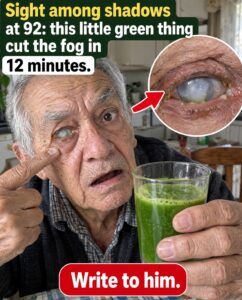
What exactly is the “little green thing” circulating on social media?
In many videos, that “little green thing” is often presented as a juice or smoothie made with leafy greens, cucumber, celery, lemon, or herbs. It sounds innocent, even healthy, and in some cases, it can be part of a balanced diet . But here’s the key: a drink alone doesn’t immediately correct vision problems or replace a professional eye exam.
The reality is simpler than the ads suggest: eye health depends on many factors, such as age, hydration, diet, management of conditions like diabetes or high blood pressure, and overall health. That’s why, when someone says “the fog cleared in 12 minutes,” it’s wise to take a deep breath and review the evidence before believing it.
What a green drink can do for your eye health
Nutritional research shows that certain foods provide nutrients linked to eye health, such as vitamin C, vitamin E, lutein, zeaxanthin, and antioxidants . These compounds help protect cells from oxidative damage and are part of a diet that promotes overall well-being.
But be aware: that doesn’t mean a glass of juice will “fix” your eyesight immediately. Rather, it can be a helpful addition to a consistent routine. Real improvement usually comes over time , not in minutes. And if there’s an underlying medical cause for your blurred vision, the juice won’t solve it.
Visual health is not sustained by miracles, but by repeated habits.
Warning signs: when blurred vision shouldn’t wait
There are symptoms that shouldn’t be ignored, especially in older adults. If vision changes suddenly, or if pain, flashes of light, new spots, or a “curtain” appears over your vision, you need medical attention as soon as possible.
It’s also important to ask a doctor if the blurred vision is accompanied by severe headaches, redness, nausea, or difficulty focusing in one eye. In these cases, it’s not the time to try internet remedies , but rather to seek a professional evaluation.
Seek medical attention soon if you notice:
• Sudden loss of vision
• Eye pain or severe sensitivity to light
• Persistent double vision
• New flashes, shadows, or floaters
• Redness with discharge or significant discomfort
Why do these posts go so viral?
This type of content works because it taps into a very human emotion: the fear of losing independence. Seeing better means being able to read, cook, go out, recognize grandchildren, and move around with confidence. When a video promises an easy, quick, and homemade solution, the brain wants to believe it.
Furthermore, stories involving elderly relatives often generate immediate empathy. However, just because something is emotionally resonant doesn’t mean it’s true. Scientific evidence demands more than mere testimony : it requires studies, context, and reproducible results.
In fact, reviews on nutrition and eye health suggest potential benefits from certain dietary patterns, but they don’t support the instant effects seen in sensationalist publications. That difference matters a lot.
What ingredients are commonly found in these drinks and what are they used for?
Below, I’ve included a simple guide to help you understand what a green smoothie typically contains and what it actually provides.
| Frequent ingredient | General contribution | What it doesn’t do |
|---|---|---|
| Spinach or kale | Lutein, folate, antioxidants | It doesn’t instantly clear the visual fog |
| Cucumber | Hydration and freshness | It does not replace an eye exam. |
| Lemon | Vitamin C and flavor | It does not correct focus problems |
| Celery | Water and micronutrients | It does not treat eye diseases |
As you can see, these are useful foods within a diet, but not a magic bullet. The difference between supporting and resolving a problem is enormous, and in eye health, that difference can change important decisions.
Habits that do help take care of your eyesight every day
If you want to take practical action starting today, focus on what makes medical and nutritional sense. Consistency matters more than any viral promise.
Simple actions you can start today
1. Include leafy green vegetables in your meals several times a week.
2. Drink enough water throughout the day to avoid dryness.
3. Wear prescription glasses if you already have them, and replace them as directed by your eye care professional.
4. If you have diabetes or high blood pressure, keep those conditions under control.
5. Get regular eye exams, especially after age 60.
And here’s a very useful tip: if you enjoy a green drink, consume it as part of a balanced diet, not as a substitute for a doctor’s visit. That’s the safest way to view it in context.
How to evaluate a viral promise before sharing it
Before forwarding a health-related post, use this quick filter. It will save you from confusion and also help your family avoid unrealistic expectations.
• Does it promise results that are too fast?
• Does it claim to work for everyone equally?
• Does it avoid mentioning limitations or variable effects?
• Does it cite actual studies or only testimonials?
• Does it suggest replacing a doctor?
If you answered “yes” to several of these questions, it’s wise to be wary. Credibility in healthcare is built on evidence, not emotional appeals .
So, does the green drink work or not?
The honest answer is this: it may be a nutritious drink , but there’s no basis for claiming it clears your vision in 12 minutes. If it contains fruits and vegetables, it can provide valuable nutrients as part of a healthy diet. However, persistent or sudden blurred vision warrants a professional evaluation.
In other words, yes to good habits; no to miracle promises. And if an older person in your family is noticing changes in their vision, accompanying them to an appointment can be much more helpful than sharing a video.
Conclusion
Viral stories about a green drink that “cuts through the fog” are enticing because they offer speed and hope. But eye health requires something more serious: a balanced diet, medical checkups, and attention to warning signs. If you enjoy a green smoothie, use it as part of your routine, not as a substitute for a diagnosis. The best approach is to combine common sense with a professional checkup.
Frequently Asked Questions
Can a green drink improve eyesight immediately?
There is no solid evidence that a green drink improves vision in minutes. It may provide nutrients, but it is not a substitute for an eye exam or an instant fix for vision problems.
What nutrients are related to eye health?
The most frequently mentioned antioxidants in studies are lutein, zeaxanthin, vitamin C, vitamin E, and other antioxidants. Their intake usually comes from a varied diet, not from a single beverage.
When should I see a doctor for blurred vision?
You should seek medical attention if the blurriness appears suddenly, if there is pain, flashes of light, new spots, intense redness, or a loss of vision in one or both eyes.
Disclaimer: This content is for informational purposes only and is not a substitute for assessment, diagnosis, or treatment by a healthcare professional.


