
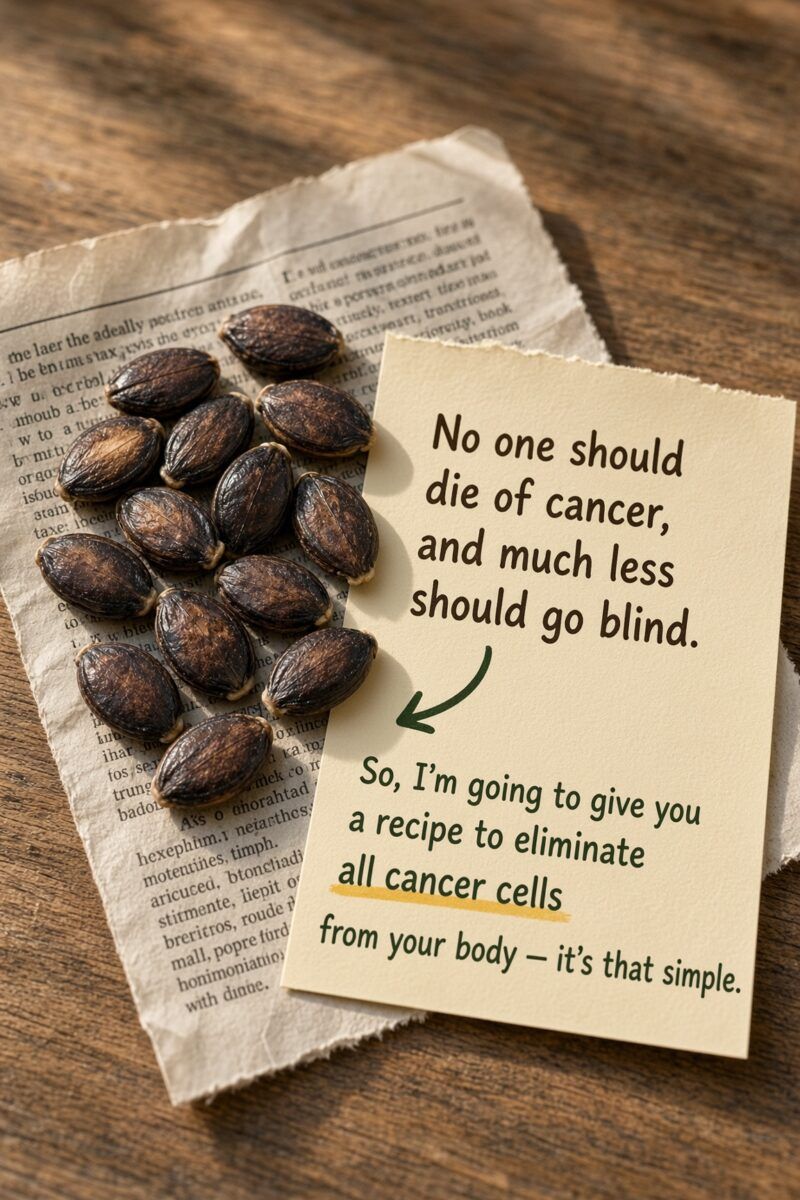
Apple seeds have been gaining attention on social media. Many people discuss their properties, specifically due to a natural compound called amygdalin. Some alternative sources suggest they might help fight cancer—but what does science have to say about this?
In this article, we will explain what is known about the topic in a clear, balanced, and measured way.
What Is Amygdalin?
Amygdalin is a substance found naturally in the seeds and pits of certain fruits, such as:
Apples
Apricots
Peaches
Cherries
Plums
Bitter almonds
When these seeds are chewed or crushed, amygdalin can break down and release hydrogen cyanide—a substance that is toxic in large quantities.
Why Are Apple Seeds Associated with Cancer?
This interest stems from long-standing claims that amygdalin (also known as laetrile) could selectively destroy cancer cells. While some laboratory studies and experiments on isolated cells have been conducted, clinical trials in humans have failed to demonstrate any consistent or safe benefits.
To date, major health organizations and experts agree: there is no reliable scientific evidence that apple seeds or amygdalin can cure or prevent cancer.
Is “Vitamin B17” Actually a Vitamin?
Despite its popular name, “vitamin B17” is not recognized as a vitamin by medical or nutritional authorities. The term has primarily been used within the context of alternative medicine to market amygdalin.
Are Apple Seeds Dangerous?
Accidentally swallowing a few whole seeds generally does not cause any issues, as the outer coating protects the contents, and the seeds are typically eliminated from the body naturally. Chewing or consuming large quantities, however, can increase the release of cyanide, which is not recommended.
Possible symptoms of excessive ingestion include headache, dizziness, nausea, difficulty breathing, and weakness. In severe cases, it can be dangerous.
What Does the Research Say?
Scientists have been studying amygdalin for decades. Although some laboratory experiments have shown certain effects on cancer cells, these results have not translated into safe and effective treatments for humans.
Products based on laetrile or concentrated amygdalin are not approved as cancer treatments in many countries, precisely due to a lack of proven efficacy and the risk of toxicity.
Online Claims and Misinformation
On social media and in online forums, it is common to see compelling stories about apple seeds or apricot kernels “curing” cancer. However, personal anecdotes are no substitute for scientific evidence.
Experts advise caution regarding unproven natural remedies, especially those that carry the risk of releasing cyanide.
Healthy Ways to Take Care of Your Health
Instead of seeking miraculous solutions in seeds, it is best to adopt habits backed by science:
Consume fruits and vegetables daily
Engage in regular physical activity
Do not smoke
Reduce the intake of ultra-processed foods
Undergo regular check-ups and preventive screenings
Always follow the guidance of medical professionals
Apples themselves remain an excellent fruit, rich in fiber and antioxidants when consumed in the usual way (peel and all).
Final Considerations
Apple seeds contain amygdalin, which can release cyanide when crushed. Although some alternative sources promote anti-cancer benefits, current scientific evidence does not support their use for treatment or prevention. Accidentally swallowing a few seeds is usually harmless, but intentionally consuming large quantities is not safe.
When it comes to cancer prevention and treatment, the best approach remains medical supervision, healthy habits, and evidence-based treatments.
Did you find this content helpful? Share it with someone who might be interested, and stay informed through reliable health resources. If you have any questions, leave them in the comments! 🍎
(Informative article based on scientific consensus. It does not replace a medical consultation.)


