
Discover the potential health benefits of beetroot juice, including energy support, exercise performance, heart health, and essential nutrients. Learn how to make fresh beet juice at home.
Beetroot Juice: A Vibrant Drink for Energy and Everyday Wellness
If you’re looking for a natural way to add more nutrients to your daily routine, beetroot juice is worth exploring. Known for its deep red color and earthy flavor, this vibrant drink provides essential nutrients and naturally occurring plant compounds that may support energy metabolism, exercise performance, and overall wellness.
Beetroot is more than just a colorful root vegetable. It contains dietary nitrates, folate, potassium, and antioxidant compounds that make it an interesting addition to a balanced diet. Whether you enjoy it before a workout or as part of your morning routine, fresh beetroot juice can be a refreshing way to incorporate more plant-based nutrition into your day.
Let’s explore its nutritional value, potential health benefits, and a simple recipe you can prepare at home.
What Is Beetroot Juice?
Beetroot juice is made by extracting the liquid from fresh beets, also known as red beets. These root vegetables are recognized for their distinctive crimson color, which comes from natural pigments called betalains.
Beets contain several nutrients and bioactive compounds, including:
- Dietary nitrates: Compounds that the body can convert into nitric oxide, which helps blood vessels relax.
- Folate (vitamin B9): A nutrient needed for normal cell division and red blood cell formation.
- Potassium: An essential mineral that supports normal muscle function and fluid balance.
- Betalains: Natural pigments with antioxidant properties.
- Vitamin C and other micronutrients: Present in varying amounts depending on the beetroot and preparation method.
Juicing makes beets easier to drink, although it generally removes much of the fiber found in whole beets. For this reason, both whole beetroot and beetroot juice can have a place in a healthy eating pattern.
7 Potential Health Benefits of Beetroot Juice
1. May Support Exercise Performance
One of the most widely studied benefits of beetroot juice is its potential effect on physical performance.
Dietary nitrates in beetroot can be converted into nitric oxide in the body. Nitric oxide helps regulate blood vessel function and may improve the efficiency of oxygen use during certain types of exercise.
Some research suggests that nitrate-rich beetroot juice may help support endurance and exercise efficiency, particularly during aerobic activities. However, the results vary depending on the individual, exercise type, dose, and timing.
How to enjoy it: Some athletes drink beetroot juice before exercise. If you want to try it, start with a small serving and see how your body responds.
2. Helps Support Healthy Blood Pressure
Beetroot juice has attracted attention for its potential role in supporting healthy blood pressure.
Its naturally occurring nitrates may increase nitric oxide production, helping blood vessels relax and allowing blood to flow more easily. Clinical studies have found that beetroot juice can modestly reduce blood pressure in some people, although the effect is not the same for everyone.
Beetroot juice should be viewed as a dietary option rather than a replacement for prescribed blood pressure medication. If you take medication for high blood pressure, consult your healthcare professional before making significant changes to your routine.
3. Provides Nutrients for Everyday Energy Metabolism
Feeling energetic throughout the day depends on many factors, including sleep, hydration, overall calorie intake, and nutrient status.
Beetroot contains folate and other nutrients involved in normal cellular processes. Folate contributes to the formation of healthy red blood cells and helps the body use energy from food through normal metabolic functions.
Although beetroot juice can contribute useful nutrients, it is not a guaranteed solution for persistent tiredness. Ongoing fatigue may have many causes and deserves medical evaluation when it is unexplained or persistent.
4. Supports Cardiovascular Wellness
Healthy blood vessels are important for delivering oxygen and nutrients throughout the body. The dietary nitrates in beetroot may support normal blood vessel function through their role in nitric oxide production.
Some studies have explored beetroot juice’s effects on blood pressure and other cardiovascular markers. These findings are promising, but more research is needed to understand its long-term effects on cardiovascular health.
For a heart-conscious eating pattern, combine beetroot with vegetables, fruits, whole grains, legumes, nuts, and other nutritious foods.
5. Supplies Antioxidant Plant Compounds
Beetroot gets its rich red-purple color from betalains, natural plant pigments with antioxidant activity in laboratory studies.
Antioxidants help protect cells from oxidative damage as part of the body’s normal defense systems. Beetroot also contains other plant compounds that contribute to its nutritional profile.
However, laboratory antioxidant activity does not automatically mean that drinking beetroot juice prevents or treats a particular disease. Its best role is as one component of a varied, nutrient-rich diet.
6. Contributes to Normal Digestive Health
Whole beetroot contains dietary fiber, which helps support regular bowel movements and a healthy digestive system.
Fresh beetroot juice, however, typically contains much less fiber than whole beets because some of the pulp is removed during preparation. If digestive health is your main goal, eating whole or lightly cooked beets may be more beneficial than drinking only the juice.
You can also combine beetroot juice with a balanced diet containing vegetables, fruits, beans, and whole grains to help meet your daily fiber needs.
7. Adds Variety to a Nutrient-Rich Diet
One simple way to improve your eating habits is to include a wider range of colorful plant foods.
Beetroot juice offers a distinctive flavor and natural color while providing nutrients and plant compounds. You can enjoy it on its own or combine it with ingredients such as apples, carrots, ginger, or lemon.
Remember that no single drink supplies every nutrient your body needs. Variety and consistency matter more than relying on one so-called superfood.
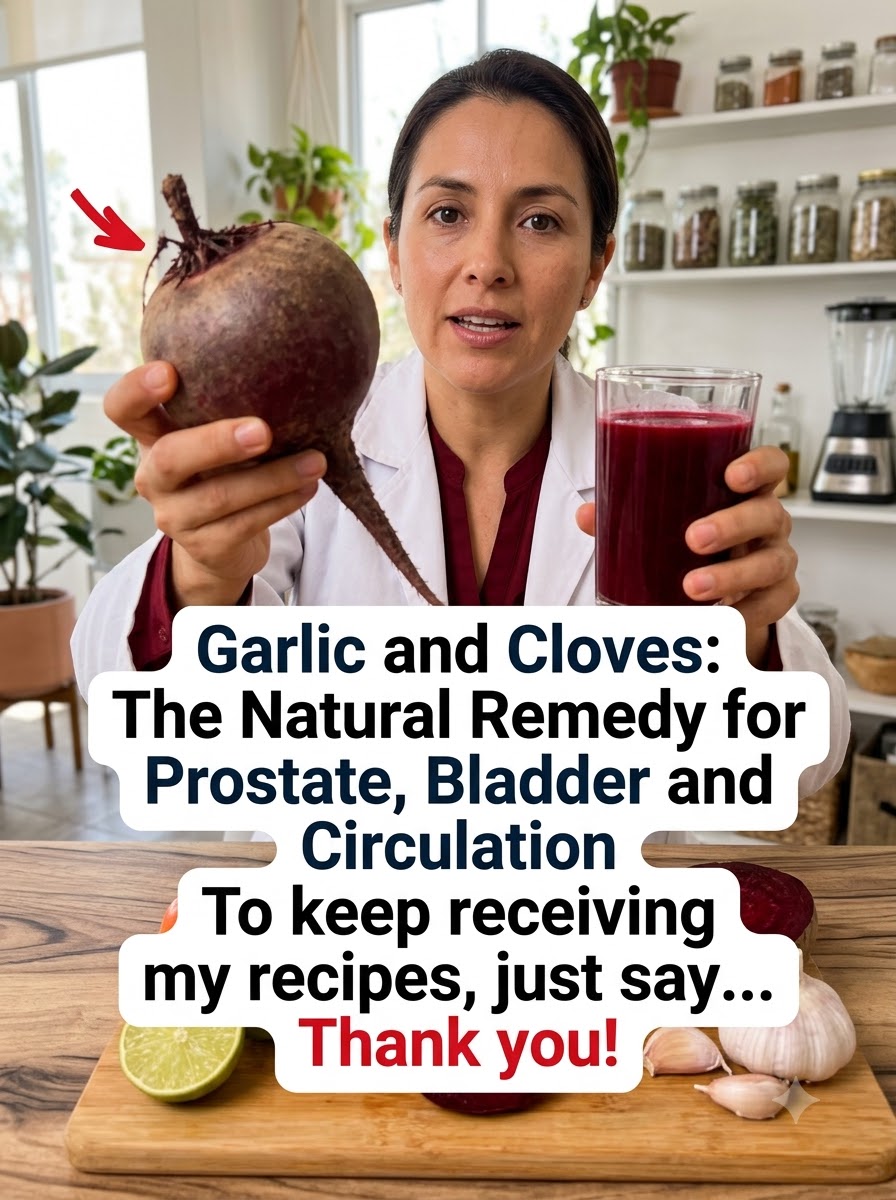
Easy Homemade Beetroot Juice Recipe
Making beetroot juice at home requires only a few ingredients and a blender or juicer.
Ingredients
- 1 small fresh beetroot
- 1 medium apple
- 1/2 lemon
- 1 small piece of fresh ginger (optional)
- 1/2–1 cup of water, as needed
Instructions
- Wash the beetroot, apple, lemon, and ginger thoroughly.
- Peel the beetroot if desired and cut it into small pieces.
- Remove the apple core and cut the apple into chunks.
- Add the beetroot, apple, ginger, lemon juice, and water to a blender.
- Blend until smooth.
- Strain the mixture if you prefer a thinner drink, or keep the pulp to retain more fiber.
- Serve immediately, preferably without adding extra sugar.
Tip: If you’re new to beetroot juice, begin with a small serving. Its earthy taste can be strong, so adding apple or lemon may make it more enjoyable.
When Is the Best Time to Drink Beetroot Juice?
There is no single best time for everyone. Your preferred timing can depend on your goals and how your body responds.
- In the morning: Enjoy a small glass alongside breakfast as part of a balanced routine.
- Before exercise: Some research on nitrate-rich beetroot juice uses it approximately two to three hours before exercise, although benefits are not guaranteed.
- With a meal: Drinking it alongside food may be a comfortable option for people who find concentrated juice too strong on an empty stomach.
You do not need to drink beetroot juice every day to maintain a healthy diet. Regularly eating a variety of vegetables and fruits is more important than following a rigid juice schedule.
Possible Side Effects and Precautions
Beetroot juice is suitable for many people in moderate amounts, but there are a few points to keep in mind.
It May Temporarily Change Urine or Stool Color
Beetroot’s natural pigments can cause pink or reddish urine or stool in some people. This effect can be harmless after eating beets. However, do not automatically assume that red discoloration is caused by food, especially if it persists or is accompanied by pain or other symptoms.
It Contains Naturally Occurring Oxalates
Beets contain oxalates, which can contribute to kidney stone formation in susceptible individuals. People with a history of calcium oxalate kidney stones may need individualized dietary advice from a healthcare professional.
It May Lower Blood Pressure
Because beetroot juice may modestly lower blood pressure, people who already have low blood pressure or take blood pressure medication should discuss regular, concentrated consumption with their healthcare professional.
Be Mindful of Portion Size and Sugar Intake
Beetroot juice contains natural sugars, and juicing can make it easier to consume more than you would eat in whole vegetables. If you have diabetes or are monitoring carbohydrate intake, consider portion size and your overall meal plan.
Choose Fresh, Properly Washed Ingredients
Wash produce thoroughly and refrigerate fresh juice promptly. For food safety and quality, prepare only what you can consume soon and discard juice that has been stored improperly or shows signs of spoilage.
Beetroot Juice vs. Whole Beetroot: Which Is Better?
Both options provide useful nutrients, but they differ in important ways.
| Feature | Beetroot Juice | Whole Beetroot |
|---|---|---|
| Dietary fiber | Usually lower, especially when strained | Higher |
| Convenience | Easy to drink | Requires chewing and preparation |
| Nutrient intake | Provides some nutrients and plant compounds | Provides nutrients along with fiber |
| Portion control | Easy to drink a large amount quickly | Often more filling |
| Best use | A convenient addition to a balanced diet | A versatile vegetable for meals |
If you enjoy juice, you can include it in moderation while continuing to eat whole vegetables. You do not have to choose one exclusively.
Frequently Asked Questions
Can I drink beetroot juice every day?
Many healthy adults can include a moderate serving as part of a balanced diet. However, the right amount depends on your health, medications, dietary needs, and tolerance. People with kidney stone concerns or low blood pressure should seek personalized advice.
Does beetroot juice give you energy immediately?
Not necessarily. Beetroot juice supplies nutrients, but it does not act like a stimulant and is not guaranteed to produce an immediate energy boost. Its possible exercise benefits are related mainly to dietary nitrate and may vary between individuals.
Is beetroot juice good before a workout?
It may help support endurance or exercise efficiency in some circumstances. Research often examines nitrate-rich beetroot juice consumed a few hours before exercise, but results are mixed and it is not a substitute for adequate sleep, hydration, and balanced nutrition.
Can beetroot juice detox the liver or kidneys?
There is insufficient evidence that beetroot juice detoxifies the liver or kidneys or removes toxins from the body. These organs already perform essential waste-processing functions. Beetroot juice can contribute nutrients, but it should not be used as a detox treatment.
Is fresh beetroot juice better than bottled juice?
Fresh juice can offer control over ingredients and added sugar. Bottled products can also be convenient, but check the label for added sugars, serving size, and storage instructions. Nutrient levels vary with processing and storage.
Final Thoughts
Beetroot juice is a colorful, flavorful drink that can add variety to your daily nutrition. Its naturally occurring nitrates have been studied for their potential role in exercise performance and healthy blood pressure, while its folate, potassium, and plant pigments contribute to its nutritional value.
The key is to enjoy beetroot juice as part of a balanced lifestyle rather than treating it as a cure or a substitute for medical care. Pair it with whole vegetables, fruits, adequate hydration, regular physical activity, and sufficient sleep to support your overall well-being.
A simple glass of beetroot juice can be one small step toward a more varied and nutritious daily routine.


