
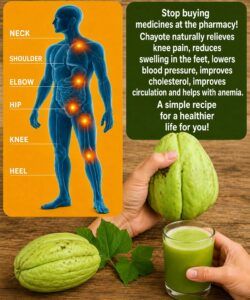
Chayote (Sechium edule), also known as chayote, mirliton , or vegetable pear, is a simple, inexpensive, and extremely versatile food that is increasingly gaining space on the table of those seeking a more natural and healthy diet.
With its mild flavor and crunchy texture, chayote is perfect for everyday meals. Rich in fiber, vitamins, minerals, and antioxidants, it offers several benefits with very few calories. Let’s talk in a light and practical way about why it’s worth including this humble vegetable in your routine.
What is chayote?
Chayote is a pear-shaped fruit from the Cucurbitaceae family with a light green peel. Although botanically a fruit, it is consumed as a vegetable. It has a very mild taste, resembling a mixture of zucchini and cucumber.
Almost all of it is used:
- The fruit
- The seed (very soft when cooked)
- The leaves
- The sprouts
- Even the root (called chayote root)
In Brazil, it’s super popular in soups, stir-fries, salads, and even juices.
Nutritional Value of Chayote
A medium-sized chayote squash offers a good amount of important nutrients, including:
- Rich in fiber
- Good source of Vitamin C
- Contains Folate (Vitamin B9)
- It contains Potassium , Magnesium , Zinc , and Copper.
- Full of antioxidants
And the best part: it’s very low in calories , fat, and sodium. Ideal for those who want to eat well without gaining weight.
Main Benefits of Chayote
Here are the main reasons why chayote is gaining fame as a superfood:
- Aids Digestion: The fiber in chayote squash contributes to good bowel function, helps reduce bloating, and promotes lighter and more regular digestion.
- It can help control glucose levels. Because it is low in carbohydrates and high in fiber, it can help keep blood sugar levels more balanced — a great option for those who want to take care of their health naturally.
- Good for the Heart: The potassium, fiber, and antioxidants present in chayote squash are allies of cardiovascular health, and can help maintain blood pressure and cholesterol at healthier levels.
- Rich in Antioxidants: Contains substances such as quercetin, myricetin, and vitamin C, which help fight oxidative stress and protect the body’s cells.
- Aids in Healthy Weight Loss: With few calories, high water content, and fiber, chayote provides satiety and is an excellent choice for those seeking to lose weight in a balanced way.
- Important during pregnancy: It is a good natural source of folate, an essential nutrient for the baby’s development, especially in the first weeks of gestation.
- It Can Help with Healthy Aging: Antioxidants and vitamin C contribute to skin health by stimulating collagen production and helping to combat the signs of aging.
How to eat chayote?
Versatility is one of its greatest strengths. You can eat it raw or cooked.
- Grated raw in salads (it’s delicious with lemon, olive oil and herbs).
- Sautéed with garlic and onion
- In soups and broths
- Oven baked with spices
- Steamed
- Blend into juices and smoothies
- The leaves can be used to make tea.
Many people describe chayote as a “versatile” vegetable that absorbs the flavors of spices well.
Chayote Leaf Tea
In folk medicine, chayote leaf tea has long been used to help balance blood pressure and promote kidney health. As with everything in life, it’s best to consume it in moderation and with common sense.
Are there any side effects?
Chayote is considered safe for most people when consumed normally. Some people may experience digestive discomfort if they overindulge, but this is rare. As always, variety and balance are key.
Conclusion
Chayote is one of those simple, accessible foods full of qualities that deserve more prominence in our diet. Light, nutritious, and versatile, it combines perfectly with a healthier and more natural lifestyle.
If you’re not already in the habit of eating chayote, how about trying it this week? A soup, a stir-fry, or a fresh salad can make all the difference.
Do you eat chayote often? What’s your favorite recipe with it? Leave it in the comments! 🌿
Main keywords: chayote benefits, chayote, chayote for weight loss, chayote for diabetes, chayote leaf tea, chayote recipes.
This article is written in a light and educational style, ideal for social media and blogs.


