
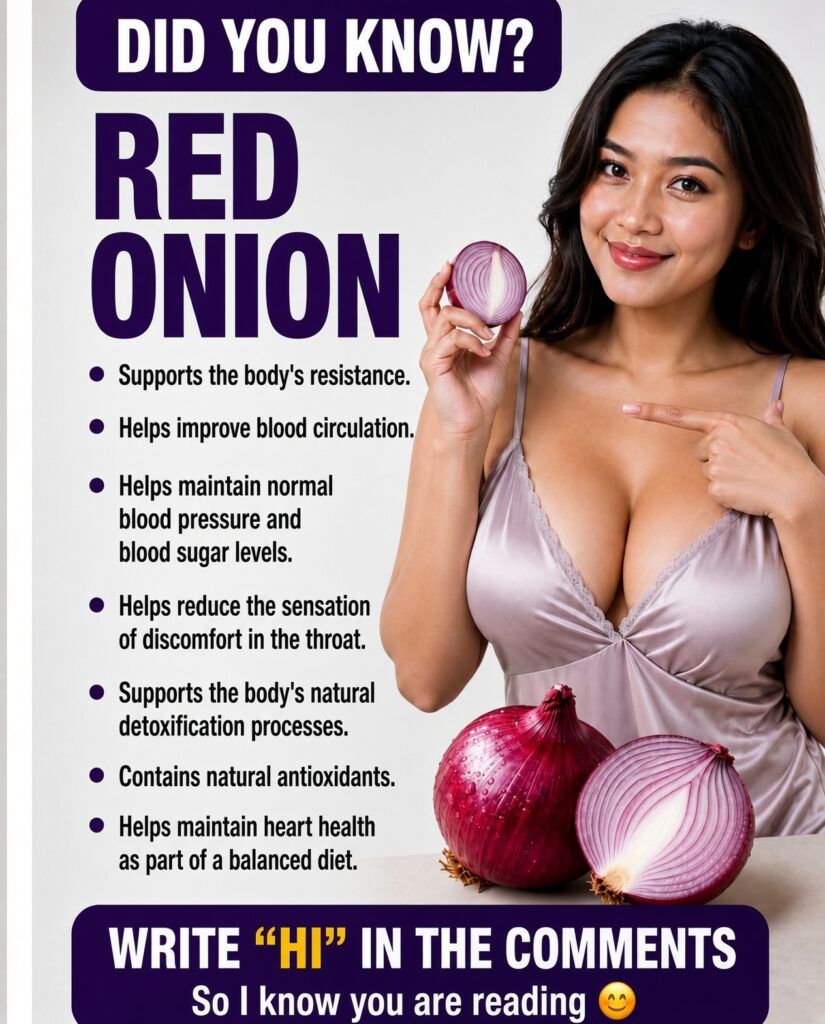
Red onions are much more than just an ingredient used to add flavor and aroma to meals. Present in kitchens from different parts of the world, they also attract attention for providing fiber, vitamin C, sulfur compounds, and antioxidants , including flavonoids such as quercetin.
This doesn’t mean that onions are a cure-all or a miracle cure. However, when consumed regularly as part of a balanced diet, they can contribute to several important bodily functions.
Next, see why it’s worth including this simple and affordable food in your diet.
🧅 1. Contributes to the body’s natural defenses.
Onions provide vitamin C and various antioxidant plant compounds. These nutrients participate in important processes related to the normal functioning of the immune system.
Furthermore, a varied diet, rich in fruits, vegetables, legumes, and other minimally processed foods, helps provide the necessary nutrients to maintain the body’s defenses.
Therefore, onions can be part of this dietary strategy — but they should not be considered a way to prevent or treat flu, colds, or other illnesses.
❤️ 2. It can be part of a heart-healthy diet.
Among the compounds found in onions is quercetin , a flavonoid that has been extensively studied for its antioxidant activity.
Sulfur compounds are also present, which are partly responsible for the characteristic aroma of onions.
A diet that regularly includes vegetables can contribute to cardiovascular health. Onions are a simple way to increase the variety of plant-based foods consumed daily.
It’s important to remember that no single food can “clean the arteries” or replace medical care for cardiovascular problems.
🩸 3. And what about blood circulation?
Healthy circulation depends on many factors: diet, physical activity, blood pressure, cholesterol levels, smoking, sleep, and individual health conditions.
Some components of onions are being studied for their possible relationship with vascular function and cardiovascular health.
In practice, the most realistic benefit lies in using onions as part of a healthy eating pattern, along with vegetables, fruits, beans, whole grains, seeds, and adequate sources of protein.
🌿 4. Red onion and glucose control: what do we know?
There is scientific interest in the compounds present in onions and their possible effects on glucose metabolism.
However, this does not mean that eating onions alone is capable of controlling blood sugar levels.
For people with diabetes or prediabetes, the total quantity and quality of carbohydrates consumed, physical activity, professional monitoring, and, when necessary, medication remain fundamental aspects.
Onions can be included in a balanced diet as usual, unless otherwise directed by an individual.
💜 5. Interesting source of antioxidants
The characteristic purplish color of red onions is related to the presence of anthocyanins , plant pigments also found in foods such as red fruits, purple grapes, and red cabbage.
In addition to these, onions contain other antioxidant flavonoids.
These substances help protect cells against oxidative stress. Therefore, consuming a variety of colorful vegetables is a good way to increase the diversity of bioactive compounds in your diet.
🌱 6. It can contribute to gut health.
One less discussed benefit of onions is related to their fiber and fructans , carbohydrates that can act as a substrate for certain gut bacteria.
For this reason, onions can be part of a diet that promotes a diverse gut microbiota.
On the other hand, people sensitive to FODMAPs or with certain gastrointestinal disorders may experience gas, bloating, or abdominal discomfort after consuming large amounts of onions.
In this case, individual tolerance should be respected.
🤧 7. Onion for flu, cough and sore throat: tradition is not the same as treatment.
Recipes featuring onions, honey, or infusions have been around for generations in different cultures, and many people enjoy these preparations when they have a cold.
A warm drink can be comforting, especially when it helps with hydration. However, there is no reason to consider onions a treatment capable of eliminating viruses or curing respiratory infections.
Severe symptoms, shortness of breath, persistent fever, or worsening of the condition warrant medical evaluation.
🫀 8. Does it support the “detoxification” of the body?
Here, there is an important difference between colloquial language and how the body works.
We don’t need a specific food to perform an internal “cleanse.” The liver, kidneys, intestines, and lungs already continuously participate in the transformation and elimination of substances from the body.
Onions provide nutrients and plant compounds that can be part of a diet beneficial to the health of these systems, but they do not function as a detox product.
Sufficient water, a balanced diet, adequate sleep, and reducing excessive alcohol consumption are far more important measures.
🥗 How to include red onion in your daily diet
One of the advantages of onions is their versatility. Some simple ways to use them are:
- Raw: in salads, vinaigrettes, sandwiches and side dishes.
- Sautéed: combined with beans, rice, eggs, vegetables or meat.
- Roasted: it becomes naturally sweeter and combines well with other vegetables.
- In soups and stews: it adds flavor without requiring large amounts of salt.
- Canned: can accompany salads and main dishes, paying attention to the amount of salt or sugar used in the preparation.
Cooking onions alters some of their compounds, but that doesn’t mean they lose all their nutritional value. Alternating between raw and cooked preparations is a practical option.
⚠️ Are there any precautions to take when consuming onions?
For most people, onions in culinary quantities are safe. Still, some people may experience heartburn, reflux, gas, or bloating.
It is also not recommended to apply raw onion or its juice directly to the skin as a home treatment without proper guidance. Contact can cause irritation, especially in sensitive skin.
Anyone with a health condition that requires a specific diet should follow the recommendations of their doctor or nutritionist.
🌟 The secret lies in the overall diet.
Red onions deserve a place in the kitchen not because they are a “natural remedy,” but because they are a flavorful, versatile plant-based food rich in various nutritional compounds.
Its consumption can contribute to a diet that promotes cardiovascular health, intestinal function, antioxidant intake, and overall nutrition .
The most important point is not to rely on a single ingredient. The greater the variety of vegetables, fruits, legumes, and other nutritious foods present on the plate, the more complete the diet tends to be.
Conclusion
Red onions are a great example of how everyday ingredients can offer much more than just flavor. Their antioxidants, fiber, and sulfur compounds make them an interesting option to complement a healthy diet.
Include it in your diet however you like best — raw, roasted, or cooked — and embrace its benefits as part of a balanced lifestyle, without promises of cures or immediate results .
Important information: This content is for educational purposes only and does not replace diagnosis, treatment, or follow-up performed by healthcare professionals.


