
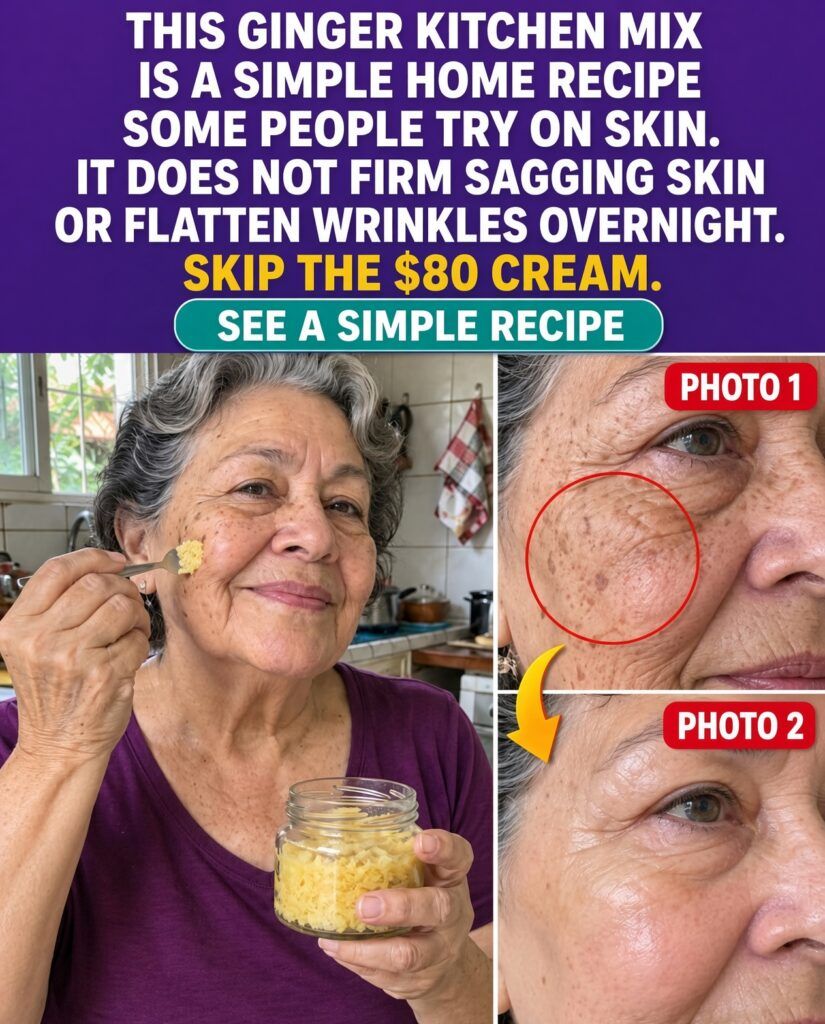
Have you ever looked in the mirror in the morning and noticed your face looking more tired, with less firm skin and more marked lines? There are simple habits that can greatly support the face’s appearance, and one of the most talked-about is ginger. Used well, it can become a practical ally to give skin a fresher, softer, better-cared-for feeling.
Why Do So Many People Talk About Ginger for Skin?
Ginger has been used for generations in home remedies for its natural profile. In facial care, many people seek it because it can help stimulate the massage routine, improve the skin’s feeling, and complement other hydrating ingredients. It performs no miracles on its own, but it can be part of consistent care that favors a better-looking face.
What It Can Do — and What Shouldn’t Be Promised
No natural ingredient erases wrinkles overnight. But ginger can support a facial routine because it contains antioxidant compounds and can complement facial massage. The key is not “removing years” all at once, but improving the skin’s appearance consistently and safely.
Ingredients for a Simple Homemade Formula
You Need:
- 1 teaspoon of very finely grated fresh ginger
- 1 tablespoon of natural honey
- 1 tablespoon of plain unsweetened yogurt
- 1 teaspoon of pure aloe vera gel
Honey helps retain moisture, yogurt brings a soft texture, and aloe vera can give a calming sensation. Ginger is used in small amounts to avoid irritation.
How to Prepare It Step by Step
Wash your hands well and mix all ingredients in a clean container until you get a smooth paste. If the ginger pieces are large, crush them better. Let the mixture rest 3 to 5 minutes. Do not heat it; for the face it is better fresh and in small amounts.
How to Apply It Safely at Home
Do a patch test on a small area of the forearm; wait 15 to 20 minutes. If there is no burning, strong redness, or itching, apply a thin layer on clean skin, avoiding the eye area, lips, and any wounds or irritation. Leave on 8 to 10 minutes, rinse with lukewarm water, and pat dry gently.
Habits That Really Help Notice a Difference
- Use sunscreen every day, even when cloudy
- Drink enough water throughout the day
- Sleep well — skin looks more rested
- Clean the face with a gentle product, without harsh soap
- Apply moisturizer after washing the face
Quick Table: Ginger in the Facial Routine
| Ingredient | Possible benefit | Caution |
|---|---|---|
| Ginger | Supports freshness and facial massage | Can irritate if used in excess |
| Honey | Helps keep moisture in the skin | Don’t use if allergic |
| Plain yogurt | Brings soft texture and calming feeling | Avoid if skin is very sensitive |
| Aloe vera | Can give relief and softness | Use pure, clean gel |
Signs You Should Stop Using It
Rinse immediately and don’t use it again if you notice intense burning, itching, hives, lasting redness, or a burning sensation. Avoid it with dermatitis, rosacea, eczema, very damaged skin, or strong dermatological treatments — consult a health professional first.
Common Mistakes That Irritate Skin
Using too much ginger, leaving the mask on too long, or applying it every day. Use only 1 or 2 times per week and always follow with hydration after rinsing.
Boost the Result
After removing the mask, apply a gentle moisturizer. At night, finish with a few drops of light facial oil or a ceramides cream. And remember: daily sunscreen is one of the most powerful steps for visible change.
Frequently Asked Questions
Does ginger really help with wrinkles? It can support the routine through its natural compounds and massage, but doesn’t erase wrinkles immediately.
Can I use pure ginger directly on my face? Not recommended — it can irritate. Mix with gentle ingredients and patch-test first.
How many times per week? 1 or 2 times per week; stop if skin gets dry or red.
Medical disclaimer: This content is informational and does not replace the evaluation of a doctor or dermatologist.


