
As we age, it’s common to experience a decline in energy and strength in our legs. For people in their 60s, 70s, and 80s, this can be frustrating, as everyday activities like walking, climbing stairs, or simply getting up from a chair become more challenging. However, it’s essential to understand that a lack of energy and weakness in the legs are not irreversible problems. This article will explore the underlying causes of this fatigue and offer advice on how to strengthen your legs through a combination of healthy habits, specific exercises, and a balanced diet.
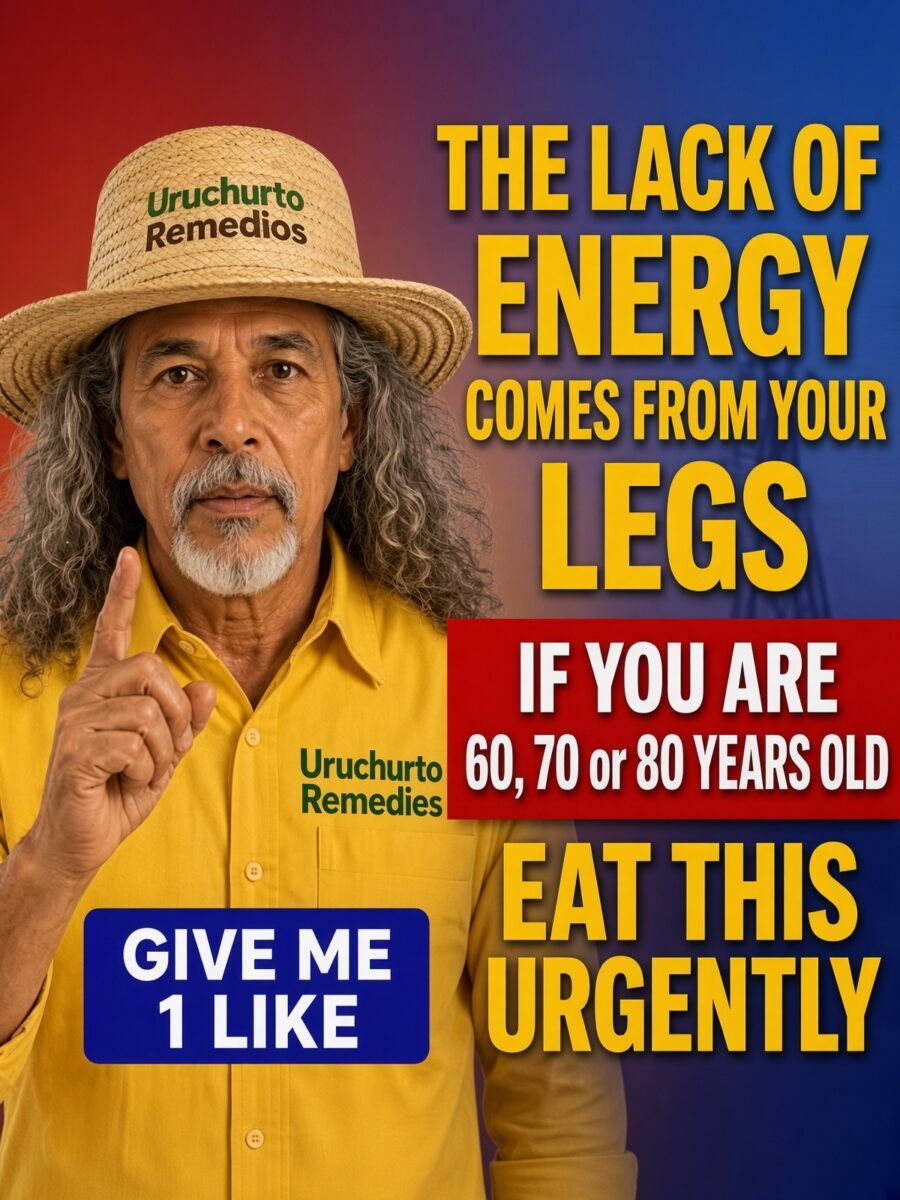
Our legs are fundamental to almost all of our daily activities and play a crucial role in maintaining balance and mobility. With age, specifically from age 60 onward, a reduction in muscle mass, known as sarcopenia, can occur, which can affect mobility. This natural process can be intensified by a sedentary lifestyle or poor nutrition, which could increase the risk of falls and dependence in everyday activities.
Fortunately, it’s never too late to start taking care of our muscles. Simple and effective initiatives can begin to make a positive difference in leg strength and endurance. Here we’ll discuss the importance of a proper diet, regular exercise, hydration, and rest as fundamental pillars for recovering and maintaining energy in the lower limbs.
Why Do Legs Feel Weak?
Leg weakness can result from a variety of factors, from natural aging to underlying medical conditions. As we age, our muscles lose mass and tone, which can make everyday activities difficult. Lack of physical activity not only contributes to muscle weakness but can also lead to a vicious cycle where weakness leads to less activity, which in turn causes more weakness.
Sarcopenia is the term used to describe the natural loss of muscle mass and strength associated with age. This phenomenon does not occur in the same way in everyone, but it can intensify the difficulty of performing daily tasks and increase the risk of falls and injuries. Therefore, it is essential to implement habits that promote muscle health and overall well-being.
The Importance of Nutrition in Muscle Strength
A balanced diet is key to maintaining strong, healthy muscles. Protein, in particular, plays a vital role, as it is the primary nutrient for building and repairing muscle tissue. Older adults need to pay special attention to their protein intake. Here are some excellent sources of this nutrient:
- Eggs
- Fish and seafood
- Lean meat such as chicken or turkey
- Dairy products such as natural yogurt and cheese
- Legumes such as lentils, chickpeas, and beans
- Dried fruits such as almonds and walnuts
- Soybeans and soybean products
It’s not just about increasing the amount of protein in your meals, but about distributing your protein intake throughout the day. Incorporating these protein sources into each meal will not only aid muscle recovery, but will also boost your energy and vitality.
Carbohydrates for Sustainable Energy
In addition to protein, carbohydrates are essential for energy. However, it’s crucial to focus on those that are rich in fiber and nutrients. Choosing healthier carbohydrates will contribute to a steady energy supply without causing blood sugar spikes. Some recommended carbohydrates include:
- Oatmeal
- Brown rice
- Fruits like bananas and apples
- Whole grains such as corn and sweet potato
Incorporating these elements into a balanced meal, including protein, carbohydrates, and vegetables, can significantly improve energy throughout the day and make daily activities much more manageable.
The Role of Vitamin D in Muscle Health
Vitamin D is another essential component for healthy muscles and bones. Vitamin D deficiency can lead to muscle weakness and pain. This nutrient can be obtained from foods such as fatty fish, egg yolks, and fortified products. However, caution is advised, as an overdose of vitamin D can be harmful. It is advisable to consult a healthcare professional before making significant changes to your supplement intake.
Exercises to Increase Leg Strength
There is no substitute for physical activity in the fight against muscle weakness. An exercise routine that combines aerobic activity and strength training is key. It is recommended to do at least 150 minutes of moderate exercise each week. Some safe forms of exercise that can be implemented include:
- Regular walks
- Heel lift exercises
- Resistance band training
- Balance exercises, such as Tai Chi
Remember that any new exercise regimen should be discussed with a doctor, especially if you have any pre-existing conditions or health issues that might advise against it. Start slowly and gradually increase the intensity, avoiding injuries.
The Importance of Hydration
Many factors can contribute to fatigue, and one of the most common is dehydration. As we age, our sense of thirst may decrease, which can lead to reduced fluid intake. Make sure you drink enough water regularly throughout the day and incorporate soups and fruits with high water content to maintain good hydration.
The Value of Rest
Getting enough rest is essential for the recovery of both body and mind. Sleep problems are common among older adults, which can lead to a persistent feeling of fatigue. Maintaining a regular sleep schedule, limiting caffeine, and reducing the use of electronic devices before bed are practices that can improve sleep quality. If sleep problems persist, it is vital to seek professional help.
When to See a Doctor
If you experience sudden weakness in your legs, it’s crucial not to ignore it. These sensations can be symptoms of more serious conditions such as heart problems or chronic illnesses. It’s always advisable to see a doctor if the weakness prevents you from carrying out daily activities or occurs alongside other symptoms such as shortness of breath or chest pain.
Conclusion
Lack of energy in the legs after age 60, 70, or 80 is not inevitable. With a combination of a balanced diet, regular exercise, adequate hydration, and restful sleep, it’s possible not only to regain strength but also to enjoy an active and independent life. The key is to focus on small, sustainable changes that gradually improve our quality of life as we age.


