
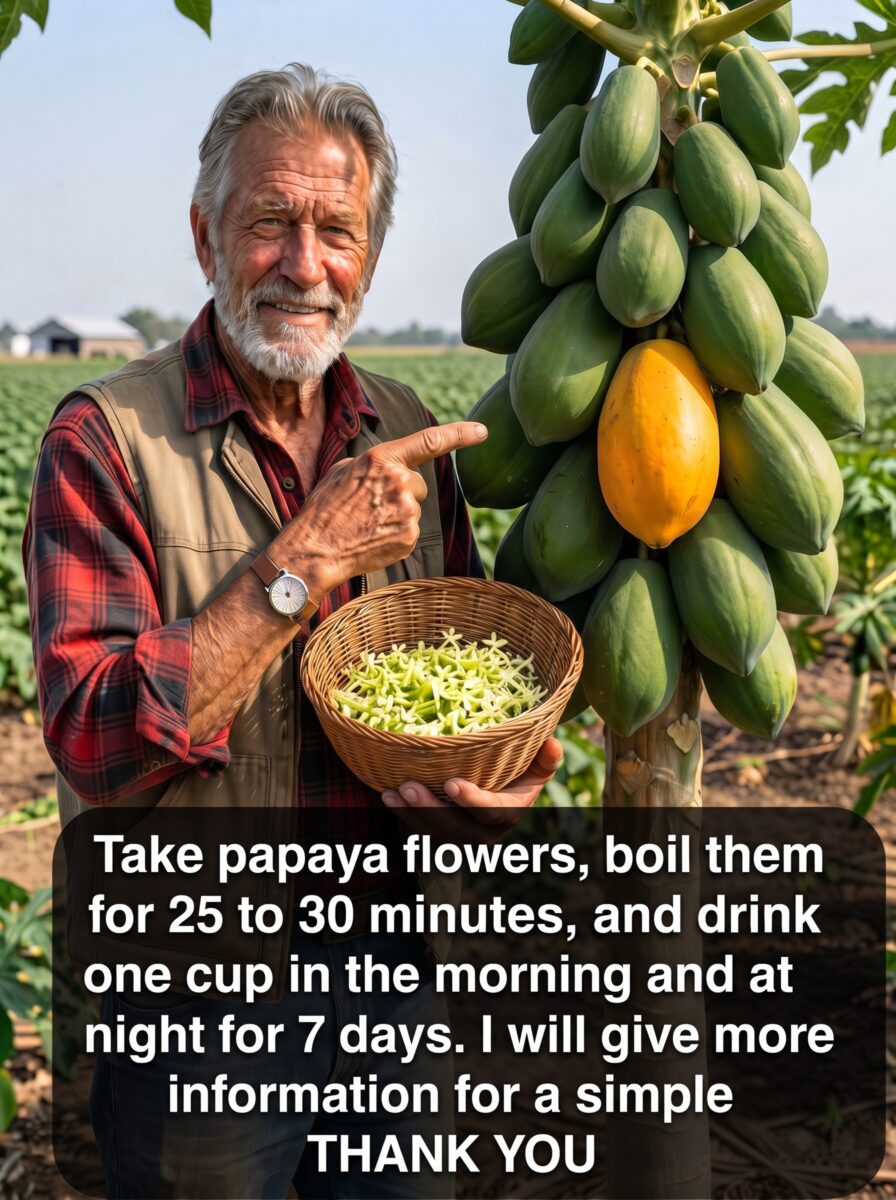
Papaya is mostly known for its sweet, tropical fruit, but the plant’s flowers also appear in traditional practices across certain regions. In specific cultural contexts, papaya flowers are used in cooking or prepared as an infusion.
Papaya flower tea can be made by boiling fresh flowers in water. In traditional wellness practices, this type of preparation has been used in various ways; however, scientific evidence regarding specific benefits remains limited.
If you are curious about papaya flower tea, learning the traditional preparation method, suggested consumption guidelines, and safety precautions can help you approach this herbal beverage responsibly.
What Are Papaya Flowers?
Papaya flowers grow on the Carica papaya plant. Depending on the variety and the sex of the plant, the papaya tree can produce different types of flowers.
In some cultures, fresh flowers are used in cooked recipes or infusions. Like other parts of the papaya tree, they contain natural compounds that spark scientific interest, though research on specific effects in humans is still scarce.
Traditional Preparation of Papaya Flower Tea
A traditional method involves boiling fresh papaya flowers in water to make an herbal infusion.
Ingredients
10 grams of fresh papaya flowers
1 liter of water
Instructions
Wash the flowers thoroughly with clean water.
Place about 10 grams of fresh flowers in a pot with 1 liter of water.
Bring to a boil and simmer over low heat for about 25 to 30 minutes.
Turn off the heat and let the preparation rest.
Strain the liquid and allow it to cool to a comfortable drinking temperature.
How Is Papaya Flower Tea Traditionally Consumed?
According to the traditional preparation described here, the suggested amount is:
1 cup (250 ml) in the morning
1 cup (250 ml) at night
For a maximum of 7 days
This is a traditional preparation, not an established medical dose. There is currently no widely recognized therapeutic dosage for papaya flower tea based on robust clinical evidence. For this reason, prolonged use should be avoided unless a qualified healthcare professional advises otherwise.
Why Are Papaya Flowers Used in Tradition?
Papaya flowers have been part of traditional herbal practices for generations. Different cultures may use them as food, in cooked dishes, or as infusions. Traditional use is typically supported by accumulated cultural knowledge rather than modern clinical trials.
Current research also examines parts of the papaya tree because they contain various natural compounds. Even so, specific evidence regarding the flowers is much more limited than general research on the fruit or other parts of the plant.
What Does Science Say About Papaya Flowers?
Scientific studies have identified compounds in different parts of the papaya tree and investigated antioxidant activity along with other biological properties. However, laboratory findings and traditional use do not automatically prove a medicinal effect in humans.
Today, there is little clinical evidence that drinking papaya flower tea treats or prevents any specific disease. This distinction matters when discussing traditional herbal preparations. A plant can be interesting from a nutritional or phytochemical standpoint and still require more research before any health claims can be made.
Papaya Flower Tea as a Traditional Wellness Beverage
Consumed occasionally, papaya flower tea can be viewed as a traditional herbal beverage. Some people are drawn to plant-based infusions because they offer a way to explore culinary and cultural practices tied to local plants.
Even so, herbal teas do not replace medical care. If persistent or unusual symptoms occur, identifying the cause is more important than relying on a traditional infusion.
Important Safety Precautions
Although the papaya flower is a natural part of the plant, concentrated preparations may not be suitable for everyone. The safety of the infusion can depend on the quantity consumed, existing health conditions, pregnancy, breastfeeding, and the use of medications.
Consult a healthcare professional before consuming papaya flower tea if you:
Are pregnant
Are breastfeeding
Take continuous or prescription medications
Have a chronic health condition
Have an allergy to papaya or related plants
Intend to use the preparation for a specific medical purpose
If you experience any unexpected reaction after drinking the infusion, discontinue use and seek appropriate medical guidance.
Why Pregnancy and Breastfeeding Require Extra Care
Pregnancy and breastfeeding are periods when caution regarding herbal products should be heightened. Even when a plant has a long history of traditional use, it does not mean its safety during these stages has been established by adequate clinical research.
Therefore, pregnant and breastfeeding individuals should consult a healthcare professional before consuming concentrated herbal preparations like papaya flower tea.
How to Choose Papaya Flowers
If you decide to prepare papaya flowers as food or as a traditional infusion, the quality of the plant material matters.
Choose flowers that:
Look fresh and healthy
Have no visible mold
Have been thoroughly washed
Come from a clean growing environment
Have not been exposed to pesticides or other contaminants
Avoid picking flowers by the roadside or in areas where chemical products may have been applied.
Frequently Asked Questions
What are papaya flowers used for? In different cultures, papaya flowers have been used as food and in herbal preparations. Specific medicinal benefits have not yet been sufficiently established by clinical research.
How do you make papaya flower tea? Use about 10 grams of fresh flowers for 1 liter of water. Wash the flowers, simmer for 25 to 30 minutes, let steep, and strain.
How much papaya flower tea can you drink? In the traditional preparation described here, the suggested amount is one 250 ml cup in the morning and another at night, for a maximum of 7 days.
Does papaya flower tea replace medical treatment? No. It is a traditional herbal preparation and should not be used in place of prescribed medical treatment.
Can pregnant women drink papaya flower tea? Pregnant women should consult a healthcare professional before consuming preparations containing papaya flower, as safety evidence for this specific use is limited.
Can breastfeeding women drink papaya flower tea? If you are breastfeeding, consult a healthcare professional before consuming the tea, especially if regular use is intended.
Final Considerations
Papaya flowers are an interesting part of the Carica papaya plant and appear in traditional dietary and herbal practices across various regions.
A traditional infusion can be prepared with 10 grams of fresh flowers and 1 liter of water, simmered for about 25 to 30 minutes, and left to rest before straining. The traditional portion described here is 250 ml in the morning and 250 ml at night, for up to 7 days.
Scientific evidence regarding the medicinal benefits of papaya flower tea remains limited. It is best viewed as a traditional herbal preparation rather than a proven treatment for any health condition.
This content is for educational purposes and does not replace guidance, diagnosis, or treatment from a healthcare professional.
Would you like help formatting or adapting this translation for a specific platform, or do you have any other texts you’d like translated?


