
## The Plant
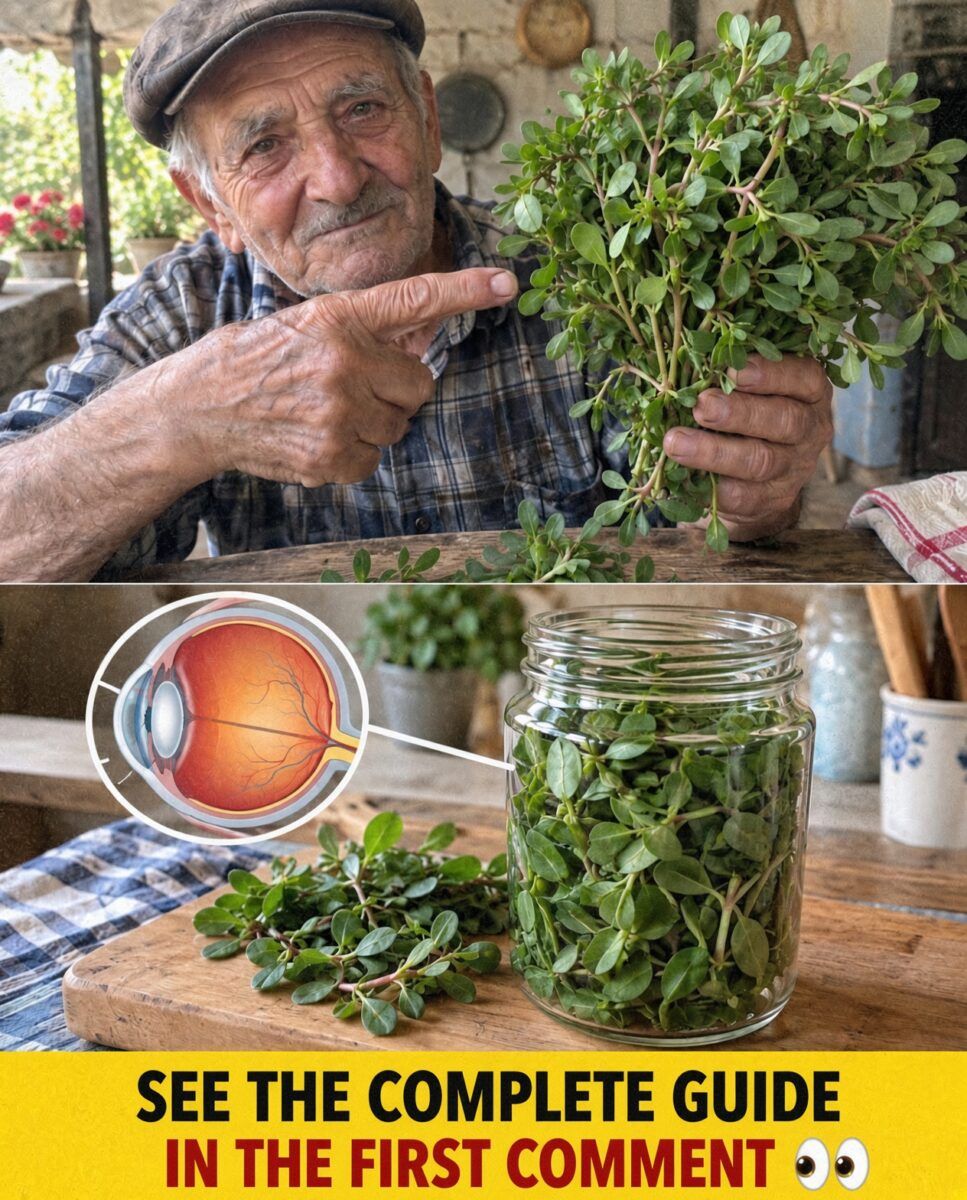
Purslane (Portulaca oleracea) — the common “weed” with fleshy leaves; used as food and folk medicine across the Mediterranean.
## What Is Actually in It
Omega-3 (ALA) — purslane is genuinely one of the richest leafy sources of plant omega-3. Vitamins A, C, E and betalains — real antioxidants. What it isn’t: an eye medicine — it’s a nutritious green.
## What the Evidence Supports
Eye health: vitamin A and antioxidants genuinely matter for eyes — but eating purslane doesn’t treat cataracts, glaucoma, or macular degeneration; the poster implies more than nutrition. Nutrition: genuinely excellent — omega-3, minerals, antioxidants in a free weed. The eye diagram: compelling imagery, but no study shows purslane fixing vision. Honest verdict: a superb wild green; the eye claims are nutritional poetry.
## Safety Notes
Kidney stones: purslane is high in oxalates — caution if you’re stone-prone. Don’t self-treat eye disease: cataracts, glaucoma, and retinal problems need ophthalmology. Foraging: pick from clean soil — roadsides and sprayed lawns are not food sources. Pregnancy: medicinal doses of purslane have traditional warnings — food amounts are fine.
## How to Use It Wisely
Eat it as the genuinely nutritious green it is — salads, soups, sautés. Protect eyes the proven way: sunglasses, screen breaks, regular eye exams. Keep eye symptoms with the eye doctor — not the weed patch.
## Conclusion
Purslane is a genuinely outstanding wild green — omega-3 in a weed is remarkable. But “the forgotten plant for your eyes” is the poster’s poetry; nutrition supports eyes, it doesn’t repair them. Eat the purslane. Guard the eyes with the real tools.
This article is for informational purposes only and does not replace professional medical advice. Consult your trusted ophthalmologist for any eye condition or vision changes.


