
As we age, it’s natural for our eyes to undergo a number of changes. From the age of 60 onward, many people begin to notice they need more light to read, experience increased sensitivity to glare, or perceive that their vision isn’t as sharp as it once was. However, given this, the internet is rife with claims about how certain foods can restore vision overnight. But are these claims true? In this article, we’ll explore the importance of nutrition for eye health, the foods that can benefit our eyesight, and debunk common myths related to diet and vision loss.
The Importance of Nutrition in Eye Health
The health of our eyes is intrinsically linked to what we eat. While there is no magic food that can instantly reverse conditions like cataracts, maintaining a balanced, nutrient-rich diet is essential for supporting normal visual function. Nutrients such as lutein, zeaxanthin, beta-carotene, vitamin C, and vitamin E are crucial for eye health and may contribute to reducing the risk of age-related diseases.
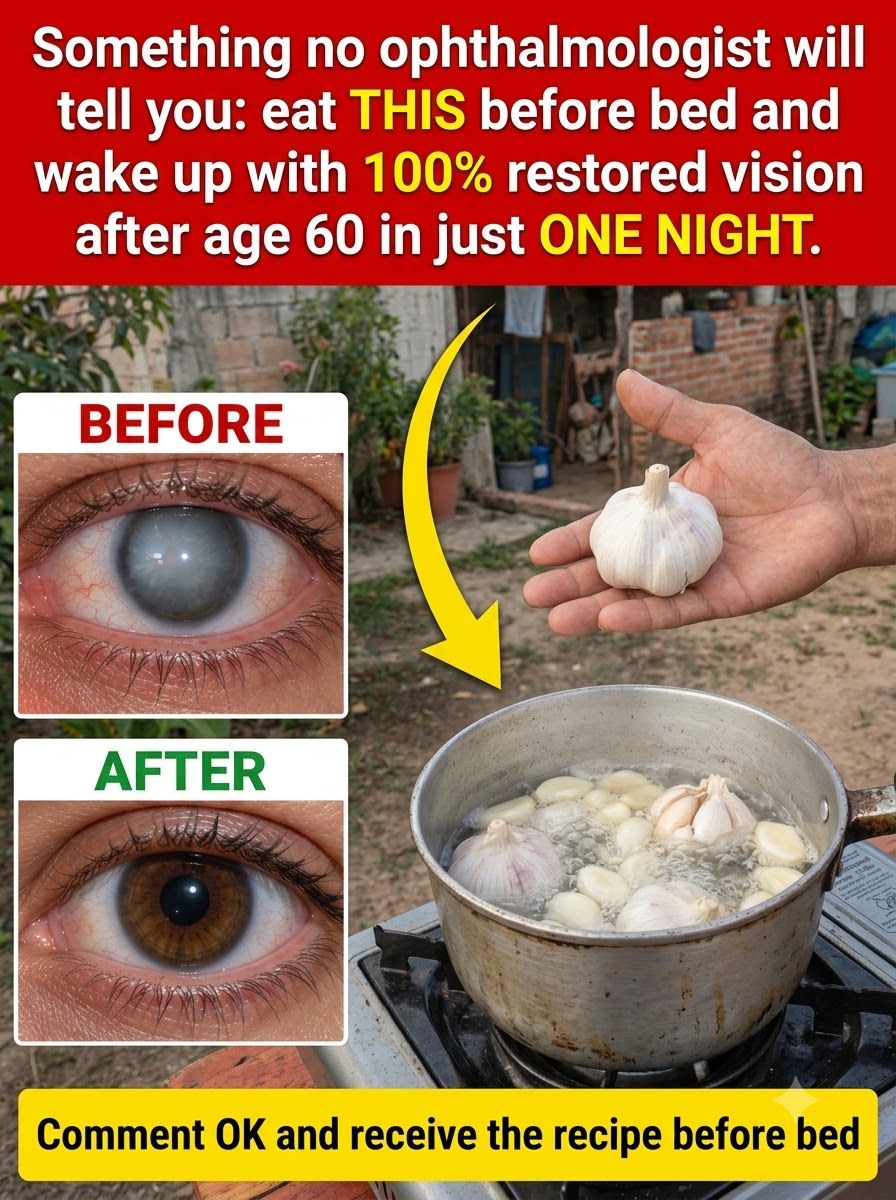
Vision changes in older age, such as cataracts, are common. Cataracts occur when the lens of the eye becomes cloudy, affecting the clarity of vision. While it’s important to dispel the myth that a simple meal eaten before bed can fix these problems, exploring the benefits of certain foods can reveal ways to consciously and effectively support our eye health.
One of the most common recommendations is to include leafy green vegetables, such as spinach and kale, in your diet. These contain lutein and zeaxanthin, two antioxidants that accumulate in the retina and can help filter harmful light, thus protecting the eye’s structures.
Key Foods for Eye Health
Besides leafy green vegetables, there are other foods that can be beneficial for eye health. Eggs are an excellent source of lutein and zeaxanthin, as well as other essential nutrients. Including eggs in balanced dinners, accompanied by vegetables and lean protein, can be a delicious and nutritious way to care for our eyes.
Carrots, famous for their beta-carotene content, are another food that shouldn’t be missing from our diet. Beta-carotene is converted into vitamin A in the body, an essential vitamin for eye health. Fruits like citrus fruits and bell peppers, which are rich in vitamin C, are also important for combating oxidative stress that can affect eye health.
It’s important to note that while these foods can complement a healthy diet, there is no solid evidence to suggest that consuming them specifically before bed results in a rapid improvement in vision. The idea that a special “nighttime food” can restore eyesight is a myth, and it’s better to focus on maintaining healthy eating habits regularly.
Debunking Myths about Eye Health
One of the most common claims in popular culture is that certain foods or home remedies can eliminate cataracts or significantly improve vision in a short period of time. However, this is not the reality. Cataracts and other age-related eye problems require proper medical evaluation and, in some cases, may need medical or surgical treatment.
Ophthalmologists and eye care professionals often recommend regular eye exams to assess eye health, especially after age 60. It’s important to remember that while a healthy diet is essential for supporting eye health, it cannot replace necessary medical treatment if more serious problems arise.
If a surgical procedure has been recommended, it is crucial to discuss any concerns with the specialist and, if necessary, seek a second opinion. Cataract surgery, for example, is not based solely on age, but also considers the severity of symptoms and their impact on daily quality of life.
Other Foods Good for Eyesight
The list of foods that can contribute to eye health is extensive. For example, oily fish, such as salmon and mackerel, are rich in omega-3 fatty acids, which are crucial for maintaining retinal health. We can also include nuts and seeds, which are valuable sources of vitamin E and antioxidants, essential for protecting eye cells from oxidative damage.
A comprehensive approach that includes a nutritious diet, regular checkups, and the use of sunscreen for the eyes can help preserve your vision as you age. Remember that eye health goes beyond cataract removal; there are many factors to consider to maintain clear, healthy vision throughout your life.
Conclusion
Vision loss is a process many people face as they approach 60, but a healthy diet can be key to maintaining good eye health. Incorporating foods rich in lutein, zeaxanthin, beta-carotene, and other essential nutrients can be beneficial for eyesight; however, we shouldn’t fall into the trap of seeking quick fixes. Eye health should be approached holistically, combining a nutritious diet with regular checkups with an ophthalmologist. Invest in your health, and your eyes will thank you for it today and in the future.


