
Rice water is one of those simple traditional remedies that has attracted renewed attention in natural wellness and beauty routines. Made by soaking or cooking rice in water, this cloudy liquid contains some of the nutrients and compounds found naturally in rice.
For generations, rice water has been used in different cultures as a traditional hair rinse, skin treatment, and refreshing drink. Today, many people are interested in it because it is inexpensive, easy to prepare, and requires only two basic ingredients: rice and water.
But what does rice water actually do, and how should you use it?
Let’s explore the potential benefits, preparation methods, and important things to know before adding rice water to your daily routine.
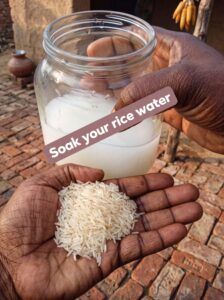
What Is Rice Water?
Rice water is simply the starchy liquid left after rice has been soaked or cooked in water.
Depending on the preparation method, rice water may contain small amounts of:
- Starch
- Carbohydrates
- Certain B vitamins
- Minerals
- Antioxidant compounds
- Other naturally occurring compounds from rice
The exact composition can vary depending on the type of rice, the amount of water used, and whether the rice is soaked, boiled, or fermented.
Unlike many commercial beauty products, rice water is inexpensive and can be prepared at home within minutes.
1. Rice Water May Support Healthy-Looking Hair
One of the most popular uses of rice water is as a hair rinse.
Rice contains starch, and some of that starch passes into the surrounding water during soaking or cooking. When used as a hair rinse, rice water may leave the hair feeling smoother and easier to manage.
Some people use it because they believe it can:
- Reduce the appearance of frizz
- Make hair feel smoother
- Improve manageability
- Give hair a temporary glossy appearance
- Help hair feel less rough
However, it is important to distinguish between traditional use and scientifically established effects. There is limited high-quality clinical evidence showing that rice water directly causes faster hair growth.
If you enjoy using rice water, think of it as a simple hair-care rinse rather than a guaranteed hair-growth treatment.
2. It May Help Hair Feel Stronger and Smoother
The starch in rice water can coat the surface of the hair.
This may temporarily make individual strands feel smoother and more conditioned. For people with dry or tangled hair, this can make brushing and styling easier.
However, using too much rice water may have the opposite effect for some hair types. A buildup of starch or protein-like residue can make hair feel stiff, dry, or heavy.
For this reason, moderation is important.
3. Rice Water Is Traditionally Used for Skin Care
Rice-based water has also been used in traditional beauty routines.
Because rice water contains starch and other rice-derived compounds, some people apply it to their skin as a gentle homemade toner or rinse.
It may leave the skin feeling:
- Soft
- Clean
- Refreshed
- Temporarily smoother
However, homemade rice water should not be considered a treatment for acne, eczema, pigmentation, or other skin diseases.
If you have sensitive skin, always test a small amount on an inconspicuous area before applying it more broadly.
4. It Can Be a Simple, Refreshing Drink
In some cultures, rice water is consumed as a traditional beverage.
When rice is cooked in plenty of water, some starch moves into the liquid. The resulting drink can be mild and easy to consume.
Some people enjoy rice water:
- Warm
- Chilled
- With a small amount of honey
- With cinnamon or ginger for flavor
Keep in mind that rice water is not nutritionally equivalent to eating whole rice. Depending on how it is prepared, it may contain mostly water and carbohydrates while providing much less fiber and protein than the original grain.
5. Rice Water and Digestion
Rice water has traditionally been used in some cultures as a gentle food or drink when someone has digestive discomfort.
Because it is relatively simple and contains carbohydrates, some people find it easy to consume.
However, rice water should not be viewed as a medical treatment for diarrhea, dehydration, stomach infections, or other digestive conditions.
When significant fluid loss occurs, proper oral rehydration solutions are more appropriate because they are specifically formulated to replace water and electrolytes.
6. It Provides a Simple Way to Reduce Food Waste
Another appealing feature of rice water is that it can make use of something that might otherwise be discarded.
Instead of pouring away the cloudy water left from preparing rice, you can save it for certain household or beauty uses.
This makes rice water an inexpensive option for people interested in simple, low-waste routines.
How to Make Rice Water at Home
There are several ways to prepare rice water.
Method 1: Soaked Rice Water
This is one of the easiest methods.
Ingredients:
- ½ cup uncooked rice
- 2–3 cups clean water
Instructions:
- Rinse the rice thoroughly.
- Place the rice in a clean bowl.
- Add 2–3 cups of water.
- Let it soak for about 20–30 minutes.
- Stir the rice gently.
- Strain the liquid into a clean container.
- Use it immediately or refrigerate it.
For homemade preparations, refrigeration is preferable if you are not using the rice water immediately.
Method 2: Boiled Rice Water
You can also make rice water while cooking rice.
Ingredients:
- ½ cup rice
- 4 cups water
Instructions:
- Rinse the rice.
- Add rice and water to a pot.
- Bring the water to a boil.
- Simmer until the water becomes cloudy and the rice begins to soften.
- Strain the liquid.
- Allow it to cool before using.
This method generally produces a more concentrated, starchy liquid.
How to Use Rice Water for Hair
If you want to try rice water as a hair rinse, keep the routine simple.
Step 1: Wash Your Hair
Clean your hair with your usual shampoo.
Step 2: Apply Rice Water
Pour or spray a small amount of rice water onto the hair and scalp.
Step 3: Massage Gently
Use your fingertips to distribute the liquid through the hair.
Avoid aggressively rubbing the scalp.
Step 4: Leave It Briefly
You can leave it on for approximately 5–10 minutes when trying it for the first time.
Step 5: Rinse Thoroughly
Wash the hair with clean water.
If your hair becomes dry, stiff, or difficult to manage, reduce the frequency or discontinue use.
How Often Should You Use Rice Water on Your Hair?
There is no universally established schedule.
A reasonable approach is to start with once a week and see how your hair responds.
People with dry, coarse, curly, or chemically treated hair may need to be particularly careful because excessive starch buildup could make the hair feel less soft.
If your hair feels smooth and comfortable, you can continue occasionally. If it becomes dry or brittle, stop using it.
Can You Drink Rice Water Every Day?
Rice water is generally a simple food preparation, but drinking it every day is not necessary to obtain the nutritional benefits of rice.
If you drink rice water, remember that it should complement a balanced diet rather than replace nutritious foods.
For everyday nutrition, whole grains, vegetables, fruits, legumes, nuts, seeds, and adequate protein provide a broader range of nutrients.
Can Rice Water Make Hair Grow Faster?
This is one of the most common claims surrounding rice water.
Although rice water has a long history of traditional hair-care use, there is not enough strong clinical evidence to conclude that applying rice water directly makes hair grow faster.
Hair growth depends on many factors, including genetics, hormones, age, nutritional status, scalp health, and overall health.
So while rice water may make hair feel smoother or easier to manage, it should not be presented as a guaranteed hair-growth solution.
Rice Water vs. Fermented Rice Water
Some beauty routines involve fermenting rice water before using it.
Fermentation can change the composition and acidity of the liquid. However, homemade fermented products can also become contaminated if prepared or stored improperly.
If you choose to experiment with fermented rice water, hygiene and storage are especially important.
For beginners, freshly prepared rice water is a simpler option.
Important Safety Tips
Although rice water is simple, homemade preparations should still be handled carefully.
Use Clean Containers
Always use a thoroughly washed container when preparing or storing rice water.
Avoid Keeping It at Room Temperature for Long Periods
Homemade rice water can spoil because it contains nutrients that microorganisms can use.
Refrigerate it if you are keeping it for later use.
Check for Changes
Discard rice water if it develops:
- An unpleasant smell
- Visible mold
- Unusual discoloration
- A strange texture
When in doubt, throw it away.
Perform a Patch Test
If you’re using rice water on your skin, apply a small amount to a limited area first.
Stop using it if you experience redness, itching, burning, or irritation.
Who Should Be Careful With Rice Water?
People with very sensitive skin or scalp should introduce homemade rice water cautiously.
If you have an existing skin condition, scalp disorder, severe hair loss, or persistent digestive symptoms, it is better to discuss the issue with an appropriate healthcare professional rather than relying on rice water alone.
Natural does not automatically mean risk-free.
Frequently Asked Questions
Does rice water really help hair?
Rice water may make hair feel smoother and easier to manage because of its starch content. However, strong evidence that it significantly accelerates hair growth is lacking.
How long can homemade rice water last?
Because homemade rice water has no preservatives, it should be refrigerated and used promptly. If it develops an unusual smell, appearance, or texture, discard it.
Can rice water be used on the face?
Some people use rice water as a traditional facial rinse. If you try it, use a clean preparation and patch-test first.
Is rice water good for the stomach?
Rice water has traditionally been consumed as a mild beverage, but it should not replace appropriate treatment or oral rehydration solutions when someone has significant diarrhea or dehydration.
Can I use rice water every day on my hair?
Daily use is generally unnecessary. Start occasionally and observe how your hair responds. Too much may cause buildup or make some hair types feel dry or stiff.
Final Thoughts
Rice water is a simple traditional preparation that can be used in several ways, particularly as an occasional hair rinse or refreshing beverage.
Its popularity comes partly from its simplicity: all you need is rice, water, and a few minutes of preparation.
However, it’s important to separate traditional beauty practices from scientifically proven medical effects. Rice water may help hair feel smoother and more manageable, but claims that it can dramatically accelerate hair growth or treat health conditions are not well established.
If you decide to try it, start with a small amount, keep the preparation clean, store it properly, and pay attention to how your body, skin, or hair responds.
Simple ingredients can be useful—but they work best when used realistically and safely.


