
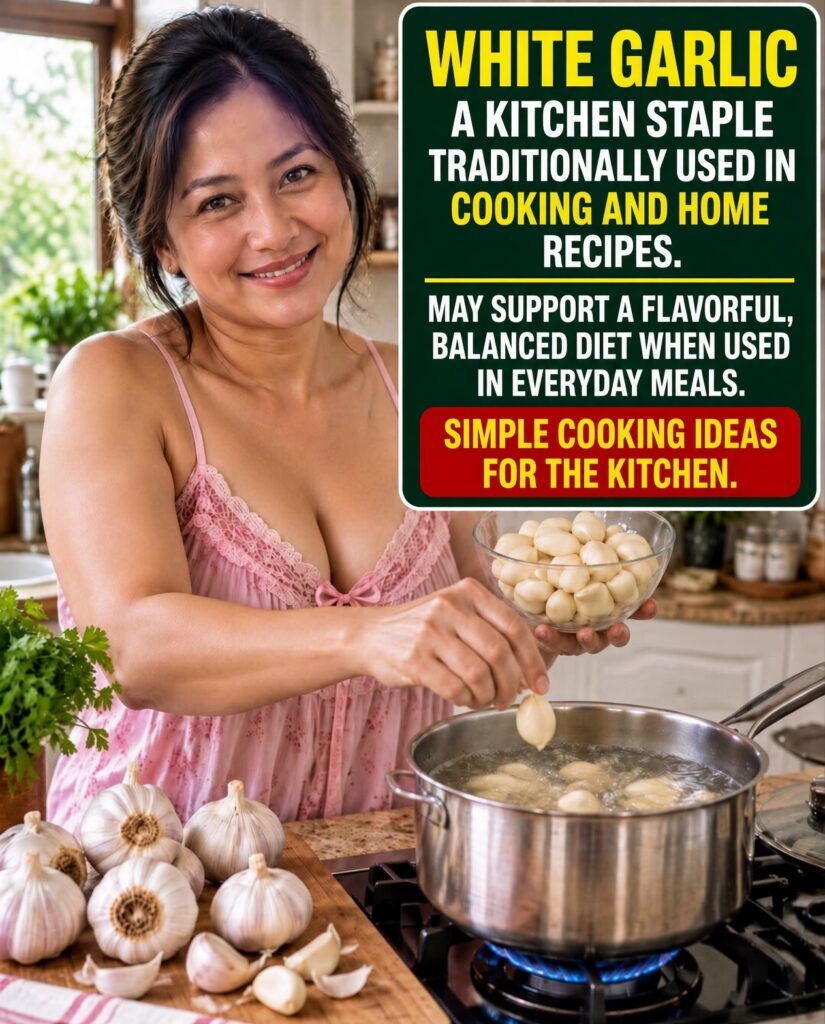
Garlic has been present in kitchens across cultures for centuries — practically indispensable in preparing rice, beans, meats, vegetables, sauces, and many other recipes.
Beyond its characteristic flavor and aroma, fresh garlic contains natural compounds of scientific interest. Among them is allicin, formed mainly when a fresh clove is cut, crushed, or minced.
This doesn’t make garlic a “remedy for everything.” The most balanced way to see it is as a nutritious, aromatic food that can complement a healthy eating routine.
What Happens When Garlic Is Crushed?
Intact garlic contains substances that, once the clove is cut or crushed, take part in forming allicin. For this reason, some people prefer to crush garlic and wait a few minutes before using it. Allicin and other sulfur compounds in garlic have been studied for their biological properties. However, lab results don’t automatically mean eating garlic can treat infections in the human body. This distinction matters especially given social media posts claiming garlic “kills dozens of bacteria” or eliminates different types of infection — a suspected or confirmed infection needs proper evaluation and, when necessary, specific medical treatment.
Antioxidant Action
Garlic provides different plant compounds with antioxidant activity, which take part in protecting cells from oxidative stress. Still, this benefit should be understood within the context of the whole diet. A routine rich in vegetables, fruits, beans, seeds, and whole grains offers far more variety of nutrients and protective compounds than relying on any single ingredient.
Garlic and Cardiovascular Health
This is one of the most researched aspects of garlic. Some studies suggest that garlic consumption or certain standardized preparations may produce modest effects on cardiovascular factors, including blood pressure and cholesterol levels in certain people. Results depend on the amount, the type of preparation, duration, and individual characteristics. Those with hypertension or high cholesterol should not stop medications to replace them with garlic or home recipes.
A Simple Advantage: More Flavor with Less Salt
There’s a very practical benefit that doesn’t require turning garlic into medicine: garlic, onion, herbs, lemon, and other seasonings make food tastier. For some people, using these seasonings makes it easier to reduce the amount of salt added to meals — a small change that can be especially interesting within heart-conscious eating.
How to Enjoy Garlic in Daily Cooking
No complicated routine needed. Garlic enters the diet naturally in preparations like seasoned beans, sautéed vegetables, soups, homemade sauces, meats, fish, and herb pastes. Combining different plant foods is more interesting nutritionally than concentrating large amounts of a single ingredient.
Warm Water with Garlic and Lemon — Honest Notes
A traditional wellness recipe combines fresh garlic, water, and lemon. It can be consumed as an occasional food drink, but there’s no need to drink it to obtain garlic’s nutritional benefits. Small culinary amounts in meals are usually enough — more garlic doesn’t necessarily mean more benefit and can increase digestive discomfort. People with sensitive stomachs may tolerate it better with a meal rather than on an empty stomach.
Who Should Be More Careful?
Special attention is recommended for people who use blood thinners, antiplatelet drugs, or other medications that interfere with clotting, since large amounts of garlic or concentrated supplements may favor bleeding. It’s also wise to talk to a health professional before significantly increasing consumption if there is a history of gastritis, ulcer, significant reflux, clotting disorders, or a scheduled surgery. Concentrated garlic supplements deserve even more caution — they don’t equal the small amount used to season food.
Conclusion: A Valuable Food, Without Miracle Promises
Garlic can be part of a balanced diet and offers interesting plant compounds, including sulfur substances studied for possible antioxidant and cardiovascular properties. But there’s a big difference between recognizing these characteristics and claiming garlic “cures infections” or “cleans arteries.” For long-term health, the path remains broader: varied diet, adequate physical activity, quality sleep, hydration, risk-factor monitoring, and health checkups when needed. Garlic can quietly take its place in that routine — not as a miracle cure, but as a traditional, tasty, interesting ingredient for more varied eating.
Note: This content is informational and does not replace medical diagnosis, guidance, or treatment prescribed by a health professional.


