
Discover the potential benefits of bitter leaf for blood sugar, cholesterol, blood pressure, digestion, and PCOS, plus how to prepare bitter leaf tea and what to know before using it.
Bitter Leaf Is More Than Just a Cooking Ingredient
Bitter leaf is a traditional leafy green widely used in African cooking, particularly in soups and stews. Its distinctive bitter taste may make it an acquired taste, but the plant has also attracted attention for its traditional wellness uses.
Some people prepare bitter leaf tea, fresh juice, or bitter leaf extract because they believe it may support blood sugar balance, cholesterol levels, blood pressure, digestion, and overall metabolic health.
Women with PCOS (polycystic ovary syndrome) may also be interested in bitter leaf because of its traditional use and the possibility that compounds in the plant could influence glucose metabolism.
But how much of this is supported by science?
Let’s take a closer look at what researchers have found—and what remains uncertain.
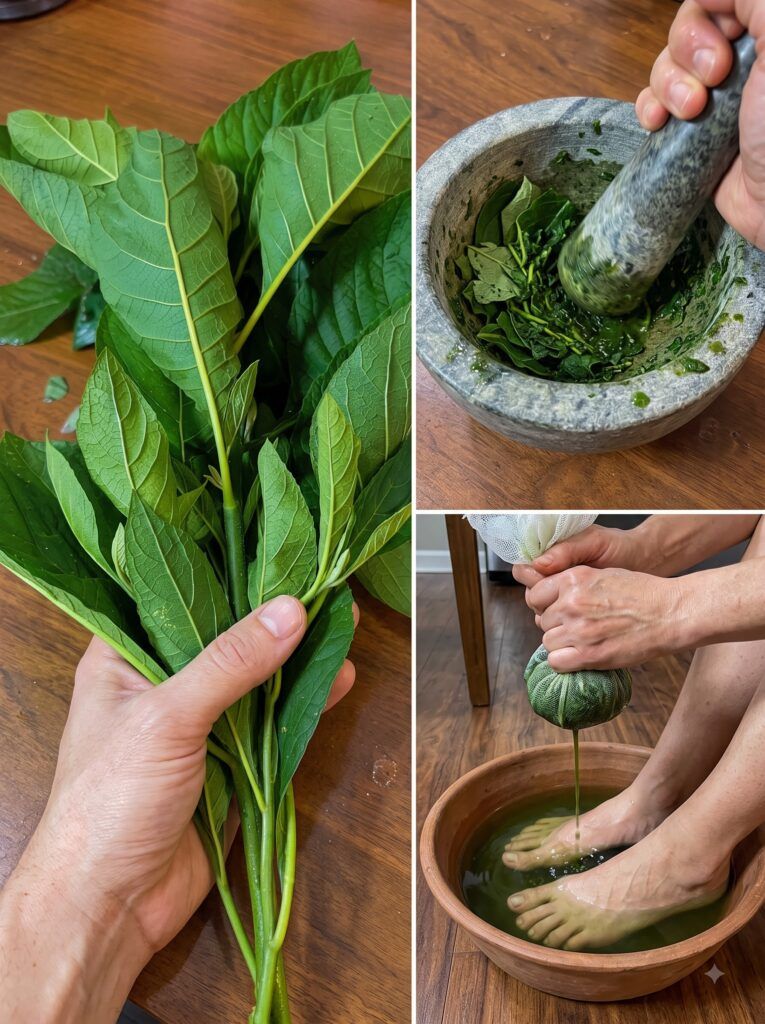
What Is Bitter Leaf?
Bitter leaf is commonly known by the botanical name Vernonia amygdalina. It is a leafy plant traditionally consumed as a vegetable and used in various forms of traditional medicine.
The leaves contain several naturally occurring compounds, including:
- Flavonoids
- Phenolic compounds
- Dietary fiber
- Vitamins and minerals
- Other plant compounds with antioxidant activity
These compounds are one reason bitter leaf continues to attract scientific interest.
However, an important distinction is necessary: laboratory or animal findings do not automatically mean the same effects occur in humans.
1. Bitter Leaf May Support Healthy Blood Sugar Levels
One of the most discussed potential benefits of bitter leaf is its relationship with glucose metabolism.
Preliminary laboratory and animal research suggests that extracts of Vernonia amygdalina may influence several pathways involved in blood sugar regulation.
Some studies have investigated its possible effects on enzymes and cellular pathways involved in glucose metabolism, including AMP-activated protein kinase (AMPK).
Researchers have also examined whether bitter leaf compounds may inhibit enzymes such as alpha-amylase and alpha-glucosidase. These enzymes help break down carbohydrates during digestion.
Slowing their activity could theoretically reduce the speed at which glucose enters the bloodstream after a meal.
But does bitter leaf treat diabetes?
That conclusion would be too strong based on the available evidence.
Most of the interesting findings come from laboratory and animal studies, while high-quality human clinical evidence remains limited.
Therefore, bitter leaf may be considered a nutritious food or traditional wellness ingredient, but it should not be used as a substitute for diabetes medication or a medically recommended eating plan.
If you have diabetes, especially if you take glucose-lowering medication, discuss regular use of concentrated bitter leaf extracts with your healthcare professional.
2. Bitter Leaf and Cholesterol: What We Know
Bitter leaf has also been investigated for its potential effects on cholesterol and lipid metabolism.
Certain flavonoids and other plant compounds found in bitter leaf may influence pathways involved in cholesterol production.
Some experimental studies have investigated effects involving HMG-CoA reductase, an enzyme involved in cholesterol synthesis.
This is particularly interesting because HMG-CoA reductase is also the biological target of statin medications.
However, this does not mean bitter leaf works like a statin.
Prescription statins have been extensively studied in humans and are used under medical supervision. Bitter leaf extracts have not established the same level of clinical evidence.
What about bitter leaf soup?
There is an important difference between eating bitter leaf as a vegetable and consuming a concentrated extract.
Bitter leaf soup can contribute vegetables and fiber to an overall balanced diet. Fiber itself is associated with several aspects of cardiovascular and digestive health.
So, enjoying bitter leaf as part of a varied diet may be a reasonable way to include this traditional vegetable in your meals.
3. Bitter Leaf May Have Potential Blood Pressure Benefits
Another area of scientific interest is blood pressure.
Some animal and laboratory studies suggest that compounds in bitter leaf may influence mechanisms involved in blood vessel relaxation and blood pressure regulation.
Researchers have also investigated possible effects on angiotensin-converting enzyme (ACE) activity.
ACE is involved in the body’s regulation of blood pressure, which is why ACE inhibitors are commonly prescribed for hypertension.
Again, however, an effect observed in experimental research does not mean bitter leaf can replace blood pressure medication.
Important if you take blood pressure medicine
If you already take medication for hypertension, do not stop or reduce your prescribed dose because you start drinking bitter leaf tea or juice.
Concentrated herbal preparations may also interact with medications or potentially influence blood pressure or blood glucose.
Talk with your healthcare professional if you plan to consume bitter leaf extracts regularly.
4. Bitter Leaf and Digestive Health
Traditional use of bitter leaf extends to digestive complaints.
In some African communities, bitter leaf and other aromatic leaves have traditionally been prepared as home remedies for stomach discomfort and diarrhea.
Researchers have investigated extracts of bitter leaf for antimicrobial and gastrointestinal effects in laboratory and animal models.
However, traditional use and laboratory findings are not enough to prove that bitter leaf can treat an intestinal infection.
Be careful with diarrhea
Diarrhea can lead to significant fluid and electrolyte loss.
This is especially important for:
- Babies and young children
- Older adults
- Pregnant people
- People with chronic illnesses
For significant diarrhea, oral rehydration solution (ORS) can help replace lost fluids and electrolytes. Severe symptoms, blood in the stool, persistent vomiting, dehydration, high fever, or diarrhea in a very young child require medical attention.
Bitter leaf should not be relied upon as the sole treatment for a suspected bacterial infection.
5. Can Bitter Leaf Help With PCOS?
PCOS is a complex hormonal and metabolic condition that can involve irregular periods, elevated androgen levels, insulin resistance, acne, weight changes, and difficulty becoming pregnant.
Because insulin resistance can occur in people with PCOS, researchers have shown interest in plants that may influence glucose metabolism.
This is where bitter leaf becomes interesting.
Experimental research suggests that bitter leaf extracts may affect pathways related to blood glucose and metabolic function.
However, there is not enough high-quality human evidence to conclude that bitter leaf treats PCOS or balances hormones in women with PCOS.
If you have PCOS, bitter leaf can be included as a vegetable in a balanced diet if it suits you, but it should not replace medical treatment, nutritional guidance, or fertility care when needed.
6. Bitter Leaf Contains Antioxidant Plant Compounds
One reason bitter leaf continues to receive scientific attention is its phytochemical content.
The leaves contain various compounds with antioxidant activity, including flavonoids and phenolic compounds.
Antioxidants help protect cells from oxidative stress, which is a natural process involved in aging and many biological functions.
Eating a variety of colorful vegetables and plant foods is generally a practical way to obtain different naturally occurring protective compounds.
Bitter leaf can be one part of that dietary variety.
How to Prepare Bitter Leaf Juice
If you prefer fresh bitter leaf juice, a simple traditional preparation involves washing the leaves thoroughly before processing them.
Ingredients
- A handful of fresh bitter leaves
- Clean drinking water
Method
- Wash the leaves thoroughly under clean running water.
- Place the leaves in a clean bowl.
- Add a small amount of clean water.
- Rub or crush the leaves thoroughly.
- Squeeze the leaves to release the juice.
- Strain the liquid before drinking.
Because fresh plant juice can be concentrated and its nutritional composition can vary, start with a small amount rather than assuming that more is better.
How to Make Bitter Leaf Tea
You can also prepare bitter leaf as a simple herbal infusion.
Ingredients
- Fresh bitter leaves
- Water
Directions
- Wash the leaves thoroughly.
- Add the leaves to a pot of water.
- Bring the water to a gentle boil.
- Simmer briefly.
- Strain and allow the tea to cool to a comfortable temperature.
Avoid combining large numbers of medicinal herbs together unless you know how they may interact.
Bitter Leaf Soup: A Simple Way to Enjoy It
For many people, the most enjoyable way to consume bitter leaf is simply as food.
Bitter leaf soup can be prepared with ingredients such as:
- Bitter leaves
- Fish
- Lean meat
- Onions
- Peppers
- Other vegetables
- A suitable cooking oil or fat
This approach provides the leaves as part of a complete meal rather than relying on a concentrated herbal extract.
And honestly, this may be the easiest way to enjoy bitter leaf—the soup is delicious when prepared well!
Possible Side Effects and Precautions
Bitter leaf is a food, but concentrated preparations may behave differently from ordinary dietary amounts.
Possible concerns may include:
- Stomach discomfort
- Nausea
- Changes in blood sugar
- Changes in blood pressure
- Potential interactions with medications
- Unknown effects from concentrated extracts or supplements
Extra caution is appropriate if you:
- Take diabetes medication
- Take blood pressure medication
- Take cholesterol-lowering medication
- Are pregnant or breastfeeding
- Have liver or kidney disease
- Are preparing a concentrated herbal extract
- Give herbal preparations to children
If you have a medical condition or take prescription medication, speak with a healthcare professional before using bitter leaf extract regularly.
Bitter Leaf: Traditional Remedy or Modern Evidence?
So, is bitter leaf a miracle plant?
Probably not.
But that doesn’t make it uninteresting.
Bitter leaf contains fiber and a variety of naturally occurring plant compounds, and laboratory and animal research has identified several potentially useful biological activities.
The important point is that potential is not the same as proven treatment.
Some of the strongest claims surrounding bitter leaf—such as treating diabetes, lowering cholesterol, controlling hypertension, or balancing hormones in PCOS—still require better human research.
For now, bitter leaf may be best viewed as a traditional vegetable and wellness ingredient that can complement a balanced lifestyle rather than replace evidence-based medical care.
The Bottom Line
Bitter leaf is certainly more than just a bitter cooking ingredient.
Research has explored its potential effects on:
- Blood sugar metabolism
- Cholesterol pathways
- Blood pressure regulation
- Digestive health
- Oxidative stress
- Metabolic health
But many of these findings are still preliminary.
Enjoy bitter leaf as part of a varied diet, but don’t replace prescribed medication with bitter leaf tea, juice, or extract.
The most useful approach is to combine traditional foods such as bitter leaf with a balanced diet, regular physical activity, adequate sleep, and appropriate medical care when needed.


