
## The Remedy
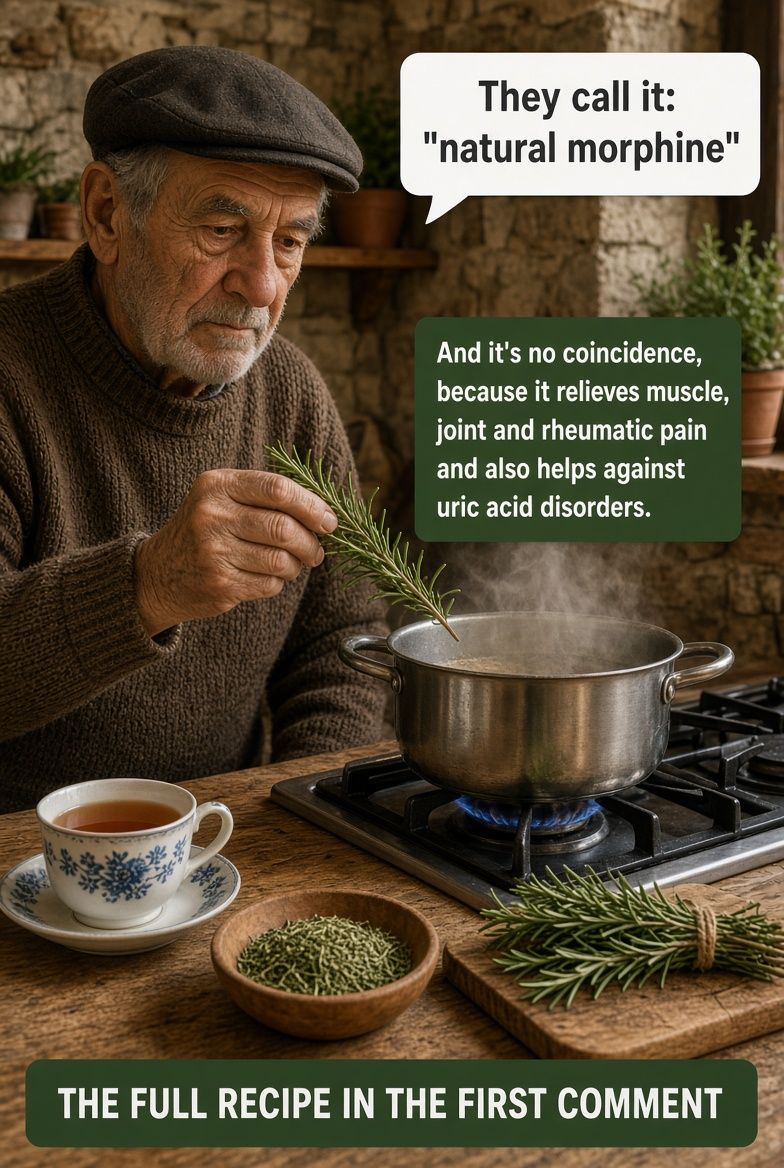
Fresh or dried rosemary, brewed as a strong tea; drunk daily in the folk tradition; sometimes used as a compress on painful joints.
## What Is Actually in It
Rosmarinic acid and carnosic acid — genuine anti-inflammatory and antioxidant compounds, studied in animals and small human trials. 1,8-cineole and camphor — aromatic compounds with mild analgesic and circulation effects. What it isn’t: an opioid — nothing in rosemary acts on opioid receptors; the “morphine” name is pure metaphor.
## What the Evidence Supports
Muscle and joint pain: rosemary’s anti-inflammatory compounds have modest support — small trials suggest rosemary extract eases musculoskeletal pain somewhat; the tea is a weaker form. Rheumatism: traditional use with plausible anti-inflammatory basis; no clinical proof it treats rheumatic disease. Gout/uric acid: essentially no evidence that rosemary lowers uric acid — the claim is folk decoration. What actually treats these: NSAIDs, proper gout medication (allopurinol etc.), physiotherapy, weight management — the unglamorous proven set. The tea’s honest role: a pleasant, mildly anti-inflammatory warm drink — comfort, not cure.
## Safety Notes
Don’t skip gout treatment: untreated gout destroys joints and kidneys — “natural morphine” doesn’t lower uric acid; medication does. Pregnancy: avoid medicinal rosemary doses — traditional uterine-stimulant concerns. Blood pressure/diuretics: rosemary can nudge blood pressure and fluid balance in quantity. Severe, sudden, or worsening joint pain — see a doctor; it needs diagnosis, not tea.
## How to Use It Wisely
Drink rosemary tea for comfort and its mild anti-inflammatory support — alongside, not instead of, treatment. For gout: medication + low-purine habits + hydration are the proven trio. For chronic pain: keep medical follow-up; use the tea as a pleasant adjunct.
## Conclusion
Rosemary has genuine mild anti-inflammatory chemistry — but “natural morphine” is a metaphor doing heavy lifting. It soothes; it doesn’t replace pain medicine, and it does nothing for uric acid. Brew the tea. Take the gout seriously. Keep the doctor.
This article is for informational purposes only and does not replace professional medical advice. Consult your trusted doctor for personalized guidance, especially for gout, chronic pain, or if you are pregnant.


