
Numbness in the hands, or paresthesia, is a common sensation that can manifest as tingling, prickling, or a lack of feeling. While it can occasionally be harmless and temporary, it can also be indicative of more serious underlying health problems. There are various causes for this condition, as well as solutions and remedies that can help relieve or prevent this discomfort.
Causes of numbness in the hands
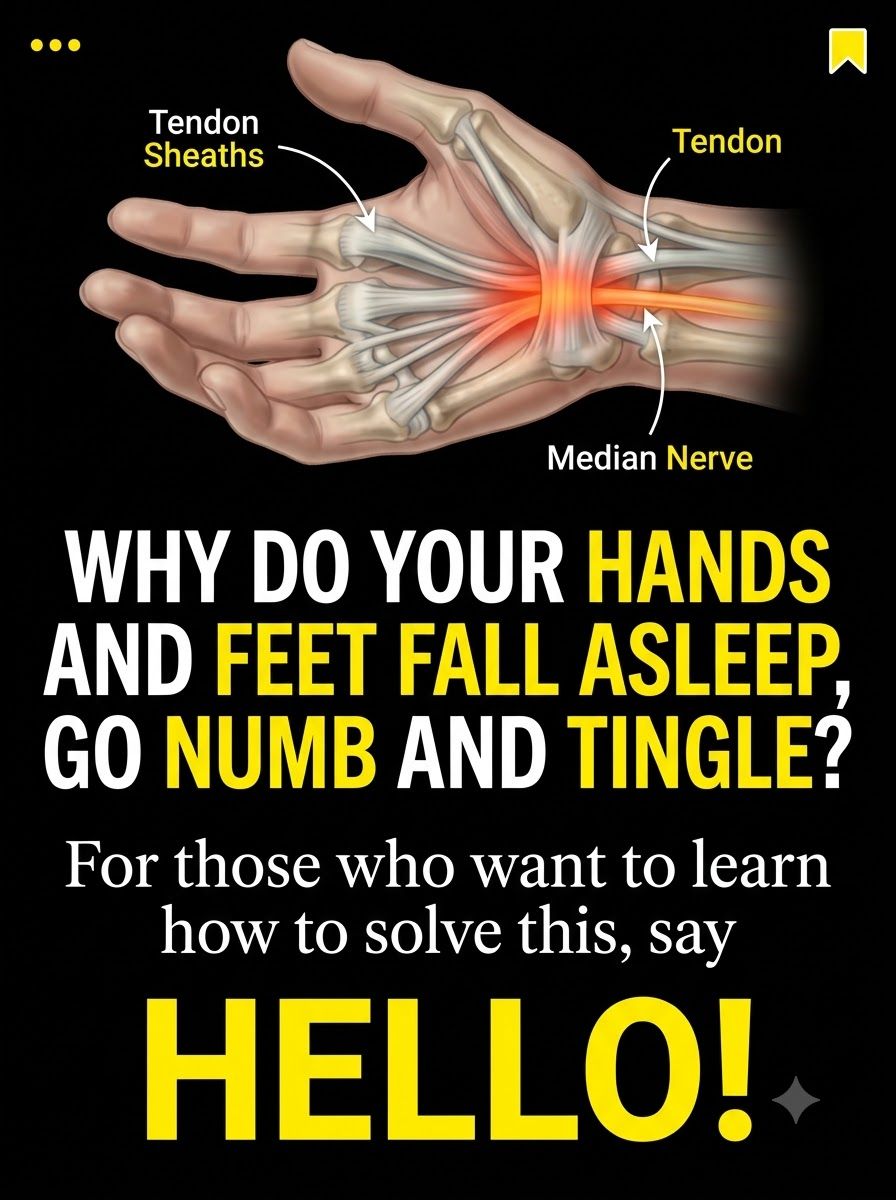
1. Nerve compression: One of the most common causes of numbness in the hands is pressure on or damage to the nerves that run through the arms and hands. The most commonly affected nerves are the median and ulnar nerves. This problem can be caused by various conditions, such as carpal tunnel syndrome, which occurs when the median nerve is compressed as it passes through the carpal tunnel in the wrist. The numbness usually affects the thumb, index, and middle fingers.
2. Peripheral neuropathy: Peripheral neuropathy is a disorder that affects the peripheral nerves, which are responsible for transmitting signals between the central nervous system (brain and spinal cord) and the rest of the body. This condition is common in people with diabetes, as high blood sugar levels damage the nerves over time. In addition to numbness, there may be weakness and pain in the hands.
3. Circulatory problems: Poor blood circulation, whether due to vascular disease or awkward postures, can cause temporary numbness in the hands. If blood doesn’t flow properly, the extremities don’t receive the necessary oxygen, leading to numbness.
4. Nutritional deficiencies: A lack of certain vitamins, such as vitamin B12, can cause nerve damage and paresthesia. Vitamin B12 is essential for maintaining a healthy nervous system, and a deficiency can cause serious problems if not treated promptly.
5. Autoimmune disorders: Conditions such as Guillain-Barré syndrome, multiple sclerosis, or lupus can affect the nerves, causing numbness in different parts of the body, including the hands.
6. Injuries and trauma: A hard blow to the arm, neck, or hand can damage nerves and cause numbness. Injuries from repetitive movements or poor posture can also be responsible for these symptoms.
Look at this:
7. Cervical nerve compression: Problems in the cervical spine (the neck area) such as herniated discs or arthritis can press on nerves that travel to the arms and cause numbness in the hands.
Solutions and remedies for numbness in the hands
Treatment for numbness in the hands will depend on the underlying cause. Several approaches to relieving this problem are described below:
1. Change your posture and habits
Temporary numbness in the hands is often caused by awkward or repetitive postures that compress nerves or blood vessels. Make sure you maintain good posture while working or performing everyday activities. If you spend a lot of time using a computer, for example, adjust the height of your keyboard and mouse to avoid strain on your wrists and arms.
Another recommendation is to take regular breaks to stretch your arms, hands, and fingers. This can help relieve pressure on the nerves and improve circulation.
2. Exercise and physiotherapy
Regular physical activity not only improves overall health but can also strengthen muscles and reduce pressure on nerves. Stretching and strengthening exercises for the arm and wrist can help prevent carpal tunnel syndrome and other conditions that cause numbness. Targeted physical therapy, under the supervision of a specialist, can be especially beneficial if the problem is chronic.
For carpal tunnel syndrome, therapists can teach stretching techniques and movements to reduce compression of the median nerve. Additionally, splints can be used to immobilize the wrist at night and prevent excessive flexion.
3. Improve your diet
If numbness in the hands is related to nutritional deficiencies, improving your diet is crucial. Vitamin B12 is essential for the proper functioning of the nervous system, so including foods rich in this vitamin, such as lean meats, eggs, and dairy products, can help prevent nerve damage. In some cases, vitamin B12 supplements may be necessary if your diet doesn’t provide enough.
In addition, it’s important to maintain good blood sugar control if you have diabetes. Good glycemic control can help reduce the risk of diabetic neuropathy, which is a major cause of numbness in the hands of people with this disease.
4. Alternative therapies
Some people find relief with alternative therapies such as acupuncture, which can improve circulation and relieve pressure on the nerves. Although the scientific evidence regarding its effectiveness is mixed, many people report a reduction in pain and numbness with this type of treatment.
Massage therapy (therapeutic massage) can also help relieve numbness by improving blood flow and reducing muscle tension that may be pressing on the nerves.
5. Medical treatments
If numbness in the hands is caused by a serious underlying condition, such as a herniated disc or an autoimmune disorder, specialized medical care will likely be necessary. Medical treatments may include:
•Anti-inflammatory medications to reduce inflammation that puts pressure on the nerves.
•Corticosteroid injections to reduce inflammation in severe cases of carpal tunnel syndrome.
•Surgery in cases where other treatments have not been effective, such as in advanced carpal tunnel syndrome or cervical disc herniations.
In cases of diabetic neuropathy, medications such as gabapentin or pregabalin may be prescribed to help control neuropathic pain.
6. Maintain good sleep hygiene
Your sleeping position can also affect the nerves and cause numbness in your hands. Sleeping with your hands tucked under your body or in an awkward position can compress the nerves. Wearing a splint to keep your wrist in a neutral position overnight can be helpful.
7. Stress Management
Prolonged stress can cause muscle tension, which in turn can put pressure on the nerves and cause numbness. Incorporating relaxation techniques, such as meditation, yoga, or deep breathing, can help reduce tension and improve overall health.
When to see a doctor
Numbness in the hands can be a symptom of a serious condition if:
•It persists for long periods of time without relief.
•It is accompanied by weakness or loss of strength in the hands or arms.
•It extends to other parts of the body.
•It is associated with other symptoms such as loss of balance, blurred vision, or difficulty speaking.
If you experience any of these symptoms, it is important to consult a doctor for a proper evaluation.
Conclusion
Numbness in the hands can result from a variety of causes, ranging from poor posture to more serious conditions like neuropathy or carpal tunnel syndrome. Fortunately, several solutions and remedies are available, from changing daily habits to more advanced medical treatments. Maintaining good posture, exercising regularly, and eating a balanced diet are key to preventing this type of discomfort. Additionally, it’s important to pay attention to persistent symptoms and seek medical attention when necessary.


