
What if a simple homemade drink could become a small part of a healthier daily routine?
This colorful combination of avocado, hibiscus, cloves, spices, and a rich herbal infusion has attracted attention because many of its ingredients contain antioxidants, plant compounds, healthy fats, and other nutrients that may support overall health.
You may have seen claims that drinking a mixture like this for 13 days can “clean your blood,” “reverse diabetes,” prevent cancer, lower blood pressure, or restore circulation.
Those claims go too far.
No single homemade drink can cure diabetes, eliminate cancer cells, or replace medication prescribed for hypertension or circulation problems. However, some of the ingredients in this type of recipe have been studied for their potential effects on blood sugar, blood pressure, cholesterol, cardiovascular health, and oxidative stress.
So, what might actually happen when you include these foods and spices in a balanced diet?
Let’s take a closer look.
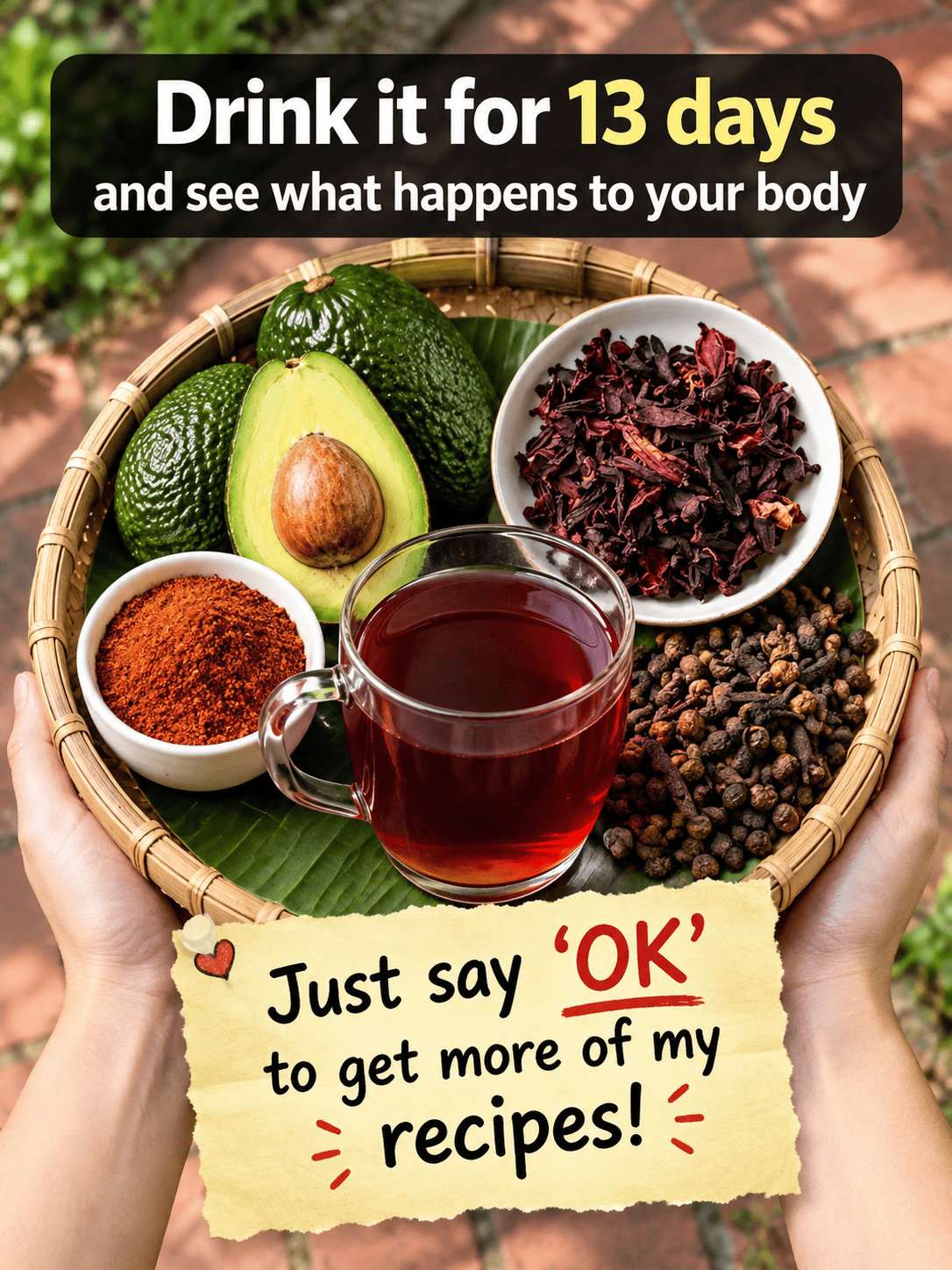
Why This Drink Has Attracted So Much Attention
The combination brings together several ingredients with interesting nutritional properties:
- Avocado
- Hibiscus
- Cloves
- Spices
- Water or an unsweetened herbal infusion
Each ingredient contributes different plant compounds.
Avocado provides fiber and predominantly unsaturated fats. Hibiscus contains polyphenols and anthocyanins. Cloves contain eugenol and other bioactive compounds. Together, these ingredients can form a flavorful, antioxidant-rich beverage when prepared without added sugar.
The important point is that the potential benefits come from the overall dietary pattern, not from a magical 13-day detox effect.
1. Could It Be Helpful for People With Diabetes?
This is one of the most interesting areas to discuss.
People with type 2 diabetes need to pay close attention to foods and beverages that can affect blood glucose. A drink containing added sugar, honey, syrup, or sweetened juice can quickly turn an otherwise healthy recipe into a high-sugar beverage.
That is why an unsweetened version is a much better choice.
Hibiscus has been investigated in clinical studies for its potential effect on glucose control. A systematic review and meta-analysis of randomized clinical trials found that hibiscus consumption was associated with a modest reduction in fasting blood glucose, although more research is needed to determine how clinically meaningful this effect is.
Avocado is also interesting for people concerned about metabolic health because it provides fiber and unsaturated fats. However, research does not show that avocado drinks or avocado supplements can treat diabetes.
In fact, a recent meta-analysis of randomized trials found no significant effect of avocado intake on fasting blood glucose overall, although some cardiovascular risk markers, including LDL cholesterol and systolic blood pressure, improved modestly.
The important takeaway
If you have diabetes, the biggest advantage of this type of drink may be what you don’t add to it.
Avoid:
- Added sugar
- Large amounts of honey
- Sweetened condensed milk
- Syrups
- Sugary fruit juices
Keeping the drink unsweetened can make it much easier to fit into a diabetes-friendly eating pattern.
And if you take insulin or blood-glucose-lowering medication, monitor your glucose as usual and discuss regular use of concentrated herbal drinks with your healthcare professional.
2. May Support Healthy Blood Pressure
High blood pressure is one of the biggest risk factors for heart disease and stroke.
Hibiscus is particularly interesting here.
Several clinical trials have investigated Hibiscus sabdariffa, commonly known as roselle or hibiscus. A meta-analysis of randomized controlled trials found that hibiscus consumption was associated with reductions in both systolic and diastolic blood pressure.
Another systematic review also examined hibiscus for hypertension, although it concluded that the evidence available at that time was not strong enough to recommend hibiscus as a treatment for hypertension.
This distinction is extremely important.
Hibiscus may support healthy blood pressure — but it is not a replacement for blood-pressure medicine.
If you already take medication for hypertension, don’t stop your medication because you begin drinking hibiscus tea.
Instead, think of unsweetened hibiscus tea as one possible component of a healthy lifestyle that also includes:
- Lower sodium intake
- More vegetables and fruits
- Regular physical activity
- Healthy body weight
- Adequate sleep
- Limited alcohol
- Prescribed medication when necessary
3. What About Poor Circulation?
When people talk about “poor circulation,” they may actually be describing several different conditions.
Cold hands and feet, leg discomfort, swelling, numbness, or pain when walking can have many possible causes.
A drink cannot be expected to “unclog arteries” or instantly restore circulation.
However, nutrition can influence several cardiovascular risk factors that are important for long-term vascular health.
Avocado is particularly useful as part of a heart-healthy eating pattern because it contains monounsaturated fat, fiber, potassium, and other plant compounds.
Recent research has found that avocado consumption may have modest beneficial effects on some cardiovascular risk factors, including LDL cholesterol and systolic blood pressure.
Another systematic review found potential benefits of avocado consumption for cholesterol levels, although results across studies are not completely consistent.
This doesn’t mean avocado tea will improve circulation overnight.
Rather, incorporating nutrient-rich foods such as avocado into a balanced diet may contribute to the dietary habits that support cardiovascular health over time.
4. Can This Drink Prevent Cancer?
This is where we need to separate interesting laboratory research from proven human health outcomes.
Hibiscus, cloves, avocado, and many other plant foods contain antioxidant and bioactive compounds.
Some laboratory studies suggest that compounds found in herbs and spices may influence oxidative stress, inflammation, and cellular pathways.
But that does not mean drinking a particular tea can prevent or cure cancer.
For example, research on cloves has identified compounds such as eugenol and other bioactive substances, but there is not sufficient human evidence to claim that drinking clove tea prevents cancer.
Cancer prevention is much broader than one recipe.
The American Cancer Society recommends an overall healthy eating pattern rich in vegetables, fruits, whole grains, legumes, and other nutrient-dense plant foods, while limiting processed foods, sugar-sweetened beverages, and processed and red meats. Healthy body weight and regular physical activity are also important parts of cancer-risk reduction.
So rather than thinking:
“This drink prevents cancer.”
A more accurate way to think about it is:
“This drink can be one small part of a diet rich in plant foods and antioxidants.”
That is a much more realistic approach to long-term health.
5. Why Avocado Makes This Combination Interesting
Avocado is sometimes overlooked because it is technically a fruit, but nutritionally it is quite different from many sweet fruits.
It contains:
- Fiber
- Monounsaturated fats
- Potassium
- Folate
- Vitamin K
- Vitamin E
- Carotenoids
- Various plant compounds
Its combination of fiber and healthy fats can make meals more satisfying.
Research has also investigated avocado consumption in relation to cardiovascular risk factors. A recent meta-analysis of randomized trials found a modest reduction in LDL cholesterol and systolic blood pressure among participants consuming avocado products, although the researchers emphasized that additional well-designed studies are needed.
For people concerned about diabetes, avocado can also be useful as part of meals because it is relatively low in carbohydrates compared with many other fruits.
But there is an important practical point:
You don’t need to blend a whole avocado into a sugary drink to benefit from avocado.
Eating avocado as part of meals may be a simpler and more nutritionally complete approach.
6. Why Hibiscus Is Often Used in Healthy Drinks
Hibiscus has a naturally deep red color because it contains anthocyanins and other polyphenolic compounds.
These compounds are one reason hibiscus tea has become popular among people interested in antioxidant-rich beverages.
The flavor is naturally tart, almost like cranberry.
And because hibiscus already has a strong flavor, you don’t necessarily need sugar to make it enjoyable.
Try combining it with:
- Lemon
- A small amount of fresh ginger
- Cinnamon
- Cloves
- Fresh mint
For people watching their blood glucose, an unsweetened preparation is generally preferable to adding sugar or honey.
7. What About Cloves and Other Spices?
Cloves are a concentrated spice containing aromatic compounds, particularly eugenol.
Spices can add flavor without requiring sugar, which can be useful when creating healthier beverages.
However, more is not necessarily better.
A small culinary amount of cloves is very different from consuming large amounts of concentrated clove extract or clove oil.
If you are taking medications or have a medical condition, especially one affecting blood clotting, blood pressure, or blood glucose, it is wise to ask a healthcare professional before regularly consuming concentrated herbal preparations.
8. How to Make a More Diabetes-Friendly Version
If you want to try a drink inspired by this combination, keep it simple.
Ingredients
- 1–2 tablespoons dried hibiscus
- 1–2 cloves
- A small piece of cinnamon
- 2 cups water
- A small amount of fresh ginger, optional
- A small portion of avocado served separately, rather than blended into a sugary drink
- Lemon, optional
Directions
- Bring the water to a gentle boil.
- Add the hibiscus, cloves, and cinnamon.
- Simmer gently for several minutes.
- Turn off the heat and allow the mixture to steep.
- Strain into a cup.
- Add lemon if desired.
- Allow it to cool slightly before drinking.
- Do not add sugar if your goal is to keep the beverage diabetes-friendly.
The avocado can be eaten separately with a meal.
This approach also makes it easier to control portion size and carbohydrate intake.
9. What Might You Notice After 13 Days?
The phrase “drink it for 13 days and see what happens” makes a great social-media hook, but biology does not work according to a fixed 13-day countdown.
You may notice something as simple as enjoying a lower-sugar beverage instead of soda or sweet tea.
You may also find that drinking an unsweetened herbal beverage helps you consume fewer calories from sugary drinks.
But you should not expect 13 days to:
- Cure diabetes
- Eliminate cancer
- Reverse hypertension
- Remove arterial blockages
- Permanently restore circulation
- “Detox” your blood
Those claims are not supported by adequate clinical evidence.
Long-term health improvements usually come from consistent habits, not a short detox challenge.
10. The Bigger Picture: Your Daily Diet Matters More Than One Drink
If your goal is to support healthy blood sugar, blood pressure, circulation, and long-term cancer risk reduction, look beyond one recipe.
Build meals around:
More vegetables
Leafy greens, broccoli, cabbage, peppers, tomatoes, carrots, and other colorful vegetables provide fiber and a variety of micronutrients.
More whole foods
Beans, lentils, whole grains, nuts, seeds, fish, eggs, and minimally processed foods can provide important nutrients.
Healthy fats
Avocado, olive oil, nuts, and seeds can be incorporated into balanced meals.
Less added sugar
Sugary beverages are particularly easy to overconsume without feeling full.
Less highly processed food
A diet centered on minimally processed plant foods is generally more supportive of long-term health.
The American Cancer Society emphasizes an overall eating pattern rich in plant foods rather than relying on a single “superfood” or drink.
A Simple Way to Think About This Recipe
Instead of calling this a “13-day cure,” consider it a colorful, unsweetened herbal drink that can complement a healthy lifestyle.
Its most interesting ingredients each bring something different to the table.
Hibiscus has been studied for potential effects on blood pressure and blood glucose.
Avocado provides fiber and unsaturated fats and has been investigated for cardiovascular benefits.
Cloves and other spices provide concentrated plant compounds and flavor.
But the real health benefit comes from the bigger picture:
What you eat every day, how active you are, your sleep, your weight, your blood pressure, your blood glucose, and whether you follow appropriate medical treatment.
Final Thoughts
A homemade drink can be refreshing, flavorful, and a useful alternative to sugar-sweetened beverages.
It may also provide beneficial plant compounds, especially when made with ingredients such as hibiscus and spices.
For people with diabetes, hypertension, or concerns about cardiovascular health, the best approach is not to search for one miraculous recipe. Instead, use recipes like this as part of a balanced, nutrient-rich, low-added-sugar lifestyle.
And when it comes to cancer, remember:
No tea, juice, spice, or homemade recipe has been proven to eliminate cancer cells in humans.
If you have diabetes, hypertension, poor circulation, or another medical condition, continue your prescribed treatment and speak with your healthcare professional before making major dietary changes or using concentrated herbal preparations.
Your health is built one meal, one habit, and one day at a time.


