
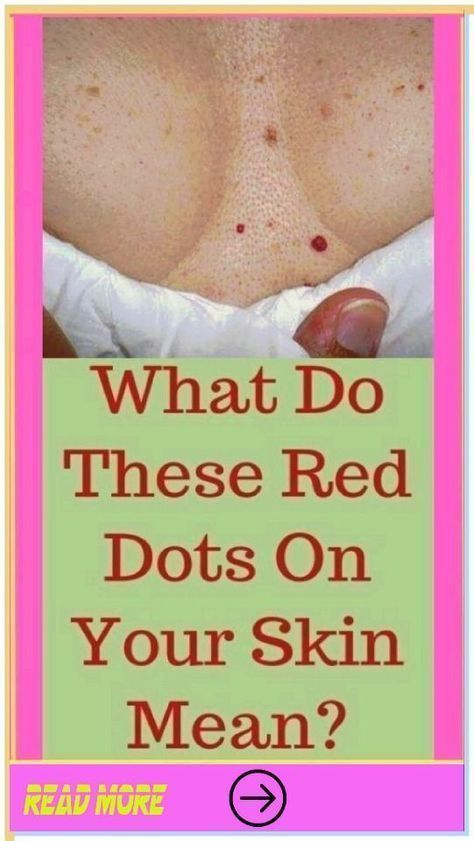
Have you ever noticed tiny red dots on your arms, legs, chest, or other parts of your body and wondered what they mean?
Red dots on the skin are common, and they can appear for many different reasons. Some are harmless changes in small blood vessels, while others may be related to irritation, allergies, infections, or bleeding beneath the skin.
Their size, color, location, and duration can offer useful clues. For example, a small, bright-red bump that remains unchanged for years may have a different cause from a sudden cluster of flat red or purple dots that develops within a few hours.
The most important thing to remember is that red dots do not always indicate a serious condition, but sudden or unexplained changes deserve attention.
Let’s explore seven possible causes of red dots on the skin, what to look for, and when to seek medical advice.
1. Cherry Angiomas: Small Red Spots Caused by Blood Vessels
Cherry angiomas are common, noncancerous growths made up of small blood vessels. They often appear as bright-red, reddish-purple, or dark-red spots.
They may develop on the chest, abdomen, back, arms, and other areas of the body. Their size can range from a tiny pinprick to several millimeters across.
What do cherry angiomas look like?
Small, round, red or purple spots
Usually smooth or slightly raised
Often appear in adulthood
May gradually increase in number over time
Sometimes bleed if scratched or injured
Cherry angiomas are generally harmless and do not usually require treatment. However, a spot that changes rapidly, repeatedly bleeds, or looks different from your other skin spots should be examined by a healthcare professional.
2. Petechiae: Tiny Dots Caused by Bleeding Under the Skin
Petechiae are tiny, flat red, purple, or brownish spots that develop when small blood vessels leak blood beneath the skin.
Unlike many ordinary rashes, petechiae generally do not fade or turn white when you press on them.
They may occur after intense coughing, vomiting, straining, or minor pressure in some situations. However, they can also be associated with low platelet counts, certain medications, blood disorders, or infections.
When should you worry about petechiae?
Pay particular attention if the spots:
Appear suddenly without an obvious explanation
Spread quickly or occur across large areas
Develop alongside unusual bruising or bleeding
Occur with fever or significant illness
Seek urgent medical assessment for unexplained petechiae. If they occur with fever, severe headache, confusion, difficulty breathing, or rapidly worsening illness, seek emergency care immediately.
Do not assume that tiny red or purple dots are harmless simply because they are painless.
3. Contact Dermatitis: Skin Irritation or an Allergic Reaction
Contact dermatitis occurs when the skin reacts to a substance it touches. Common triggers include soaps, detergents, fragrances, cosmetics, cleaning products, metals, and certain plants.
The affected area may develop red spots, bumps, itching, swelling, dryness, or a burning sensation.
Common signs
Redness concentrated where a product touched the skin
Itching or irritation
Dry, cracked, or flaky skin
Symptoms that appear after using a new product
If you suspect contact dermatitis, stop using the suspected irritant and gently wash the affected area. Seek medical advice if the rash persists, worsens, or becomes painful.
Swelling of the lips or tongue, difficulty breathing, or other signs of a severe allergic reaction require emergency assistance.
4. Heat Rash: Tiny Red Bumps After Sweating
Heat rash can develop when sweat becomes trapped in the skin, particularly in hot, humid environments or beneath tight clothing.
It commonly affects the neck, chest, back, skin folds, and other areas that become hot and sweaty.
How can you recognize heat rash?
Small red bumps or spots
Itching, prickling, or a stinging sensation
Symptoms that develop after sweating
Areas covered by tight clothing or exposed to heat
Keeping the skin cool and dry, wearing breathable clothing, and avoiding excessive heat may help mild heat rash improve.
If the rash becomes increasingly painful, develops pus, spreads, or is accompanied by fever, seek medical advice.
5. Folliculitis: Inflammation Around Hair Follicles
Folliculitis occurs when hair follicles become inflamed, sometimes because of bacteria, yeast, friction, or irritation.
It can look like a cluster of small red bumps, occasionally with a white or yellow center. The affected area may feel itchy, tender, or uncomfortable.
Common locations include the scalp, beard area, chest, back, buttocks, and thighs.
What may contribute to folliculitis?
Shaving or waxing
Tight clothing and repeated friction
Sweat and prolonged moisture
Certain bacterial or fungal infections
Avoid squeezing the bumps, and use gentle skin care. A persistent, spreading, painful, or pus-filled rash may require medical evaluation and targeted treatment.
6. Keratosis Pilaris: Small Bumps That Feel Rough
Keratosis pilaris is a common, harmless skin condition associated with a buildup of keratin around hair follicles.
It often appears as tiny, rough bumps on the upper arms, thighs, cheeks, or buttocks. The bumps may be skin-colored, pink, or red, especially when the surrounding skin is irritated.
Typical features
Numerous small, rough bumps
A texture sometimes compared to sandpaper
Commonly affects the upper arms and thighs
May become more noticeable when the skin is dry
Gentle moisturizing and avoiding harsh scrubbing may help improve the skin’s texture. Keratosis pilaris is not contagious and generally does not pose a health risk.
7. Infections and Other Medical Conditions
Some red spots develop in connection with viral illnesses, bacterial infections, inflammatory skin conditions, or other medical problems.
The appearance varies considerably. A rash may be flat or raised, itchy or painless, localized or widespread. Some infections also cause fever, fatigue, body aches, or other symptoms.
In certain cases, red or purple spots may be related to conditions affecting blood vessels, platelets, or blood clotting.
Because these conditions can look similar, it is not always possible to identify the cause from appearance alone.
If red dots appear suddenly, spread rapidly, occur with fever, or accompany unexplained bruising or bleeding, arrange prompt medical assessment. Seek emergency care if you feel severely unwell or have other serious symptoms.
How to Tell Whether Red Dots on Your Skin Need Attention
Consider the following features when observing a new spot.
Feature
What it may suggest
Bright-red, smooth, stable spot
May be a cherry angioma
Itchy spots after using a new product
May indicate contact dermatitis
Rough bumps on the upper arms or thighs
May be keratosis pilaris
Small bumps around hair follicles
May indicate folliculitis
Flat red or purple dots that do not fade under pressure
May be petechiae or another type of purpura
Rapidly changing, bleeding, or unusual spots
Need professional assessment
These clues are not a diagnosis. Different skin conditions can look alike, and a healthcare professional may need to examine the skin or order tests to determine the cause.
When Should You See a Doctor About Red Spots?
Consider arranging a medical appointment if red dots:
Persist without an obvious explanation
Continue to increase in number
Change in size, shape, or color
Repeatedly bleed or develop sores
Occur with unusual bruising, nosebleeds, or gum bleeding
Are associated with persistent itching, pain, or swelling
Seek urgent or emergency care if a sudden rash of red or purple dots occurs with fever, severe headache, confusion, breathing difficulties, fainting, or rapidly worsening symptoms.
For infants and young children, a new rash with fever or an ill appearance should be assessed promptly by a healthcare professional.
Can You Prevent Red Dots on Your Skin?
Not all red spots are preventable. Cherry angiomas, for example, can develop naturally with age.
However, some general skin-care habits may reduce irritation and certain types of rash:
Use gentle, fragrance-free skin-care products if your skin is sensitive.
Wear breathable clothing in hot weather.
Change out of sweaty clothing when possible.
Avoid scratching, picking, or squeezing spots.
Use clean shaving equipment and avoid shaving irritated skin.
Protect your skin from excessive sun exposure.
Introduce new cosmetics or skin products cautiously.
If a rash keeps returning, identifying its underlying cause is more helpful than repeatedly treating the visible spots alone.
Frequently Asked Questions
Are tiny red dots on the skin always dangerous?
No. Many causes, including cherry angiomas and keratosis pilaris, are generally harmless. However, sudden, unexplained, spreading, or non-blanching red or purple dots may require prompt medical evaluation.
Why am I suddenly getting red dots on my body?
Possible causes include irritation, allergic reactions, heat rash, infections, medication effects, and bleeding beneath the skin. The timing, appearance, associated symptoms, and medication history help determine the likely cause.
Do red dots that do not disappear when pressed mean something serious?
Not necessarily, but flat red or purple dots that do not fade under pressure can be petechiae or purpura. New, unexplained spots should be assessed promptly, especially if accompanied by fever, bruising, bleeding, or feeling unwell.
Can vitamin deficiencies cause red spots?
Certain nutritional deficiencies can contribute to skin or bleeding problems, but red spots alone cannot establish a deficiency. Avoid taking high-dose supplements without knowing the cause; consult a healthcare professional if you have persistent or unexplained symptoms.
Should I remove a red spot at home?
No. Do not cut, burn, puncture, or apply harsh chemicals to a red spot. If removal is desired or the diagnosis is uncertain, a qualified healthcare professional can assess it and discuss appropriate options.
Final Thoughts
Red dots on your skin can have many explanations, ranging from harmless blood-vessel growths to irritation, inflammation, or conditions that need medical attention.
Pay attention to when the spots appear, whether they spread, whether they fade under pressure, and whether you experience other symptoms. These details can help a healthcare professional assess the problem.
If red dots appear suddenly without an obvious cause, especially with fever, unusual bleeding, or rapid spreading, do not ignore them. Getting the right diagnosis is the safest way to determine whether treatment is necessary.
This article is for educational purposes only and does not replace professional medical advice or diagnosis.


