
Introduction
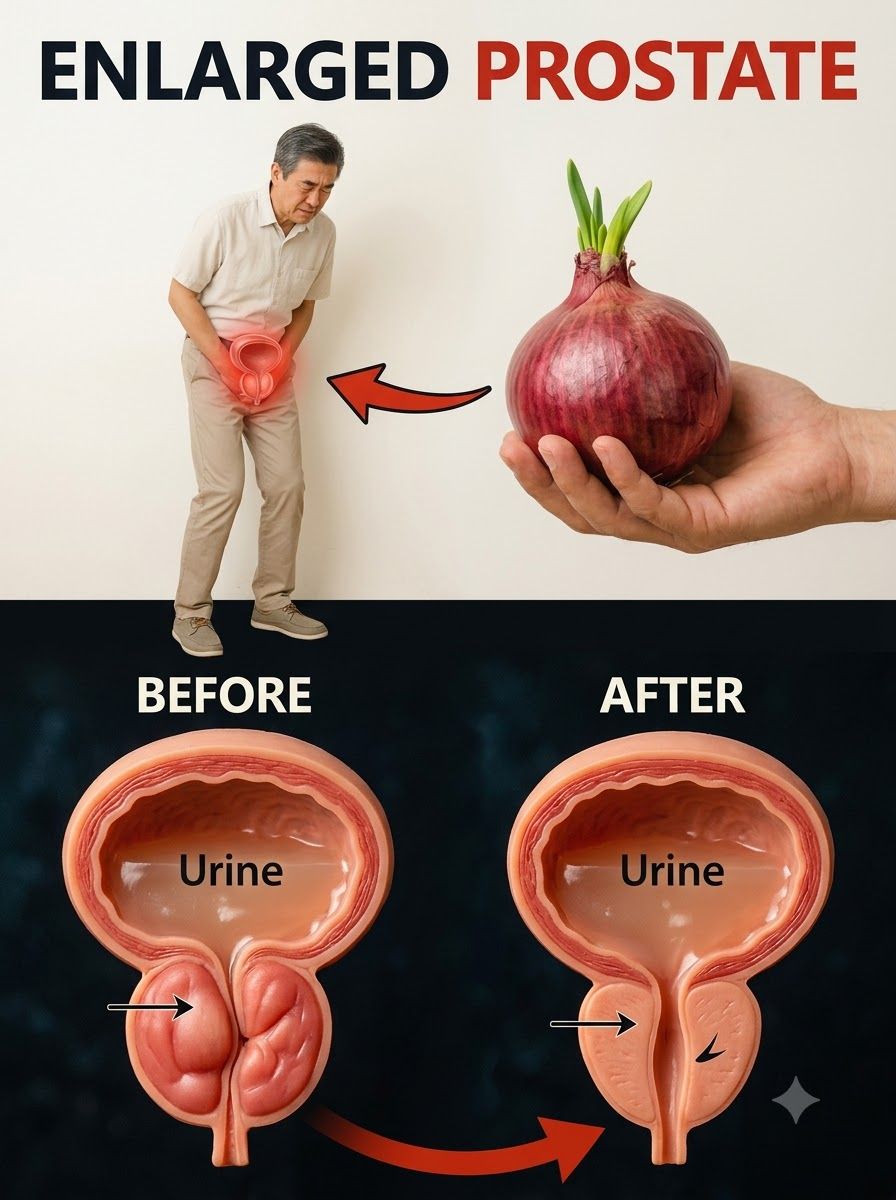
An enlarged prostate is a common health concern among aging men. As the prostate gland grows, it can press against the urethra, making it more difficult for urine to flow normally. Some men experience frequent urination, a weak urine stream, difficulty starting urination, or repeated trips to the bathroom at night.
Alongside appropriate medical care, many men are interested in learning how everyday foods may support their overall health. One ingredient that deserves a closer look is the red onion.
Red onions are widely used in cooking and contain vitamin C, flavonoids, and other naturally occurring plant compounds. These nutrients contribute to a balanced diet, but can eating red onions actually shrink an enlarged prostate?
Let’s explore what science says about red onions, prostate health, dietary choices, and practical steps men can take to support healthy urinary function.
1. What Is an Enlarged Prostate?
The prostate is a small gland located below the bladder and surrounding the upper part of the urethra. It plays an important role in producing fluid that forms part of semen.
As men grow older, the prostate may gradually increase in size. When this enlargement is noncancerous, it is commonly called benign prostatic hyperplasia (BPH).
BPH is not prostate cancer, although both conditions can occur in the same person. Urinary symptoms alone cannot reliably distinguish between BPH, infection, prostate cancer, and other urinary tract conditions.
Common Symptoms of an Enlarged Prostate
Symptoms may include:
- Frequent urination during the day.
- Waking up multiple times at night to urinate.
- Difficulty starting urination.
- A weak or interrupted urine stream.
- Feeling that the bladder has not emptied completely.
- An urgent need to urinate.
- Dribbling after urination.
Symptoms vary from person to person. Some men have an enlarged prostate without significant discomfort, while others experience bothersome urinary problems even when enlargement is relatively mild.
If these symptoms persist or interfere with daily life, a healthcare professional can assess the cause and discuss appropriate treatment.
2. Red Onion Benefits: What Makes This Vegetable Nutritious?
Red onions (Allium cepa) are more than a flavorful ingredient. They contain several nutrients and plant compounds that contribute to a healthy eating pattern.
Quercetin and Other Flavonoids
Red onions contain quercetin, a flavonoid studied for its antioxidant and other biological properties. Antioxidants help protect cells against oxidative damage.
Laboratory studies have investigated quercetin in relation to inflammation and various health conditions. However, findings from laboratory experiments do not establish that eating red onions can treat BPH or reduce prostate size in humans.
Vitamin C
Red onions provide vitamin C, which supports normal immune function and collagen formation. Vitamin C also contributes to the body’s antioxidant defenses.
Fiber and Prebiotic Compounds
Onions contain dietary fiber and compounds that can support beneficial intestinal bacteria. Eating a variety of vegetables helps contribute to a balanced, fiber-rich diet.
Sulfur-Containing Compounds
Like garlic and other members of the allium family, onions contain naturally occurring sulfur compounds. These contribute to their distinctive flavor and aroma and have been investigated for their biological effects.
Important distinction: Although red onions contain beneficial plant compounds, there is currently insufficient clinical evidence to recommend them as a specific treatment for an enlarged prostate.
3. Can Red Onions Shrink an Enlarged Prostate?
Red onions can be included in a balanced diet, but there is no strong clinical evidence that eating them shrinks an enlarged prostate, opens the urethra, or restores normal urine flow.
The distinction between nutritional support and medical treatment is important.
A healthy diet may contribute to general well-being and help manage conditions such as obesity and cardiovascular disease, which are relevant to men’s health. Nevertheless, BPH involves changes in prostate tissue that cannot be assumed to respond to a particular vegetable or homemade remedy.
Men experiencing urinary symptoms should not delay an evaluation while trying dietary remedies.
Depending on symptom severity and individual circumstances, treatment options may include:
- Lifestyle adjustments: Changes to fluid timing, caffeine intake, and other habits.
- Prescription medications: Certain medicines relax prostate and bladder-neck muscles or reduce prostate growth over time.
- Minimally invasive procedures: Options for selected patients whose symptoms warrant intervention.
- Surgery: Considered in certain cases, including severe symptoms or complications.
A healthcare professional can help determine which approach is appropriate.
4. How to Include Red Onions in a Prostate-Friendly Diet
If you enjoy red onions, there are several easy ways to add them to your meals.
Ingredients for a Simple Red Onion Salad
- 1 small red onion.
- 1 ripe tomato.
- 1 small cucumber.
- 1 tablespoon of extra-virgin olive oil.
- A squeeze of fresh lemon juice.
- A small amount of black pepper, if desired.
Preparation
- Wash the vegetables thoroughly.
- Peel the red onion and slice it thinly.
- Chop the tomato and cucumber.
- Combine the ingredients in a clean bowl.
- Add olive oil and lemon juice.
- Toss gently and serve alongside a balanced meal.
This salad provides vegetables, flavor, and a source of unsaturated fat. It is a nutritious food choice, not a proven treatment for prostate enlargement.
People who experience heartburn or digestive discomfort from raw onions may prefer to eat them cooked or use a smaller portion.
5. Other Foods That Support Overall Prostate Health
No single food guarantees prostate health. A varied dietary pattern is a more practical approach.
Tomatoes
Tomatoes contain lycopene, a carotenoid that has been studied in relation to prostate health. Research has not established that eating tomatoes or taking lycopene supplements prevents or treats BPH.
Cruciferous Vegetables
Broccoli, cauliflower, cabbage, and Brussels sprouts provide fiber, vitamins, and plant compounds. These vegetables can form part of a varied, nutrient-rich diet.
Beans and Lentils
Beans and lentils provide plant-based protein, fiber, and minerals. They can help make meals satisfying while increasing dietary variety.
Nuts and Seeds
Nuts and seeds provide unsaturated fats, protein, and various micronutrients. Unsalted options can be useful additions to balanced meals.
Fish
Fish provides protein, and oily fish such as salmon and sardines contain omega-3 fatty acids. Fish can be included in a heart-healthy eating pattern.
Fruits and Leafy Greens
Berries, citrus fruits, spinach, and other vegetables provide vitamins, minerals, and plant compounds. Aim for variety rather than relying on one supposedly powerful ingredient.
These foods contribute to overall nutrition. Evidence that any particular food directly reduces prostate size or relieves BPH symptoms remains limited.
6. Daily Habits That May Help Manage Urinary Symptoms
Diet is only one part of managing an enlarged prostate. Certain practical changes may help some men cope with urinary symptoms.
Adjust Fluid Timing
Drink enough water to stay adequately hydrated, but consider reducing large amounts of fluid in the hours before bedtime if nighttime urination is troublesome.
Do not deliberately dehydrate yourself.
Limit Caffeine and Alcohol if They Worsen Symptoms
Caffeine and alcohol may aggravate urgency or frequency in some people. Observe how your body responds and discuss persistent symptoms with a healthcare professional.
Maintain a Healthy Weight
Regular physical activity and a balanced diet support metabolic and cardiovascular health. These habits can also contribute to general well-being as men age.
Review Your Medications
Some medicines, including certain decongestants and antihistamines, can worsen urinary difficulties in susceptible men. Ask a pharmacist or healthcare professional to review your medications rather than stopping prescribed treatments yourself.
Do Not Ignore Persistent Symptoms
Keeping a record of urination frequency, nighttime bathroom visits, and changes in urine flow may help your healthcare professional understand your symptoms.
7. When Should You Seek Medical Attention?
Urinary symptoms deserve attention because several conditions can cause similar problems.
Arrange a medical appointment if you notice persistent weak urine flow, frequent nighttime urination, difficulty starting urination, or a feeling that your bladder does not empty completely.
Seek urgent medical care if you:
- Cannot urinate at all.
- Have blood in your urine.
- Experience painful urination accompanied by fever or chills.
- Develop severe lower abdominal pain or other rapidly worsening symptoms.
Acute urinary retention can be a medical emergency. Do not attempt to resolve it with onions, herbal drinks, or other home remedies.
Conclusion: Red Onions Can Be Part of a Healthy Diet, but They Are Not a Cure
Red onions contain quercetin, vitamin C, and other plant compounds that make them a nutritious addition to many meals. Including them alongside vegetables, fruits, legumes, whole grains, and other wholesome foods can support overall health.
However, there is not enough clinical evidence to conclude that red onions shrink an enlarged prostate or cure urinary symptoms.
The most effective way to address possible BPH is to understand the cause of the symptoms, adopt appropriate lifestyle habits, and seek medical guidance when needed.
Small dietary changes can contribute to long-term wellness, but persistent urinary problems deserve proper evaluation rather than reliance on a single natural remedy.
Medical Disclaimer: This article is intended for educational purposes only. It does not replace professional medical advice, diagnosis, or treatment. Consult a qualified healthcare professional about urinary symptoms or concerns regarding prostate health.


