
When most people think of bananas, they picture the familiar sweet, yellow fruit. But another part of the banana plant has been valued in traditional cuisines and wellness practices for generations: the banana flower.
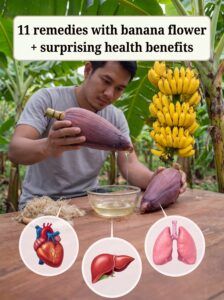
Also called banana blossom or banana heart, this teardrop-shaped flower has deep purple-red outer bracts and a tender interior. It is commonly used in Southeast Asian and South Asian cooking and provides fiber, minerals, plant compounds, and other nutrients.
Traditionally, banana flower has been used in a variety of preparations, from soups and salads to teas and cooked dishes. Modern interest has also focused on its fiber and antioxidant content.
So, what can banana flower actually offer?
Here are 11 potential banana flower benefits and traditional ways to use it.
1. May Support Menstrual Wellness
Banana flower is a source of fiber, minerals, and plant compounds, making it a nutritious addition to a balanced diet during menstruation.
In traditional food practices, cooked banana blossom is sometimes included in meals during the menstrual period. Its iron content may also contribute to overall dietary iron intake, which is particularly important for people who lose blood during menstruation.
However, banana flower should not be considered a treatment for heavy menstrual bleeding or severe menstrual pain.
Traditional way to use it
Try adding cooked banana blossom to:
- Vegetable soups
- Stir-fries
- Salads
- Lentil dishes
- Coconut-based curries
2. May Support Breastfeeding Nutrition
Banana flower has traditionally been included in meals prepared for breastfeeding mothers in several Asian cultures.
Some people use banana flower soup as a traditional food believed to support milk production. While this practice has a long culinary history, scientific evidence showing that banana flower itself significantly increases breast milk production remains limited.
Still, incorporating nutrient-rich vegetables into a breastfeeding diet can contribute to overall nutrition.
Simple banana flower soup
Cook cleaned banana blossom with vegetables, protein, and a light broth for a nourishing meal.
If milk supply is a concern, hydration, frequent breastfeeding or pumping, adequate calories, and professional lactation support are generally more important than relying on a single food.
3. May Help Support Healthy Blood Sugar Levels
One of the most interesting nutritional features of banana flower is its fiber content.
Dietary fiber can slow digestion and the absorption of carbohydrates, which may help support more stable blood sugar levels as part of a balanced eating pattern.
Some early research on banana flower and glucose metabolism is promising, but it is not strong enough to consider banana blossom a treatment for diabetes.
How to include it
Use cooked banana flower as a high-fiber vegetable alongside:
- Beans
- Lentils
- Leafy greens
- Eggs
- Fish
- Whole grains
People with diabetes should continue following their prescribed treatment and monitoring plan.
4. Supports Digestion and Gut Health
If you are looking for more ways to increase dietary fiber, banana flower can be an interesting option.
Fiber supports regular bowel movements and helps add bulk to stool. Certain types of dietary fiber can also be utilized by beneficial microorganisms in the gut.
Eating banana flower as part of a diet rich in vegetables, fruits, legumes, and whole grains may therefore contribute to overall digestive health.
Try this
Add finely sliced banana blossom to a salad with:
- Cucumber
- Carrots
- Fresh herbs
- Lime juice
- Nuts or seeds
Its slightly bitter flavor can add an interesting contrast to fresh ingredients.
5. Provides Antioxidant Compounds
Banana flowers contain various plant compounds with antioxidant activity.
Antioxidants help protect cells from oxidative stress caused by reactive molecules known as free radicals. A diet rich in plant foods can provide a wide variety of these beneficial compounds.
Rather than thinking of banana flower as a single “detox” food, it is more useful to include it as part of an overall diet containing many different colorful vegetables and fruits.
6. May Contribute to a Healthy Nervous System
Banana blossom provides several nutrients and minerals, although the exact nutritional content can vary depending on the variety and preparation method.
Minerals such as magnesium play important roles in normal nerve and muscle function.
However, eating banana flower should not be viewed as a treatment for anxiety, chronic stress, or insomnia.
A relaxing evening meal
For a simple nighttime meal, try cooked banana flower with:
- Brown rice
- Steamed vegetables
- Tofu or fish
- A small amount of healthy fat
A balanced evening meal and consistent sleep routine are more reliable foundations for healthy sleep.
7. Supports Heart-Friendly Eating
Banana flower can fit naturally into a heart-conscious diet because it is a vegetable that provides fiber and various micronutrients.
Potassium is another nutrient involved in maintaining normal blood pressure, while dietary fiber can contribute to healthy cholesterol levels when consumed as part of an overall healthy diet.
Instead of focusing on one food, consider building meals around:
- Vegetables
- Fruits
- Beans
- Whole grains
- Fish
- Nuts and seeds
These dietary patterns have much stronger evidence for cardiovascular health than any individual plant food.
8. May Help With Healthy Weight Management
Banana flower is relatively low in calories while providing dietary fiber, making it a useful ingredient for people trying to build satisfying meals.
Fiber can contribute to feelings of fullness, which may make it easier to maintain an appropriate calorie intake.
A simple weight-friendly meal
Combine cooked banana blossom with:
- Lean protein
- Plenty of vegetables
- A small portion of whole grains
- Herbs and spices
The goal is not to use banana flower as a “fat burner,” but to use it as a nutritious vegetable that can make meals more filling.
9. Traditionally Used for Skin and Wound Care
Traditional healing systems have used different parts of the banana plant for various purposes, including topical preparations.
Laboratory research has also investigated compounds from banana flowers for potential antioxidant and antimicrobial properties.
However, laboratory findings do not automatically mean that applying banana flower to a wound will speed healing in humans.
Important safety note
Do not replace proper wound care with homemade banana flower preparations.
For cuts, burns, infected wounds, deep injuries, or wounds that are not healing normally, use appropriate medical care.
10. May Support Overall Kidney-Friendly Nutrition
Banana flower contains water, fiber, and various minerals, and it can be part of a varied diet that supports overall health.
However, claims that banana flower “cleanses the kidneys,” removes toxins, or prevents kidney stones are not well established in human clinical research.
Your kidneys already perform the body’s major blood-filtering functions.
What actually supports kidney health?
Helpful habits generally include:
- Staying adequately hydrated
- Managing blood pressure
- Managing blood sugar
- Limiting excessive sodium
- Avoiding unnecessary use of certain medications
- Maintaining a healthy body weight
If you have kidney disease, ask your healthcare professional before significantly increasing high-potassium or high-mineral foods.
11. May Support Healthy-Looking Skin and Hair
The antioxidants and nutrients found in plant foods can contribute to an overall healthy diet, which is important for skin and hair.
Banana flower contains various plant compounds that have attracted scientific interest for their antioxidant activity.
But there is currently not enough evidence to say that eating banana blossom will eliminate wrinkles, stop hair loss, or cure dandruff.
For healthier skin and hair, the bigger picture matters: adequate protein, essential fats, vitamins, minerals, hydration, sleep, and sun protection all play important roles.
How to Prepare and Eat Banana Flower
Banana flower can be prepared in several different ways.
1. Banana Flower Salad
Thinly slice the tender inner portion and combine it with herbs, vegetables, lime juice, and a protein source.
2. Banana Flower Soup
Cook banana blossom with vegetables, beans, chicken, fish, or tofu in a light broth.
3. Stir-Fried Banana Blossom
Slice the flower thinly and cook it with garlic, ginger, onions, and other vegetables.
4. Coconut Banana Flower Curry
Banana blossom pairs particularly well with coconut milk, turmeric, chili, garlic, and aromatic herbs.
5. Banana Flower Tea
Some traditional preparations use banana flower in herbal infusions. Evidence for specific medicinal effects of banana flower tea is limited, so it is best viewed as a traditional beverage rather than a medical treatment.
How to Clean Banana Flower Before Cooking
Fresh banana blossom can contain sap that may cause browning and a slightly bitter taste.
A common preparation method is:
- Remove the tough outer purple bracts.
- Separate the tender inner florets.
- Remove any tough or inedible parts.
- Slice the edible portion thinly.
- Soak the sliced flower briefly in water with lemon or lime juice to reduce browning.
- Rinse and cook according to your recipe.
The exact preparation method varies depending on the variety and recipe.
What Does Banana Flower Taste Like?
Banana flower has a mildly bitter, earthy, and slightly astringent flavor.
When cooked, the bitterness becomes gentler and the texture can resemble tender artichoke hearts or other fibrous vegetables.
It works particularly well with bold flavors such as:
- Garlic
- Ginger
- Chili
- Lime
- Coconut milk
- Turmeric
- Lemongrass
- Fresh herbs
Banana Flower Nutrition: Why Is It Interesting?
The nutritional profile can vary depending on the banana variety and preparation method, but banana blossom is generally valued as a vegetable source of:
- Dietary fiber
- Various minerals
- Plant compounds
- Antioxidants
- Small amounts of protein
- Other micronutrients
Its greatest advantage may simply be that it provides another nutrient-rich plant food that can add variety to the diet.
Are There Any Side Effects or Precautions?
For most people, banana flower eaten as food is generally considered a reasonable part of a varied diet.
However, keep these points in mind:
Start with a small amount
If you are not accustomed to high-fiber foods, eating a large serving may cause temporary bloating or digestive discomfort.
Be careful with supplements or concentrated extracts
Food and concentrated herbal extracts are not the same thing. Supplements may have different doses and safety considerations.
Pregnancy and breastfeeding
Banana flower used as a normal food ingredient is different from taking concentrated medicinal preparations. During pregnancy or breastfeeding, discuss herbal extracts or medicinal doses with a qualified healthcare professional.
Kidney disease
People with kidney problems may need to monitor certain minerals, including potassium. Ask your healthcare professional whether banana flower fits your individual diet.
Final Thoughts
Banana flower may not receive as much attention as the familiar yellow banana, but this unusual part of the banana plant deserves a place in the kitchen.
Its fiber, minerals, and plant compounds make it an interesting addition to a balanced diet, while its versatility allows it to be used in salads, soups, curries, stir-fries, and other dishes.
From supporting digestive health and adding fiber to helping create more satisfying meals, banana blossom offers several potential nutritional advantages.
However, it is important to separate traditional uses and promising laboratory findings from proven medical treatments. Banana flower should be viewed as a nutritious food—not a cure for diabetes, kidney disease, anxiety, menstrual disorders, or other medical conditions.
Sometimes, the most overlooked foods can simply make our everyday diet a little more varied, nutritious, and enjoyable.


