
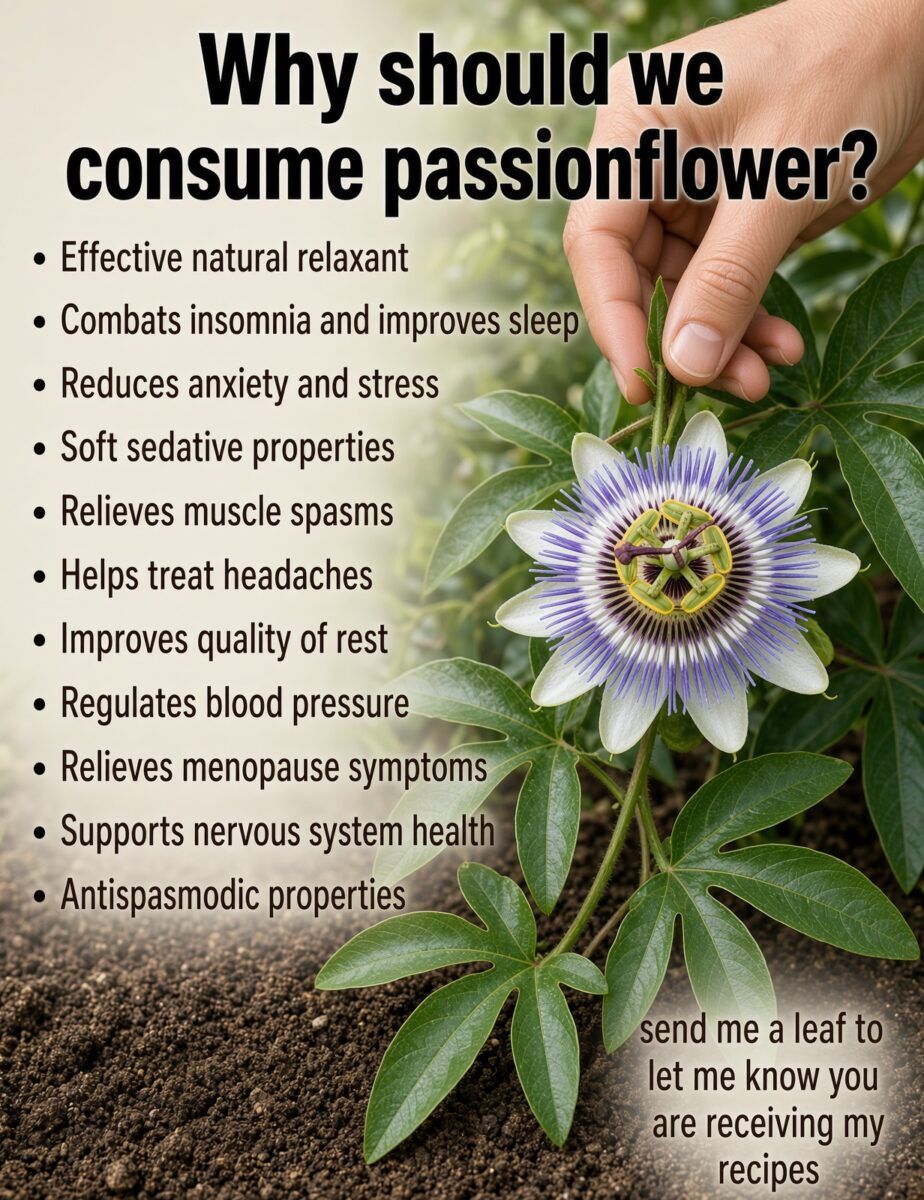
Many people are interested in passionflower tea and other passionflower preparations as part of a natural approach to relaxation, occasional stress, and better sleep. But what does the research actually suggest, and how can passionflower be used responsibly?
In this article, we explore the potential benefits of passionflower, its traditional uses, and important precautions to keep in mind.
What Is Passionflower?
Passionflower, commonly known as Passiflora incarnata, is a flowering plant native to parts of the southeastern United States and other regions of the Americas.
The plant has a long history of traditional use, particularly in herbal preparations intended to promote calmness and relaxation. Passionflower is commonly prepared as a tea, liquid extract, or dietary supplement.
One reason passionflower has attracted scientific interest is its possible influence on certain chemical messengers involved in the nervous system, including gamma-aminobutyric acid (GABA). GABA is associated with calming activity in the brain.
However, more research is needed to fully understand how passionflower works and how effective it may be for different conditions.
1. May Promote Natural Relaxation
One of the most common traditional uses of passionflower is to encourage relaxation.
Modern lifestyles can expose people to work pressure, poor sleep schedules, and everyday stress. Some people therefore choose calming herbal teas as part of their evening routine.
Passionflower may have mild relaxing properties that could help create a more peaceful feeling, especially when combined with other healthy habits such as reducing screen time and practicing slow breathing.
Rather than thinking of passionflower as a treatment for stress, it is more appropriate to view it as one possible part of a relaxing wellness routine.
2. May Support Better Sleep
Sleep is another reason passionflower is frequently used in traditional herbal preparations.
Some preliminary research suggests that passionflower may have calming effects that could support sleep quality in certain people. Drinking a caffeine-free herbal tea before bedtime may also become a relaxing nighttime ritual.
A good sleep routine should still remain the foundation of healthy sleep.
Try maintaining a consistent bedtime, keeping the bedroom comfortable and dark, avoiding excessive caffeine late in the day, and limiting stimulating activities before bed.
Passionflower should not be considered a substitute for medical evaluation when persistent insomnia is affecting daily life.
3. May Help With Occasional Feelings of Anxiety
Passionflower has also been studied for its possible effects on occasional anxiety and nervousness.
Because the plant may influence GABA-related activity, researchers have investigated whether it could have calming effects.
Some studies have reported potentially beneficial effects, but the available evidence is still limited and varies depending on the preparation and circumstances.
If anxiety is frequent, severe, or interfering with everyday activities, it is important to speak with a qualified healthcare professional rather than relying solely on herbal products.
4. Contains Traditionally Used Calming Compounds
Passionflower contains several naturally occurring plant compounds, including flavonoids and other phytochemicals.
These compounds are one reason passionflower has attracted interest in herbal medicine and nutrition research.
The exact effects can depend on the plant variety, preparation method, dosage, and individual characteristics. Therefore, drinking passionflower tea and taking a concentrated supplement should not automatically be considered equivalent.
5. May Support a Relaxing Evening Routine
Sometimes the benefit of an herbal drink comes not only from the plant itself but also from the routine surrounding it.
Preparing a warm cup of caffeine-free passionflower tea can encourage you to slow down at the end of the day.
Pairing the tea with relaxing activities such as reading, gentle stretching, meditation, or deep breathing may create a calming bedtime environment.
Healthy routines often work best when they are simple enough to maintain consistently.
6. May Help Relax Tense Muscles
Passionflower has traditionally been associated with relaxing effects, which has led to interest in its possible role in reducing feelings of physical tension.
Stress can sometimes be accompanied by muscle tightness, particularly around the neck, shoulders, and back.
However, evidence specifically supporting passionflower for muscle spasms or muscle pain is limited. Persistent or unexplained muscle problems should be evaluated by a healthcare professional.
7. Traditionally Associated With Headache Relief
Traditional herbal practices have sometimes included passionflower among plants used for relaxation and discomfort associated with tension.
Because stress and muscle tension can contribute to certain types of headaches, relaxation may be helpful for some people.
Nevertheless, passionflower should not be considered a proven treatment for headaches. Sudden, severe, unusual, or recurring headaches require appropriate medical attention.
8. May Support Overall Rest and Recovery
Quality rest is an important part of maintaining overall well-being.
When people sleep poorly or experience prolonged stress, they may feel tired and less focused during the day.
A calming evening routine that includes a caffeine-free herbal beverage such as passionflower tea may help some people transition into a quieter nighttime routine.
The biggest benefits for sleep and recovery usually come from a combination of habits rather than one particular herb.
9. Potential Role in Blood Pressure Management
The image suggests that passionflower may help regulate blood pressure. However, this claim requires caution.
Some research has explored the relationship between passionflower and cardiovascular or nervous-system effects, but passionflower should not be considered a replacement for prescribed blood pressure medication.
If you have high or low blood pressure, take blood-pressure medication, or experience symptoms such as dizziness or fainting, talk with your healthcare provider before using passionflower supplements.
Never stop prescribed medication because of information about an herbal remedy.
10. May Be Used Traditionally During Menopause
Changes in sleep, stress levels, and relaxation can be particularly noticeable during menopause.
Because passionflower is traditionally associated with calming effects, some people may consider it as part of a broader wellness routine during this stage of life.
However, passionflower has not been established as a treatment for menopause itself. Menopause symptoms such as persistent insomnia, severe mood changes, unusual bleeding, or significant hot flashes should be discussed with a healthcare professional.
11. Supports a Calm Nervous System Routine
The nervous system plays a central role in sleep, stress responses, relaxation, and everyday functioning.
Passionflower is traditionally used as a calming herb, and its possible interaction with GABA-related pathways is one reason researchers continue to study it.
Still, more high-quality research is needed to determine exactly how useful passionflower is for different nervous-system-related concerns.
Think of passionflower as a possible wellness aid—not a cure for neurological or psychological disorders.
How Can Passionflower Be Used?
Passionflower is available in several forms, including:
Herbal tea
Dried passionflower
Liquid extracts
Capsules
Other dietary supplements
For a simple evening routine, some people choose caffeine-free passionflower tea.
If using a commercial supplement, follow the manufacturer’s directions and avoid exceeding the recommended serving.
Concentrated extracts and supplements can have stronger effects than a mild herbal tea, so they deserve additional caution.
Passionflower Tea as an Evening Drink
A simple passionflower tea can be incorporated into a relaxing nighttime routine.
Basic preparation
Use a commercially prepared passionflower tea or an appropriate amount of dried passionflower intended for tea.
Add hot water according to the product’s preparation instructions.
Allow it to steep for the recommended time.
Let the tea cool to a comfortable temperature.
Enjoy it as part of a calm evening routine.
Avoid assuming that stronger tea is necessarily better. Herbal products can have active compounds, and excessive consumption may increase the risk of unwanted effects.
Important Safety Considerations
Natural does not automatically mean risk-free.
Passionflower may cause drowsiness, dizziness, or other side effects in some people. It may also interact with medications or other substances that have sedative effects.
People who are pregnant or breastfeeding should consult a healthcare professional before using passionflower products.
You should also seek professional advice if you:
Take sleeping medications or sedatives
Take medications for anxiety or depression
Take blood-pressure medication
Have a medical condition that affects the nervous system
Are preparing for surgery
Experience significant or persistent sleep problems
Because supplements vary in concentration and quality, choosing products from reputable manufacturers is also important.
Passionflower and a Healthy Lifestyle
No single herb can replace the fundamentals of good health.
If your goal is better sleep and relaxation, consider combining healthy habits such as:
Keeping a consistent sleep schedule
Getting regular physical activity
Limiting caffeine late in the day
Reducing alcohol consumption
Spending less time on screens before bed
Practicing slow breathing
Maintaining a balanced diet
Creating a comfortable sleeping environment
These habits can work together to support overall physical and mental well-being.
Final Thoughts
Passionflower has a long history of traditional use as a calming herb. Modern research has explored its possible effects on relaxation, anxiety, and sleep, although the evidence is not strong enough to consider it a treatment or cure for medical conditions.
For some adults, passionflower tea may be an enjoyable caffeine-free addition to a relaxing evening routine. The key is to use it responsibly and understand that herbal products can interact with medications and may not be appropriate for everyone.
If you have persistent insomnia, significant anxiety, unusual headaches, blood-pressure problems, or other ongoing symptoms, it is better to identify the underlying cause with help from a qualified healthcare professional.
Disclaimer: This article is for general educational and wellness information only. Passionflower is not intended to diagnose, treat, cure, or prevent any disease. Always consult a qualified healthcare professional before using herbal supplements, especially if you are pregnant, breastfeeding, taking medication, or have an existing medical condition.


