
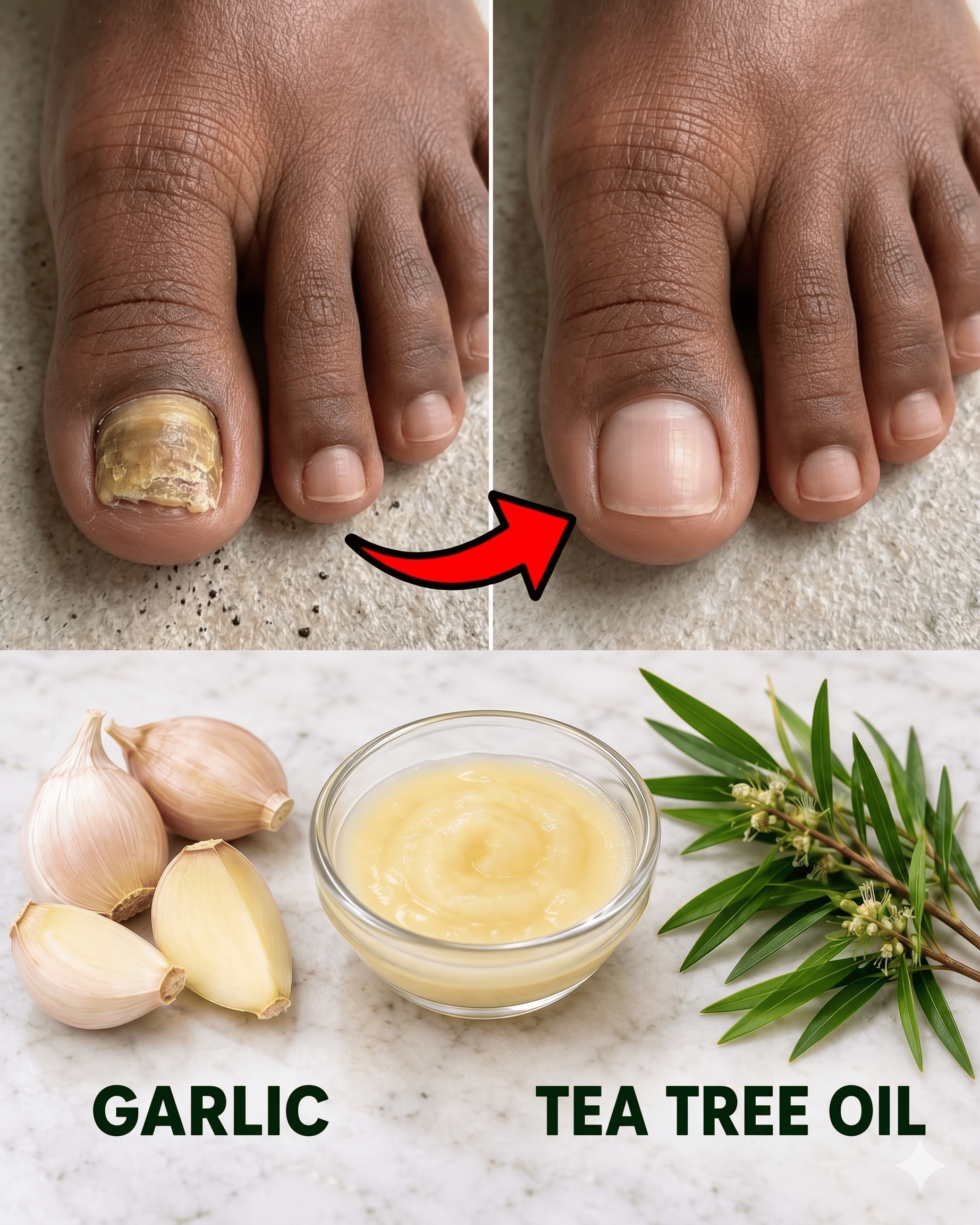
Although nail fungus is common, it often requires patience and consistent care. Many people explore natural ingredients such as garlic and tea tree oil as part of their nail-care routine. However, it is important to understand what these ingredients can realistically do, how to use them safely, and when professional treatment may be necessary.
In this guide, you will learn about the common signs of fungal nail infections, a cautious approach to natural nail care, and simple daily habits that can help protect your toenails.
What Is Nail Fungus?
Nail fungus, medically known as onychomycosis, is an infection caused by fungi that affect the fingernails or toenails. Toenails are particularly vulnerable because shoes can create a warm, dark, and moist environment where fungi thrive.
The infection may develop slowly, and early symptoms can be easy to overlook. Over time, the affected nail may become thicker, discolored, rough, or crumbly.
Common signs of nail fungus include:
Yellow, white, or brown discoloration.
Thickened or distorted nails.
Brittle edges that break or crumble easily.
Debris collecting beneath the nail.
Separation of the nail from the underlying skin.
Changes in the nail’s normal shape or texture.
Not every discolored or thickened nail is caused by fungus. Repeated pressure from shoes, nail injuries, psoriasis, and other conditions can produce similar changes. A healthcare professional can help confirm the cause before you begin treatment.
Can Garlic Help With Nail Fungus?
Garlic is widely used in traditional home remedies because it contains sulfur-containing compounds, including allicin. Laboratory research has explored the antimicrobial properties of some garlic compounds, including their activity against certain microorganisms.
However, laboratory findings do not establish that raw garlic can safely or reliably eliminate a fungal infection inside a toenail.
The nail plate is a significant barrier, and an infection beneath or within a thickened nail can be difficult to reach with topical ingredients. Applying crushed garlic directly to the skin may also cause irritation, blistering, or chemical burns, especially when it is left in place for an extended period or covered with a bandage.
For these reasons, applying raw garlic directly to an infected nail is not a recommended treatment for nail fungus.
If you enjoy using garlic in your cooking, it can remain part of a balanced diet. It should not replace a proven antifungal treatment when an infection is present.
What About Tea Tree Oil?
Tea tree oil is an essential oil obtained from the leaves of the Australian tea tree. It is commonly included in cosmetic products, foot-care preparations, and traditional remedies.
Some laboratory studies suggest that tea tree oil has antifungal activity. Nevertheless, evidence supporting its effectiveness against nail fungus in people remains limited. It should not be considered a proven substitute for medical antifungal medication.
Tea tree oil also requires caution. The concentrated oil can irritate the skin or cause allergic contact dermatitis. It should never be swallowed, and it should not be applied undiluted to damaged skin.
If you choose to use a commercially prepared tea tree oil foot-care product, follow its label carefully. Avoid applying it to open wounds, inflamed skin, or areas surrounding a severely damaged nail. Stop using it if redness, itching, burning, swelling, or a rash develops.
People with diabetes, poor circulation, reduced sensation in their feet, or a weakened immune system should seek professional advice before experimenting with essential oils or home remedies.
A Garlic and Tea Tree Oil Nail-Care Approach: What Is Safe to Try?
Many online remedies recommend combining crushed garlic, tea tree oil, and a carrier oil to treat stubborn nail fungus. Unfortunately, there is no well-established homemade recipe using these ingredients that has been shown to cure fungal nail infections.
Rather than preparing a concentrated mixture and applying it to damaged toenails, consider the following safer approach to nail care.
Step 1: Clean Your Feet Gently
Wash your feet daily with mild soap and lukewarm water. Pay attention to the spaces between your toes, where moisture can accumulate.
Rinse thoroughly and dry your feet with a clean towel. Make sure the skin between the toes is completely dry before putting on socks.
Avoid soaking your feet for long periods, particularly if the surrounding skin is cracked or irritated.
Step 2: Keep Your Toenails Trimmed
Use clean nail clippers to trim your toenails straight across. Avoid cutting them too short or digging into the corners, as this can injure the surrounding skin.
If a nail has become very thick, painful, or difficult to trim, a podiatrist or other qualified healthcare professional can help manage it safely.
Do not aggressively scrape beneath the nail or attempt to remove an entire damaged nail yourself.
Step 3: Be Careful With Tea Tree Oil Products
If you want to include tea tree oil in your foot-care routine, choose a reputable, properly labeled product intended for topical use.
Follow the manufacturer’s instructions and avoid mixing concentrated essential oils at home. Adding garlic does not establish that the combination will work better, and raw garlic can cause skin injury.
Remember that cosmetic foot-care products are not necessarily approved or proven treatments for nail fungus.
Step 4: Use Garlic as Food, Not as a Nail Treatment
Garlic can add flavor to meals and contribute to a varied, balanced diet. There is no convincing clinical evidence that eating garlic clears an existing toenail fungal infection.
Likewise, rubbing crushed garlic onto a nail does not guarantee that its active compounds will reach the fungus.
For a persistent infection, choosing a treatment supported by clinical evidence is more reliable than depending on a homemade mixture.
Step 5: Give Your Nails Time and Proper Care
Toenails grow slowly. Even when effective treatment controls a fungal infection, it can take many months for a healthy nail to grow out and replace the damaged portion.
Take photographs periodically if you want to monitor changes in color, thickness, and growth. If the nail continues to deteriorate, becomes painful, or shows signs of inflammation, arrange a medical evaluation.
Seven Daily Habits That Help Protect Your Toenails
Consistent hygiene is an important part of managing nail fungus and reducing the risk of reinfection.
1. Keep your feet dry. Change out of wet socks promptly and dry your feet thoroughly after bathing or exercise.
2. Choose breathable footwear. Shoes that fit properly and allow ventilation can reduce excessive moisture and pressure around your toes.
3. Change your socks regularly. Replace damp socks as soon as possible, particularly after physical activity.
4. Wear protective footwear in shared wet areas. Sandals or shower shoes can help reduce exposure to fungi in communal showers, swimming-pool changing rooms, and locker rooms.
5. Disinfect or clean nail tools appropriately. Do not share nail clippers, files, or pedicure equipment. Clean tools according to their manufacturer’s instructions.
6. Avoid picking at damaged nails. Pulling, scraping, or cutting the nail too aggressively can injure the nail bed and surrounding skin.
7. Treat athlete’s foot promptly. Fungal skin infections can spread to the toenails. If you have itchy, peeling skin between your toes, ask a pharmacist or healthcare professional about appropriate antifungal treatment.
These habits cannot guarantee that nail fungus will disappear, but they can support foot hygiene and help lower the risk of further fungal exposure.
Why Is Toenail Fungus So Difficult to Treat?
Several factors can make a fungal nail infection persistent.
First, the nail plate is hard and relatively impermeable. Topical products may not penetrate deeply enough to reach the infection.
Second, toenails grow slowly. Even after the fungus is controlled, the damaged portion remains visible until it grows out.
Third, untreated athlete’s foot, contaminated nail tools, damp footwear, and repeated exposure to fungi may contribute to recurrence.
Finally, not every treatment works equally well for every person. The best option depends on the severity of the infection, the number of nails affected, other medical conditions, and the specific organism involved.
This is why repeatedly trying different homemade remedies may delay effective treatment.
Medical Treatments That May Work Better
If you suspect nail fungus, a healthcare professional may examine the nail and collect a small sample for laboratory testing. Testing can help distinguish a fungal infection from other conditions that cause similar nail changes.
Depending on the diagnosis, treatment may include:
Topical antifungal medication: Prescription nail solutions or lacquers may be appropriate for selected mild or moderate infections. Treatment often takes many months, and success varies.
Oral antifungal medication: Prescription medicines such as terbinafine may be more effective for certain toenail infections. They are not suitable for everyone and can have side effects or medication interactions. A clinician may recommend liver assessment and other monitoring when appropriate.
Professional nail care: Carefully thinning or trimming a thickened nail may improve comfort and sometimes support treatment. Nail removal is reserved for selected cases rather than being necessary for every infection.
No treatment works instantly. Even with appropriate medication, a toenail may require 12–18 months to grow out fully, depending on the individual and the extent of the damage.
Do not take prescription antifungal medication without medical guidance.
When Should You See a Doctor?
Do not rely on home remedies alone if you notice any of the following:
Increasing pain, swelling, warmth, or redness around the nail.
Pus, drainage, or an unpleasant odor accompanied by inflammation.
Rapidly worsening nail damage.
A dark streak or unusual pigment that does not grow out with the nail.
Difficulty walking because of nail discomfort.
Seek prompt medical advice if you have diabetes, poor circulation, reduced foot sensation, or a weakened immune system and notice changes in your toenails or surrounding skin.
Early evaluation can help identify the underlying problem and reduce the risk of complications.
Frequently Asked Questions
Can garlic and tea tree oil cure nail fungus?
There is insufficient clinical evidence to show that a homemade combination of garlic and tea tree oil cures nail fungus. Both ingredients have limitations, and garlic can burn the skin while tea tree oil can cause irritation or allergic reactions.
How long does it take to get rid of toenail fungus?
Treatment duration depends on the severity of the infection and the method used. Many topical treatments require months of consistent use. Oral medication may shorten the treatment course for some people, but complete nail recovery still takes time because toenails grow slowly.
Can I put garlic directly on my toenail?
It is best to avoid this practice. Raw garlic can cause significant skin irritation and chemical burns, especially when crushed, covered, or left against the skin for a prolonged period.
Is tea tree oil safe for damaged toenails?
Concentrated tea tree oil can irritate damaged skin. If you choose a tea tree oil product for cosmetic foot care, use it only as directed, avoid open or inflamed skin, and discontinue it if a reaction occurs. It should not replace evidence-based treatment.
Can nail fungus go away without treatment?
Some mild nail changes may improve if the underlying cause is not fungal. However, an established fungal nail infection often persists or progresses without effective treatment. A correct diagnosis helps determine the best course of action.
Final Thoughts: Healthy Nails Start With Consistent Care
Stubborn nail fungus deserves attention, patience, and the right approach. Garlic and tea tree oil are often discussed in natural nail-care remedies, but neither has been established as a reliable cure for fungal toenail infections.
The most useful steps are to keep your feet clean and dry, trim your nails carefully, avoid sharing nail tools, choose appropriate footwear, and seek medical advice when discoloration or thickening persists.
Natural ingredients may sound appealing, but they should never come at the expense of skin safety or effective treatment. If your toenails remain discolored, brittle, or thickened, getting the correct diagnosis is the best first step toward healthier-looking nails.
Health disclaimer: This article is for general educational purposes only and is not a substitute for professional medical advice, diagnosis, or treatment. Consult a qualified healthcare professional before using remedies on damaged nails or starting antifungal medication.


