
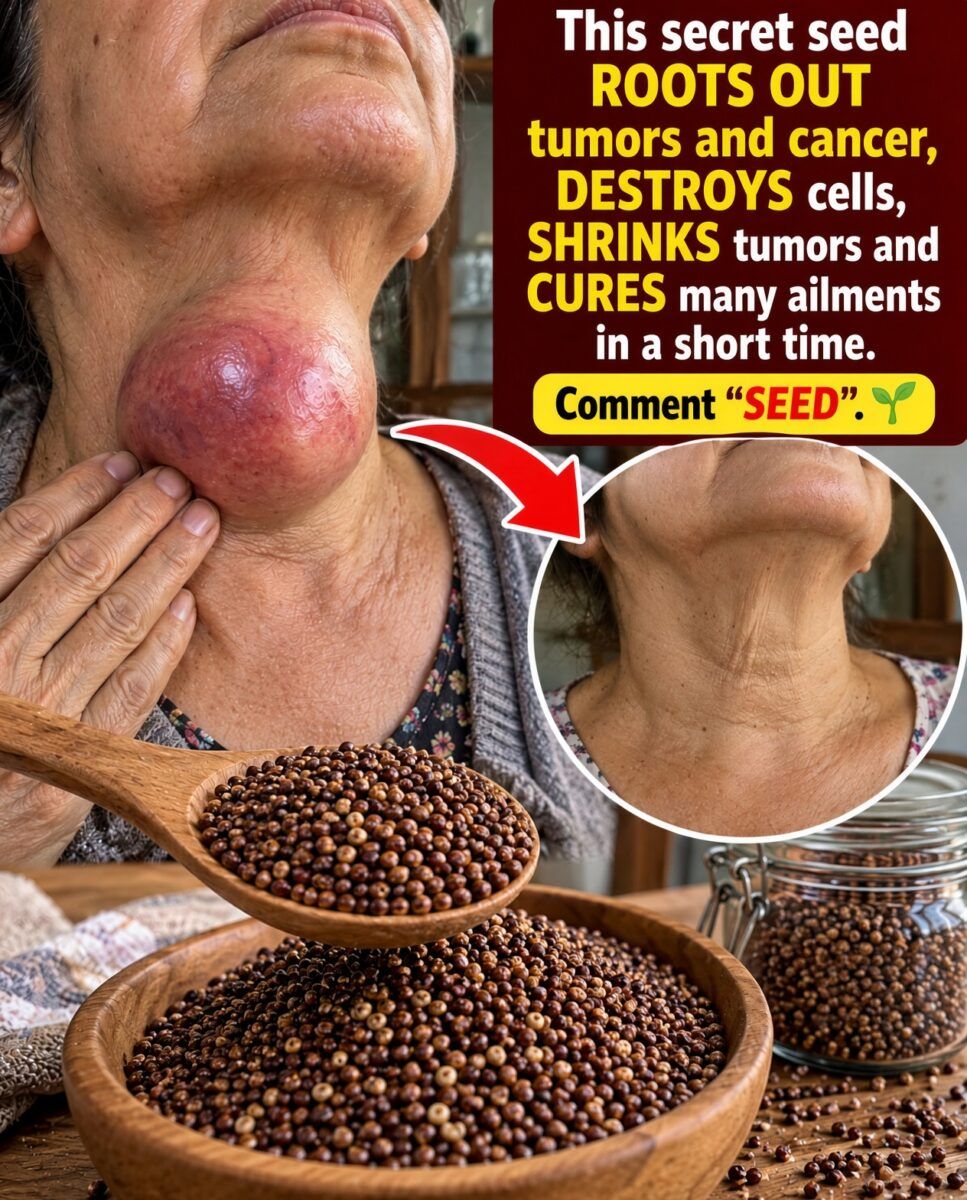
Some ads don’t just sell a product: they sell fear. They show you a shocking image, promise a quick fix, and ask you to type a magic word as if that were a real treatment. The problem is that when a person is worried about their health, it’s easier to fall into that trap. And the most frustrating part is that behind that “secret” there’s almost always a business, not a medical answer.
Why this kind of ad hooks so hard
The strategy is simple but very effective. First they show you a scary image: a lump, a spot, inflammation or an exaggerated “before and after.” Then they add a mysterious phrase, as if there were a hidden solution for a select few. And finally they ask you to comment a word, usually in capitals, to open the door to another message. That’s not health education — it’s emotional marketing. Fear makes many people stop thinking calmly, and medical science doesn’t work that way: a food or a seed cannot diagnose, cure or replace a professional evaluation.
What they usually hide when they talk about a “secret seed”
Here’s the most important detail: often they don’t even say which seed it is. And that’s no accident — if they named it from the start, you could recognize it, compare it, look for it at the market and discover there’s no mystery. In many cases the image may look like mustard, chia, flax, sesame or a similar grain. But the trick isn’t in the seed — it’s in how they present it.
What some seeds can actually contribute: chia (fiber and satiety — doesn’t “cleanse” the body in a day); flaxseed (fiber and healthy plant fat — doesn’t replace medical treatment); sesame (plant fat and minerals — doesn’t “uproot” a disease); mustard (flavor and plant compounds — doesn’t destroy cells like a drug); pumpkin seeds (plant protein and minerals — don’t replace tests or diagnoses). Nutritional science is consistent: the overall eating pattern matters more than a single ingredient.
Why a lab result isn’t a real cure
Many ads lean on phrases like “studies show.” Yes, there may be studies — but not all studies mean the same thing. A finding in a lab, in cells or in animals is only the beginning. To say something really works in people, you need clinical trials, safe doses, follow-up and comparison with real treatments. A preliminary experiment doesn’t equal a human solution — and when someone uses that confusion to sell, they’re exploiting people’s hope. Some “miraculous” seeds or extracts can even be dangerous if consumed without control.
Clear signs you’re facing a scam
Patterns repeat again and again: they ask you to comment a word like SEED, NATURAL or WANT; they show a too-perfect “before and after”; they don’t explain the product’s exact name; no dose, ingredients or health registration; they promise changes in hours or days; they claim “doctors don’t want you to know this”; they lead you to a link, WhatsApp or purchase form. One or two signs already deserve distrust — several at once means walk away.
What you can actually do today without falling for it
Start with this simple sequence: if you have a new symptom, note when it started; watch whether it grows, hurts, changes color or comes with fever, cough, night sweats or weight loss; seek medical care at a health center, clinic or hospital — not in social media comments; if you already have treatment, don’t stop it because of a video or ad; review any product before buying and distrust anything without clear registration. If you want to add seeds to your diet, do it as food, not as medicine: chia in oatmeal, ground flax in smoothies, sesame in sauces — that adds variety and nutrients, but doesn’t replace a consultation.
When to put the phone down and book a real appointment
A lump in the neck, persistent hoarseness, unexplained weight loss, unusual bleeding or inflammation that won’t go away deserve medical review. Many people wait for it to “go away on its own” because an ad made them believe a seed could fix it — but waiting weeks or months can complicate something that, treated in time, would have a better prognosis. Bring to the visit: when you first noticed the symptom, whether it has grown or changed, other symptoms, medications/teas/supplements you take, and screenshots of the ad.
The key that breaks the spell
This is the golden question before commenting or buying: if this seed were so powerful, why does the ad hide its name, ask for a keyword, and end up leading me to a sale? When a real solution exists, it doesn’t need mystery, pressure or emotional tricks. It needs evidence, clarity and professional follow-up. Health isn’t built with viral secrets — it’s built with timely care, sustainable habits and informed decisions.
Frequently asked questions
Can eating chia, flax or mustard cure a disease? No. They can be part of a healthy diet, but they don’t cure diseases or replace medical treatment.
Why do these ads ask you to comment a word like SEED? To boost engagement and then lead you to a private message, link or sale. It’s a marketing technique, not medical advice.
What if I already bought a product promising miraculous results? Stop using it if it replaces real medical care, keep the packaging, and consult a health professional. If you suspect fraud or harm, you can also report it to the relevant health authority.
This article is for informational and educational purposes only and is not medical advice. Please consult a qualified healthcare professional before making changes to your diet or health routine.


