
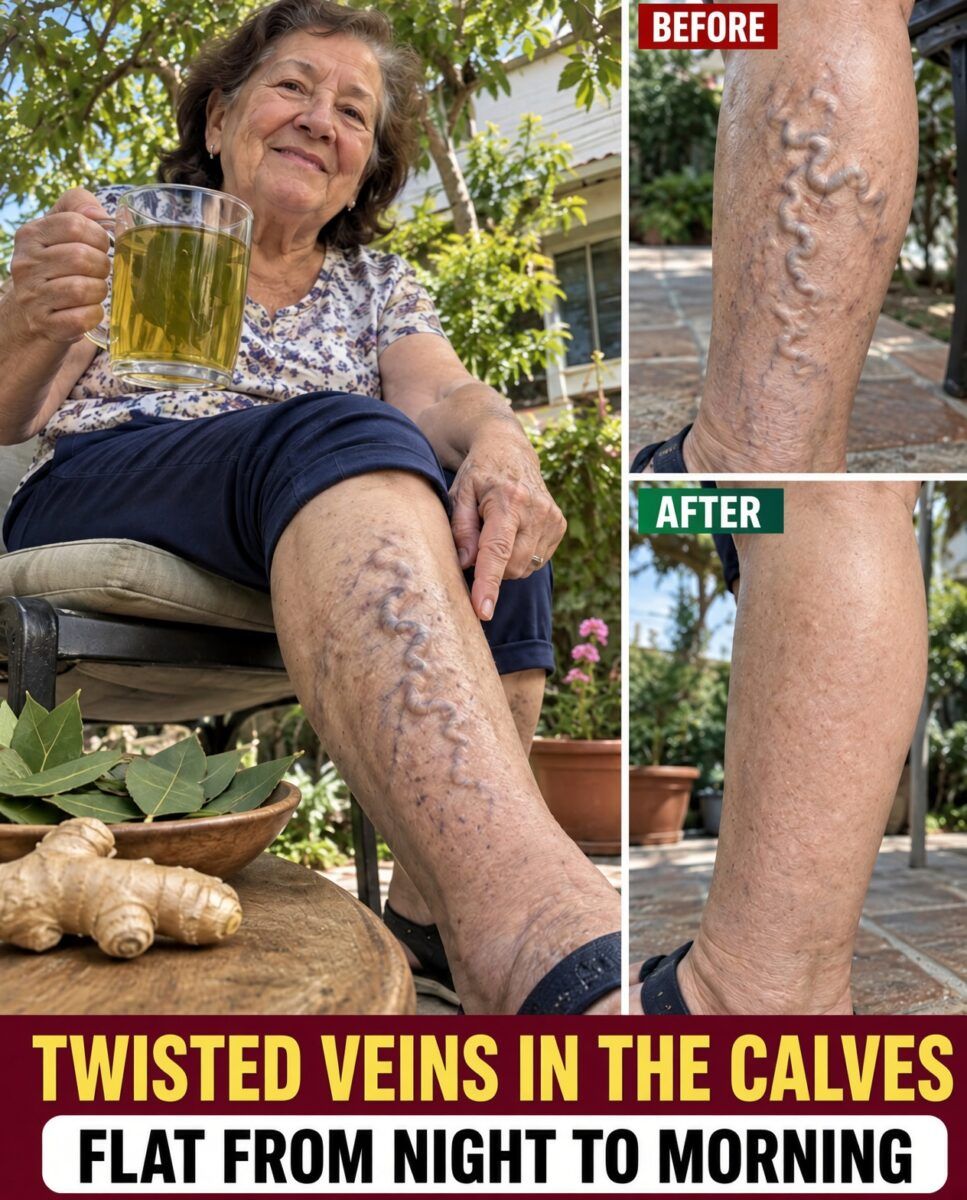
Waking up and noticing heavy legs, with marked veins and an uncomfortable sensation that ruins the day, is more common than it seems. Many people live it in silence, thinking it’s just “normal” with age — but that discomfort can affect confidence, rest, and even the way you walk. The worst part is that when you look for a quick answer online, exaggerated promises abound that confuse more than they help. The good news is there are simple habits and care that can improve how legs feel and look.
Why veins appear more visible in the calves
Veins are part of the system that returns blood to the heart. When that return becomes less efficient, blood can accumulate more than desired in the legs — especially after being seated or standing for a long time. That’s why some people notice more bulging veins, a feeling of heaviness, or tiredness at day’s end.
Yes, genetics plays a role. So do age, sedentary life, overweight, pregnancies and spending many hours standing. The reality is it’s not a problem of “lack of care” but a combination of factors that make circulation in the legs harder.
According to widely consulted medical sources like the Cleveland Clinic and Mayo Clinic, these changes usually worsen with prolonged pressure on the veins and with the loss of vessel elasticity over time.
What most people do wrong without realizing
Many people try to fix it only with creams or isolated remedies, expecting a quick change. But that’s usually not enough if the underlying problem is accumulated pressure in the legs. And here’s the important part: not everything that promises to “deflate” really improves circulation.
It’s also common to stay motionless for long periods, wear very tight clothing, or ignore the feeling of heaviness. All of that can make legs end up more tired at day’s end — but that doesn’t mean there’s no room for improvement.
Signs worth observing calmly
Before thinking about solutions, it’s worth paying attention to how your legs feel — not to alarm yourself, but to act with judgment.
Look for these frequent signs: heaviness or tiredness in the legs at day’s end; more noticeable or irregular-looking veins; discomfort after being seated or standing a long time; mild swelling in ankles or calves in the afternoon; itching or pulling sensation in the area’s skin.
If you also notice intense pain, important color changes, local heat or sudden swelling, the right thing is to consult a health professional. Don’t assume it’s all “just cosmetic.”
What actually helps legs feel and look better
Medical evidence agrees on something very useful: daily habits matter a lot. They’re not a magic solution, but they can make a real difference in how veins behave during the day.
These measures are usually the most useful: walk several minutes a day to activate circulation; elevate your legs a few minutes when resting; avoid being seated or standing for very long times without moving; drink enough water during the day; wear comfortable clothing that doesn’t squeeze the waist or legs too much; take short breaks to move ankles and calves. This seems simple — and that’s exactly why many underestimate it. But consistency usually weighs more than any isolated trick.
The 5-minute routine you can start today
This is the most practical part. You don’t need special equipment or a complicated routine — just consistency and a little attention to your body.
Step 1: sit or lie down and elevate your legs for 2–3 minutes — this helps blood return more comfortably after a long day. Step 2: make gentle ankle movements: toes up, toes down, for 30 seconds per side, twice. Step 3: walk inside the house or yard for 3–5 minutes — if you can’t go out, just moving several times a day is enough. Step 4: at the end of the day, rest with legs elevated above heart level if comfortable. Step 5: observe for a week whether heaviness decreases — the key isn’t doing it once, but repeating it daily. Small routines repeated every day usually give better results than trying to “fix it” all at once.
Habits that can worsen the feeling in your legs
There are very common customs that, unintentionally, make legs end up more loaded. Identifying them helps a lot, because you don’t always need huge changes.
Reduce or avoid: spending hours without moving; sitting with crossed legs for a long time; wearing uncomfortable shoes for too many hours; drinking very little water throughout the day; ignoring the tiredness in your calves. In observational studies on venous health, frequent mobility and resting with elevated legs associate with better control of heaviness and swelling.
When it’s worth requesting a review
If veins become increasingly visible, if discomfort increases, or if swelling appears frequently, it’s worth requesting an evaluation. A professional can check whether there’s venous insufficiency or another cause behind the symptoms.
It’s also worth consulting if one leg swells more than the other, if there’s strong pain, or if you notice sudden changes. Seeking guidance in time keeps a manageable problem from becoming more uncomfortable.
Quick summary
Marked veins in the calves usually relate to less efficient venous circulation, not a single cause. Daily habits like walking, elevating your legs and moving frequently can help a lot to reduce heaviness and improve overall appearance. And although the internet is full of quick promises, the most useful is usually the simplest and most consistent.
Frequently asked questions
Why are veins more noticeable in the calves? Because blood can accumulate more easily in the legs when you spend a lot of time standing or seated, or when veins lose some elasticity over time.
What can I do at home for relief? Walking daily, elevating your legs a few minutes, moving your ankles and avoiding staying motionless for long periods usually helps quite a bit.
When should I see a doctor? If there’s strong pain, sudden swelling, important color changes, or discomfort worsens over time, it’s better to request professional review.
This article is for informational and educational purposes only and is not medical advice. Please consult a qualified healthcare professional before making changes to your diet or health routine.


